
Last updated: September 10, 2026
Key Takeaways
- Does it work on Android 12, 13, 14, or 15?
- For many Android phones in 2026, a practical pick is one of the established file managers above, installed from a trusted source.
- “Best” changes with the job you need done.
- I wrote this for Android users who need a file manager now, not a software history lesson.
Table of Contents
- Which free file manager APK is the best fit for most Android users?
- What does a free APK file manager actually need to do?
- Best free APK file manager apps on Android
- What do free file manager APKs cost in real life?
- How Android 11, 12, 13, 14 and 15 change file manager behavior
- How do I choose a safe free APK file manager?
- What should I expect on a same-day fix, and when is a file manager enough?
- Free APK file managers near me: what should I ask before installing one?
- FAQ: Best Free APKs for File Manager Apps on Android
The best free APKs for file manager apps on Android are the ones that help you find files fast, move them without confusion, and avoid filling your phone with ads, trackers, or fake “cleaner” extras. Want one app that handles downloads, USB storage, cloud folders, and APK files without making the phone feel sluggish? That is the real test. For free APKs file manager apps on Android, the answer is usually a trusted, well-maintained app that matches your storage habits and Android version.
I wrote this for Android users who need a file manager now, not a software history lesson. The hard part is not finding a file browser. Picking one is. You need something that fits real habits: moving photos off a Samsung phone, digging through Downloads on a Pixel, opening an SD card on a Motorola, or pulling APKs from a local backup without breaking anything. Android’s storage rules have shifted over time, so the same app can feel very different on Android 11, 12, 13, 14, and 15. Android storage updates and app file access limits are part of that reality.
Which free file manager APK is the best fit for most Android users?
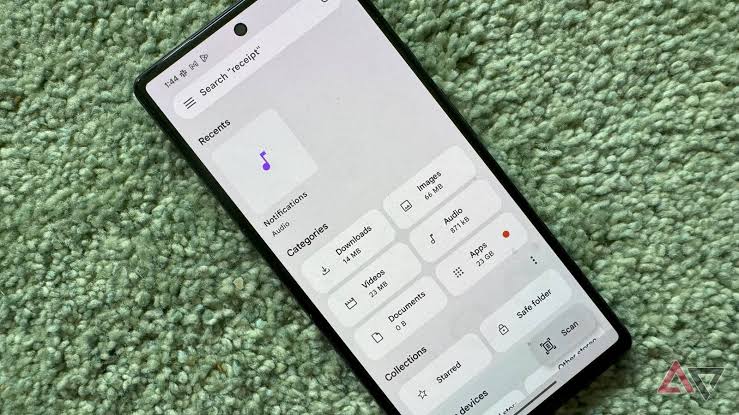
For many people, the best fit is plain and practical: local storage, SD card access, downloads, basic archives, and a folder view that does not fight you. I would start with well-known Android file managers such as Files by Google, Solid Explorer’s free trial limitations if you are only comparing, Amaze File Manager, X-plore File Manager, and File Commander’s free tier.
But “best” depends on the job. Someone who only wants to move PDF files from Downloads to Drive does not need dual-pane power tools. Someone else may manage a microSD card, unzip archives, and send folders to another device; that person cares about a different set of features. Simple apps reduce setup and risk. Stronger tools bring more control — and often more extras you will never touch. Pick your poison.
My own short list would break down like this:
- Files by Google for quick cleanup, search, and straightforward folder access.
- Amaze File Manager for a lighter open-source style app with a familiar layout.
- X-plore File Manager if you want dual-pane file handling and more control.
- File Commander if you like a guided interface and are willing to sort through free-tier prompts.
- Total Commander if you want a classic file-management workflow and do not mind an old-school look.
A free APK is the wrong choice if you want a polished cloud-first dashboard more than a file manager. Also wrong: a “phone booster” dressed up as storage software. Those tools usually spend more energy on promotions than on moving files. Junk with a shiny badge. No thanks.
What does a free APK file manager actually need to do?
A solid free APK file manager should open local storage, SD cards, USB OTG drives, and APK packages without making basic tasks feel buried. At minimum, I would expect browse, copy, move, rename, delete, search, share, and archive handling for ZIP files.
APK handling matters because Android users often store installation packages in Downloads or a backup folder. You should be able to see the file name, size, and location clearly. And the app should not tempt you into thinking a random APK is safe just because it opens it. Installing APKs from outside the Play Store still carries Android security risks, so if you are unsure about a package, consult a security professional or trusted IT support and verify the source first. Google’s guidance on unknown app installs is a good starting point.
Here is the short version of what matters most:
- Search speed: if the app cannot find “invoice” or “IMG_2025” quickly, it loses value.
- Storage access: internal storage and SD card support are standard expectations.
- Archive support: ZIP is the common baseline; rarer formats are a bonus.
- USB OTG: useful if you plug in flash drives, card readers, or camera storage.
- APK visibility: you want a file manager that handles the package file cleanly, even if it does not install it itself.
The trade-off against the obvious alternative — using the phone’s built-in Files app — is control. Built-in tools are usually safer and simpler, but they may be weak on multi-window work, batch renaming, or deep folder navigation. If you only need to delete a few old screenshots, the default app is enough. If you manage a messy Downloads folder every week, a better file manager saves time. Google says Files by Google has over 5 billion downloads on Android, which shows how common the simpler route is.
Best free APK file manager apps on Android
A free APK file manager app works best when it matches your storage habits, Android version, and tolerance for ads. I would sort the free options into three buckets: simple, power-user, and classic.
Simple and clean
– Files by Google: best for users who want file browsing plus storage cleanup without a steep learning curve.
– Amaze File Manager: a good choice if you want a lighter interface and open-source feel.
Power-user tools
– X-plore File Manager: strong if you like dual-pane navigation, which is especially useful when copying between internal storage, SD card, and USB.
– Total Commander: practical for batch actions and people who already know the old desktop-style workflow.
Middle-ground apps
– File Commander: easier for some users to understand at a glance, but the free version may push more prompts than minimalist tools.
– MiXplorer-style alternatives: often praised in Android circles, but availability and packaging can vary, so I would treat these cautiously and verify the current source before installing.
I would stay cautious with “free APK” download sites that bundle modified apps. The risk is not just malware. Stale code, broken signatures, and odd permission requests show up too — and none of that belongs in a file manager. If an app is supposed to help you manage files, why would it need odd access to contacts, SMS, or unnecessary device admin permissions?
For many Android phones in 2026, the practical choice is one of the established file managers above, installed from a trusted source. If you rely on APK files because you sideload apps, avoid anything that looks like a repackaged “pro unlocked” version. That is where people get burned. Every time.
What do free file manager APKs cost in real life?
A free file manager can still cost you time, storage, battery, and attention, even when the download itself is free. Usually, the biggest real-world cost is friction: ads, upgrade nags, duplicate features, or permission prompts that slow you down every week.
Here is a practical cost table for common free file manager types:
| File manager type | What you get for free | Typical real cost in use | Who it suits |
|---|---|---|---|
| Minimal file browser | Browse, copy, move, delete, search | Low frustration, few extras | People who want simple storage work |
| Ad-supported free tier | Basic file actions plus prompts | 1–3 extra taps per task, sometimes more | Users who do not mind interruptions |
| Dual-pane power tool | Faster side-by-side moves and bulk actions | Slightly steeper learning curve | People moving files often |
| Built-in Android Files app | Core browsing and cleanup | Least setup, fewer advanced tools | Casual users and one-off tasks |
| Open-source manager | Lightweight interface, fewer gimmicks | May need manual setup for niche features | Users who want control and restraint |
The hidden cost is permissions. A file manager should not ask for more than it needs. On Android 11 and later, storage access is handled more carefully through scoped storage, so some older apps may feel clunky or incomplete. That is not always the app’s fault; it is part of Android’s security model. Google’s storage guidance explains why older broad access no longer works the same way.
This is where pricing matters indirectly. A free app supported by ads may annoy you more than a one-time purchase app, but I am not inventing a price list here because app pricing changes constantly. If you are deciding today, ask a better question than “free or paid?” Ask this instead: how much interruption am I buying with the free version?
How Android 11, 12, 13, 14 and 15 change file manager behavior
Android’s storage rules are tighter now, and that changes which file managers feel useful. On newer Android versions, apps may lose the old broad access they once had, especially around app-private folders and certain restricted directories.
The practical result is plain: a file manager that felt powerful on Android 9 may feel cramped on Android 14 or 15. If you have a Samsung Galaxy, Pixel, OnePlus, or Motorola phone running a recent Android build, the app must work with scoped storage, not against it. That affects how easily you can reach folders, how archives are handled, and whether the app can browse every corner of the device. Google’s Android storage documentation and privacy changes for Android 11 are the main references here.
With SD cards, the effect is stronger. Many phones still support microSD storage, but access rules can vary depending on the manufacturer skin and Android version. Samsung’s One UI, for example, often exposes storage more clearly than some heavily customized Android builds, but the file manager still has to follow Android’s permissions.
What matters most here is not a benchmark score. It is whether the app works inside Android’s storage framework without constant failures. If a file manager claims to “unlock everything,” I would be skeptical. Android limits some access on purpose for privacy and security.
So I would not pick a file manager just because it has the most buttons. A simpler app that survives Android’s storage rules is often better than a flashy one that falls apart after an OS update. That math stops working fast.
How do I choose a safe free APK file manager?
I choose a safe free APK file manager by checking the source, the permission list, the update pattern, and whether the app stays focused on files. That is more reliable than chasing star ratings alone.
My safety checklist is short:
- Install from a trusted source. The Play Store is usually the safest route for most users.
- Check permissions. A file manager should need file access and maybe network access for cloud features. It should not need suspicious extras.
- Avoid repacked APKs. If a site says “mod,” “premium unlocked,” or “no ads” in a way that ignores the original developer, I would skip it.
- Look for recent maintenance. A file manager that has not been updated for years can fail on Android 13 or 14.
- Read the app’s actual job. If the app has a cleaner, booster, or battery-saver pitch first and file management second, it is probably not the one I would trust.
For people in crowded metro areas like Chicago, Dallas, Phoenix, or Los Angeles, one extra habit helps: make sure the app supports offline file operations cleanly. Cell service is not the issue here; a file manager should not depend on a network connection for basic local storage work. That sounds obvious, but some free apps push cloud sign-in hard enough to get in the way.
The people who should skip free APK managers altogether are those who only need to open one folder occasionally. The built-in Files app or the native file picker may be enough. Also, if you are handling sensitive work documents, a simpler app with fewer ads may be the better choice even if it lacks bells and whistles. Honest trade-off.
What should I expect on a same-day fix, and when is a file manager enough?
A file manager is enough when the problem is organization, not device repair, and most folder tasks take 2 to 10 minutes once you know where the files live. If your phone is full, a good app can clear space fast; if the files are missing, it cannot perform magic.
A few examples make that distinction clearer:
- If your Downloads folder is stuffed with old APKs and screenshots, a file manager can sort that out in minutes.
- If Android says storage is corrupted, a file manager may help you back up visible files, but it will not repair a damaged partition.
- If an APK will not install, the file manager can confirm the file is there, but it cannot make a broken package valid.
- If you need to move files between internal storage and an SD card, a dual-pane app can save time immediately.
This is where service-area thinking applies in a practical sense. People in places with heavy commuting and low free time—say, Brooklyn, Queens, Jersey City, or Newark—usually want the fastest route to “find, move, finish.” In suburban areas around Atlanta, Houston, or Seattle, the same app may be used more for home media cleanup and local backups. The app does not change by neighborhood, but the urgency does.
If you need emergency help because a file is gone, a file manager is not the same thing as data recovery. Once deletion is permanent, the next step may be backup tools or a recovery specialist, not another browsing app. Plain and simple.
Free APK file managers near me: what should I ask before installing one?
Ask whether the app supports your Android version, whether it handles SD cards and APKs cleanly, and whether it can do the 3 or 4 tasks you actually repeat every week. That is the only sane filter.
If you are comparing options on a phone with limited space, ask these exact questions:
- Can it open ZIP files and APK files?
- Does it work on Android 12, 13, 14, or 15?
- Does it support USB OTG if I plug in a flash drive?
- Does the free version show ads or push upgrades constantly?
- Can it search by filename fast enough to be useful?
For readers in larger service areas such as San Diego, Philadelphia, Austin, or Charlotte, “near me” usually means “what works on my exact phone right now,” not a physical storefront. That is why I keep coming back to compatibility and permissions. A file manager is one of those apps where the wrong choice does not just waste time; it can make every future cleanup task more annoying.
If you want the shortest answer from me: pick a trusted free file manager that is simple first, powerful second, and honest about its limits. Skip modified APKs. Skip apps that hide the file tools under a pile of boosters. And if your real problem is recovery, not browsing, use a recovery specialist instead of expecting a file manager to do a different job.
FAQ: Best Free APKs for File Manager Apps on Android
What is the safest free file manager APK for Android?
The safest choice is usually a trusted app from the Play Store, not a repackaged APK from a download site. Safety depends more on the source and permissions than on the label “free.”
**Can a

Leave a Reply