Last updated: September 10, 2026
Key Takeaways
- The label you see on a download page, such as 1.9.0 or 2026.03, is the version name.
- For example, an app that needs API level 26 will not install on Android 7.0 devices that sit below that threshold.
- Android uses the package name plus the signing certificate to decide whether one APK can replace another.
- One more term matters: split APKs .
APK versioning is what tells you whether an Android app will install, run, and update cleanly on your device. “App not installed,” “parsing error,” and “incompatible with your device” usually point back to the same place: APK version, compatibility, and updates details — the version number, the Android API level, or the signing certificate. For broader Android guidance, see the Android developers versioning docs, the Android app compatibility overview, and the Android package installer behavior.
Who this applies to, and what you need to know first
Direct APK downloads, sideloading, install failures, and Android apps outside the Play Store — this guide is for those cases. In the context of APK version, compatibility, and updates, I am assuming you already know how to find an APK file, move it to a phone, and open it with an installer or file manager. I am also assuming you can tell the difference between an app update and a new app install, because that split matters here.
This is for people who want to understand version codes, version names, compatibility limits, and update behavior well enough to avoid breaking an install. It is not for someone who wants a shortcut around app signing rules or device protections, because those are not optional. Android checks an app package’s signature, target SDK, minimum SDK, and supported architecture before it lets the install proceed. If those pieces do not line up, the APK may not install at all, or it may install and then crash immediately. For the underlying rules, consult the Android app manifest reference, the Android compatibility definition document, and the package visibility and install documentation.
A few terms matter from the start:
- Version name: the human-readable label, like
2.4.1. - Version code: the monotonically increasing internal build number Android uses to compare releases. Since Android App Bundles and current Play requirements, this is often represented as
versionCodein the app manifest. - Minimum SDK (
minSdkVersion): the oldest Android API level the app supports. - Target SDK (
targetSdkVersion): the Android API level the app is built to behave against. - ABI: the CPU architecture, such as
arm64-v8a,armeabi-v7a, orx86_64.
On a work phone, a banking app, a device that enforces managed profiles, or a package that installs system-wide, stop before forcing anything. That is where signing, device policy, and OS compatibility can turn a simple sideload into a lockout or a broken app state. For ordinary consumer apps, though, most compatibility checks are something you can understand and verify yourself. If the device is managed or the app is sensitive, it is wise to consult a professional or the app developer before changing anything.
What APK version numbers actually mean
The APK version number tells you two different things at once: what the app is called to a person, and what Android thinks is newer. The label you see on a download page, such as 1.9.0 or 2026.03, is the version name. The value Android uses for update logic is the version code. A higher version code is treated as a newer build, even if the version name looks odd or goes backward; if the package is important, consult the developer or a qualified professional before relying on the label alone.
The other number that matters is the package name, the unique identifier such as com.example.app. Android uses the package name plus the signing certificate to decide whether one APK can replace another, and the Android documentation on signing and updates is the best reference if you need to verify the rule. If the package name matches but the signature does not, the system usually refuses to update the installed app. That is by design. It blocks a stranger from overwriting an app with a forged package; if you are handling a sensitive app, though, check with the developer or a professional instead of guessing.
A generic article often gets this wrong by treating the version name as if it were the update key. It is not. When I compare two APKs from different sources, I look at three things in order: package name, version code, and signature. The version name comes after that, because it is useful to humans but not decisive to Android. If the app matters to your data or security, consult a professional or the developer before installing anything that does not clearly match.
One more term matters: split APKs. These are app packages divided by device type, screen density, language, or CPU architecture. Grab only one file from a split package set, and you may end up with something that looks valid but cannot install because the missing splits contain required code or resources. That is one reason a file named base.apk is sometimes not enough by itself.
The practical rule is simple: if two files have the same package name and signer, the one with the higher version code is the update. If either of those does not match, expect rejection or a separate app install.
How do I know if an APK is compatible with my phone?

An APK is compatible if its Android API range, CPU architecture, screen/resource requirements, and signature all match your device. In APK version, compatibility, and updates work, compatibility is not one checkbox; it is a stack of checks, and the first one that fails will stop the install or the launch.
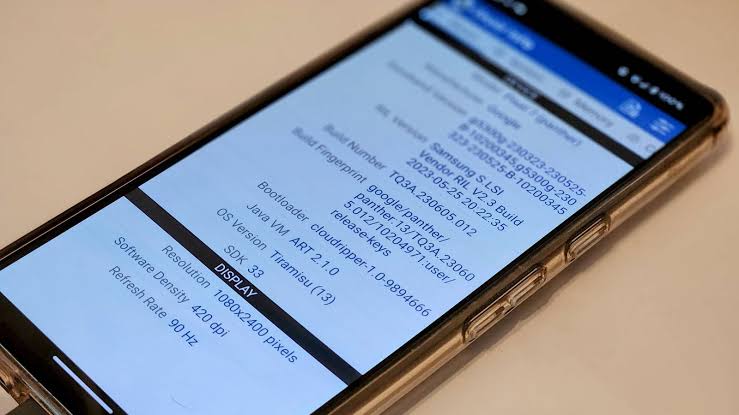
Start with the Android version on the device. An app declares a minimum supported API level, and the phone’s OS version must be at least that high. For example, an app that needs API level 26 will not install on Android 7.0 devices that sit below that threshold. That is the clearest gate, and it is the one many people miss because a download page may mention only “Android 8+” without explaining that this means an API level, not a marketing name.
Then check the CPU architecture. Most modern phones use ARM64 (arm64-v8a), while older 32-bit devices need armeabi-v7a. An app built only for x86 or x86_64 is for emulator environments or a small set of devices, not most consumer Android phones. Wrong architecture? The app may refuse to install, or it may install but fail when native libraries load. Ugly, but common.
Next check whether the APK is a full package or one piece of a split install. A split APK set may include a base module plus configuration APKs. If the app came from a source that exports split packages, you need the full set or an installer that handles them, such as a split-capable package installer. A lone base.apk may be incomplete.
Finally, look at the app’s declared features. Some apps require cameras, GPS, Bluetooth LE, Android TV features, or a specific OpenGL ES level. If the app demands hardware your device does not have, the store would normally hide it. A sideloaded APK can bypass that visibility filter, but it does not bypass the actual requirement. The app may install and then fail at runtime.
I would treat compatibility as a preflight check before every sideload. It takes a few minutes, and it saves the longer failure of uninstalling, clearing residue, and trying to reverse a bad update. If you are unsure, consult the device maker, the app developer, or a professional before continuing.
The version checks I make before I install anything
Before I install an APK, I check the package name, signature, version code, Android API levels, CPU architecture, and package format. That order matters because it mirrors the way Android rejects a bad package.
-
Confirm the package name. Open the APK metadata and verify the identifier, such as
com.example.app. Make sure it matches the app you meant to install, not just a similarly named app. A mismatch here means you may be looking at a clone, a fork, or a completely different app. The warning sign is a package name that differs by even one character. -
Check the version code, not only the version name. Compare the internal build number, often shown as
versionCodein manifests or APK inspectors. It must be higher than the installed build if you want an update. Make sure the version name is not being used as a substitute. A lower version code means Android will refuse to upgrade and may show an “app not installed” message. - Match the signing certificate. Confirm that the app is signed by the same key as the installed app. In Android, the signing certificate is the identity that allows one build to replace another. Make sure the signer fingerprint is unchanged if you are updating an installed package. A changed certificate with the same package name is a red flag unless the app was deliberately re-signed and installed as a different package.
-
Check
minSdkVersionagainst the device OS. Compare the app’s minimum API level with your Android version. For example, an app requiring API 29 cannot run on a device below Android 10. Make sure the phone’s OS is at or above the minimum. A failure here usually means the app will not install or will crash on launch. -
Check
targetSdkVersionfor behavior changes. Look at the app’s target API level and note that it affects permissions, background activity limits, storage access, and notification behavior. Make sure the app was built against a current Android release or an older one. A very old target SDK can still run, but it may trigger compatibility warnings or stale permission behavior. -
Match the CPU architecture. Confirm whether the APK includes
arm64-v8a,armeabi-v7a,x86, orx86_64native libraries. Make sure your device’s processor family is covered. A 64-bit-only app will not help a 32-bit-only device, and a wrong-architecture build can install but fail when a native library loads. - Decide whether you have a single APK or a split package set. If the download includes several APK files, do not treat one file as complete unless the package format says so. Make sure the installer supports split installs or that you have the base APK plus the required configuration splits. Missing splits usually show up as install failure or a launch-time crash with missing resources. If the package is business-critical, consult a professional before installing only part of it.
- Check for required device features. Read the manifest or app metadata for camera, GPS, sensor, or hardware feature declarations. Make sure your device actually has those parts if the app uses them at runtime. A missing feature can leave the app installed but unusable in the part the app needs most.
The useful habit is to stop after any mismatch, not to “try it anyway.” The bad result is often not dramatic; it is a half-working install, a crash loop, or a package that cannot be updated later because you mixed signatures or package formats.
How do APK updates work after the first install?
An APK update replaces an installed app only when the package name matches, the signing certificate matches, and the new version code is higher. That is the whole mechanism in plain terms, and most update trouble comes from breaking one of those three rules.
When you install a newer build over an existing app, Android compares the package identity first. If the package name is different, it is a different app. If the package name is the same but the signing key is different, Android will usually reject the update. If both match, the version code decides whether the new file counts as an upgrade. The version name can say almost anything, but Android does not use it to determine precedence.
This is why “downgrading” an app is not a normal update path. If the new file has a lower version code, the installer generally blocks it unless you remove the current app first and reinstall. That can be dangerous for apps with local data, accounts, or encrypted state. A downgrade is not a cosmetic rollback; it is a package replacement that may leave data structures out of sync with the older code.
There is also a difference between updating an app from the Play Store and sideloading an APK. The Play Store tends to handle splits, compatibility, and certificate rotation within its own pipeline. Manual sideloading puts those checks on you. If you install a sideloaded APK on top of a Play Store app, the signature still has to match. If it does not, you may need to uninstall the existing app first, and that often wipes local data unless the app has a backup path.
An update can fail quietly if the package is already installed under a work profile or a different user profile. Android treats each profile as a separate installation context. The same version may be present in one profile and missing in another, which makes troubleshooting confusing unless you check the profile context.
The clearest sign of a bad update path is a package that installs only after uninstalling the old one. That often means the signatures do not match, the package name changed, or the split set is incomplete. If you care about app data, that is the point to stop and investigate instead of pressing forward.
What should I check before I update an APK?
You should check the current installed version, the new version code, the signer, the package format, and whether the app stores data you cannot afford to lose. Those are the five things that separate a clean update from a broken one.
First, confirm the installed package details. If you can read the app info, note the installed version name and package name. If you have access to package metadata, confirm the version code too. That gives you a baseline so you can tell whether a file is truly newer. A file with a newer-looking version name is not enough.
Second, compare the signing certificate. This is the most overlooked step, and it is the one that explains many “update failed” messages. A matching package name with a changed certificate is not a routine update. It is a different signer. Unless you know the developer intentionally rotated keys and the install path supports that transition, assume it will not update in place.
Third, check whether the update is a full APK or a split package set. If the app originally came from an app bundle split, a single replacement APK may not be sufficient. You may need the base plus the matching splits from the same build. A partial update can install but break language packs, density assets, or native code.
Fourth, decide whether the app stores state you need to preserve. Messaging apps, authenticator apps, finance apps, and document apps can carry data that is not easy to recover. I would be cautious with any update that requires uninstalling first. Uninstalling is clean for the package manager, but not necessarily for your data.
Fifth, check release notes when they are available. You do not need a long changelog to know whether an update introduces a new minimum OS level, removes 32-bit support, or changes permissions. If the notes mention a major Android API bump, that often means compatibility expectations changed too.
A good update is boring: install, open, sign in, and continue with no data loss. If the update path is asking you to uninstall the current app, sidestep that unless you are comfortable losing local state or you have a backup.
Common APK mistakes and what they cost
The most common APK mistakes are version confusion, architecture mismatch, signature mismatch, split-package mistakes, and forcing an update over a downgrade path. Each one has a different failure cost, and not all of them fail the same way.
-
Using version name as if it were version code.
The consequence is that you may try to “update” with a build Android sees as older or equal. The installer rejects it or leaves the current version in place. The correct alternative is to compareversionCode, not just the label shown to users. -
Installing the wrong architecture.
The consequence is a package that installs but crashes when native code loads, or fails to install at all. The correct alternative is to matcharm64-v8aorarmeabi-v7ato the device’s CPU family and avoid assuming any APK works on any Android phone. -
Ignoring the signing certificate.
The consequence is update failure, and in some cases a mistaken uninstall of the working app before you realize the new file cannot replace it. The correct alternative is to treat signer mismatch as a hard stop unless you deliberately intend a fresh install. -
Downloading only one file from a split APK set.
The consequence is a package that appears valid but lacks resources or code, leading to installation errors or missing app features. The correct alternative is to install the full set with a split-aware installer or use a package that is explicitly a single, universal APK. -
Forcing a downgrade to fix a problem.
The consequence is data mismatch, broken local storage, or a security hole if the older build is missing fixes the newer build had. The correct alternative is to clear the app data only if you accept the loss, or to look for a properly signed build with a higher version code. -
Skipping OS compatibility checks.
The consequence is an app that installs but cannot run because the device is below the minimum API level or lacks required platform behavior. The correct alternative is to compareminSdkVersionto the device’s Android version before you install.
The pattern behind these mistakes is simple: people assume Android is forgiving when it is actually strict about identity and build compatibility. It is stricter than casual sideloading culture suggests. For confirmation, check the Android app signing documentation, the [Android compatibility guidance](https://developer.android.com/guide/practices/compatibility