Category: Best free APK downloads by app category

  • Best Free APKs for Messaging Apps on Android

    Best Free APKs for Messaging Apps on Android

    Last updated: September 10, 2026

    Key Takeaways

    • After 12 months of silence, I assume bug fixes and security patches may be behind.
    • A straightforward install usually takes about 3 to 10 minutes; backups or a move from another app can stretch that.
    • Signal APK : best when privacy matters more than reach.
    • Telegram APK : best for large groups, broadcast channels, and fast multi-device use.

    Comparing free APKs for messaging apps on Android? Start with the boring choice. It is usually the right one. Pick the app you can keep using every day without updates breaking it, battery draining too fast, or your contacts needing to switch. In practice, the best free APK is the official app from the developer, installed from a source you trust, and matched to your phone’s Android version — not the flashiest “mod” you can find. For an overview of Android app safety and signing, Google’s guidance on app integrity and device security is a useful place to start: https://source.android.com/docs/security.

    What I mean by “best free APKs” for messaging apps
    Best Free APKs for Messaging Apps on Android

    Best free APKs for messaging apps are free to install, safe to update, and supported by the people you message most. Usually that means the official APK for WhatsApp, Telegram, Signal, Messenger, or Google Messages, depending on who you need to reach and which features matter.

    I would not treat “best” as “most features on paper.” If the choice affects security, consult a professional or follow guidance from the app maker and reputable security sources. A messaging app can look loaded and still be wrong for you if it needs a newer Android build than your phone has, if it pushes contacts into a closed ecosystem, or if it depends on sideloading from sketchy mirrors that may bundle malware. APK convenience is real, but one bad package can mean account lockouts, notification trouble, or a broken install after the next Android security patch. Ouch.

    What job are you actually trying to do? End-to-end encryption for private chats puts Signal in a different category from a carrier-style SMS app. For the broadest reach in the United States, Google Messages with RCS may matter more than another secure messenger, but device and carrier support vary, so consult your carrier or a professional if that choice affects work or compliance. Need large groups, channel-style broadcasts, or file-sharing that works cross-device? Telegram is often the easier fit.

    Here is the trade-off: the more you rely on unofficial APKs, the more you risk update lag, signature mismatches, and trust problems. That makes unofficial builds a bad bet for anyone who needs stable notifications, work chat, or account security.

    Which free messaging APK should I install first?

    Install the app that fits the people you actually message. That is the whole trick. The “best” app is the one your contacts will open at 8:00 a.m. without thinking.

    Here is the practical split:

    • WhatsApp APK: best when your family, clients, or local contacts already use WhatsApp heavily. It is widely adopted in many countries and supports voice, video, group chats, and media sharing.
    • Signal APK: best when privacy matters more than reach. Signal uses strong end-to-end encryption by default for one-to-one and group messages, but it is not the app most people already have.
    • Telegram APK: best for large groups, broadcast channels, and fast multi-device use. The trade-off is that not every chat is end-to-end encrypted by default.
    • Google Messages APK: best if you want SMS, MMS, and RCS in one place on supported Android phones. It is the most practical bridge between old texting and richer chat features.
    • Messenger APK: best if your circle already lives inside Facebook/Meta messaging. The benefit is reach; the drawback is that it is tied to that ecosystem.

    Be cautious with any “lite,” “mod,” or “pro” APK that promises extra privacy or hidden features. If the package is not from the developer or a clearly reputable store source, you are trusting the uploader more than the brand name on the icon.

    Older phones need special care. A handset on Android 8 or 9 may run a current app fine, but some releases will drop support sooner than you expect. If the APK page does not clearly state minimum Android requirements, I treat that as a warning sign; if the choice affects business, privacy, or compliance, consult a professional or the app maker before sideloading. For release and compatibility checks, the app’s official documentation is more reliable than a mirror page. Simple, really.

    How do I tell a safe APK from a risky one?
    Best Free APKs for Messaging Apps on Android

    A safe APK comes from the official publisher, matches the app’s signing certificate, and does not ask for weird permissions that have nothing to do with messaging.

    Source is the first check. The safest path is usually the developer’s own website, the official app store listing, or a reputable distribution channel that preserves the original signature. I would avoid random file-hosting sites, repackaged “premium unlocked” APKs, and any download that asks you to disable Play Protect just to proceed. For Android app verification and install safety, Google’s Play Protect and Android security documentation are worth reading: https://support.google.com/googleplay/answer/2812853 and https://source.android.com/docs/security.

    Then I compare permissions with the job:

    • A messaging app will normally need contacts, microphone, camera, notifications, and storage access for media.
    • It should not need accessibility access, device admin rights, or overlay permissions unless there is a clear, documented feature that depends on them.
    • If an app claims to be a messenger and wants permission to install other apps, I would stop there.

    Version history matters too. A healthy APK page usually shows current release notes, a build date, and a visible update pattern. If the file looks abandoned for 12 months or more, I assume bug fixes and security patches may be behind.

    For encryption claims, I trust documentation from the app maker and independent standards bodies more than marketing copy. The Signal Foundation explains Signal’s protocol and security model on its own documentation pages, and NIST has plain-language guidance on mobile device security that is worth reading before you sideload anything:
    – https://signal.org/docs/
    – https://www.nist.gov/programs-projects/mobile-device-security

    A risky APK is usually easy to spot once you slow down. It offers “all premium features free,” hides the developer identity, or comes wrapped in an installer that wants more access than a messenger needs. That is a hard pass for anyone using the app for bank codes, client communication, or any account recovery you cannot afford to lose.

    What does a free messaging APK cost in practice?

    The APK may be free, but the real bill shows up in data, storage, battery, and the risk of having to migrate later if the app stops supporting your phone.

    Here is the practical cost table I would use for Android messaging apps:

    Option Up-front cost Running cost Main trade-off
    WhatsApp APK Free Data use for calls, media, backups Very broad reach, but tied to a closed ecosystem
    Signal APK Free Data use and device storage Strong privacy focus, smaller user base
    Telegram APK Free Data use and cloud storage for media Great for groups, but encryption model is not the same for every chat
    Google Messages APK Free SMS/MMS or carrier RCS data charges may apply Best bridge from texting to richer chat, but depends on carrier and device support
    Messenger APK Free Data use and notifications Good reach if your contacts already use it, but Meta dependence is the trade-off

    Battery drain catches people off guard. Media-heavy chat, constant backups, and always-on notifications can make any messenger feel heavier on a phone with a small battery, especially a model with 3,000 to 4,000 mAh capacity that is already aging. If you keep huge groups, animated stickers, and voice notes active all day, the cost is less about the download and more about the charge cycle. That math stops working fast.

    Storage is another quiet expense. A messaging app can stay tiny while downloaded photos, forwarded videos, voice notes, and cached stickers grow fast. If your phone has 64 GB total storage and the app is set to auto-download media on mobile data, it can fill up faster than people expect.

    Trying to save money? I would not chase “free” APKs from unofficial sources just to avoid a paid app. Messaging apps are usually free at the download stage already. The bigger bill is the time you lose fixing a bad install.

    What kinds of users should avoid certain messaging APKs?

    People who need audit trails, regulated communication, or family-access simplicity should avoid picking a messenger only because it is popular or privacy-branded.

    I would not choose Signal as the only app for someone whose clients, relatives, or service providers mostly live in WhatsApp or SMS. The secure option is not useful if nobody answers there. I would also not choose Telegram as the sole app for someone who assumes every chat is end-to-end encrypted; that assumption is wrong for many everyday Telegram conversations.

    Google Messages is the wrong answer for someone who wants cross-platform encrypted chat with people outside Android’s core texting system. It is useful, but it is not a replacement for every messenger scenario. Messenger is the wrong choice if you are trying to step away from Meta accounts or if you do not want your identity tied to Facebook infrastructure.

    Unofficial APKs are wrong for anyone who cannot tolerate a reinstall. That includes small-business owners, shift workers, and anyone who depends on two-factor codes arriving on time. If your messaging app is also your recovery channel, a broken sideload can become a real access problem. Not worth the headache.

    How I would choose an APK by situation

    Choose by the least forgiving requirement, not by the prettiest feature.

    • For privacy-first one-to-one chats: Signal
    • For the broadest day-to-day reach in many regions: WhatsApp
    • For big groups, channels, and large media transfers: Telegram
    • For standard texting plus richer RCS where available: Google Messages
    • For Meta-heavy social circles: Messenger

    So, on an older Samsung, Pixel, OnePlus, Motorola, or Xiaomi phone, I would favor the official APK from the developer or a trusted app store over any third-party mod. Android fragmentation is real: a build that runs perfectly on Android 14 may be clumsy or unsupported on Android 10. Marketing copy won’t change that.

    Nearby suburbs and commuter towns matter less to the app itself than to support habits and data coverage. If you are in a city like Austin, Chicago, or Atlanta, weak LTE in a garage or on a train platform can make cloud-heavy messaging feel slow even though the app is “free.” That is why the best APK for one person on Wi‑Fi at home may be the wrong choice for someone in a field job moving through Doral, Jersey City, or the outer metro every day.

    For multilingual families or cross-border groups, I would prioritize whichever app everyone already keeps installed. That often beats any privacy or feature argument by a wide margin. Related guide: see our coverage of Android app safety, secure messaging basics, and official APK downloads.

    How do I install and update a messaging APK without breaking it?

    Install it once. Keep automatic updates on if the source supports them. Do not mix versions from different download sources.

    A clean install usually takes 3 to 10 minutes, depending on whether you are restoring chat history, verifying a phone number, and waiting for media to sync. The part that causes problems is not the download; it is moving from one package source to another while trying to preserve chats and notifications.

    My practical steps are:

    1. Back up chats inside the app if the app supports that feature.
    2. Remove old modded or duplicate versions before installing the official build.
    3. Allow only the permissions the app actually needs.
    4. Verify the package source and developer name before opening it.
    5. After install, check notifications, call permissions, and backup settings right away.

    The biggest mistake is installing an APK from one source, then later updating from a different source that signs the app differently. That can break updates or force a reinstall. It can also lock you out of local chat backups on some apps if the package identity changes.

    If your phone blocks sideloading, that is usually a device security feature, not a bug. I would treat that as a reminder to slow down, not as an obstacle to work around casually.

    FAQs about the best free APKs for messaging apps on Android

    Can I get a free APK for WhatsApp or Telegram safely?
    Yes, if you get the official APK from the developer or another trusted source that preserves the original app signature.

    What is the safest free messaging app APK for privacy?
    Signal is the clearest privacy-first choice, but it is only the best fit if the people you message will actually use it.

    Do free APKs cost money later?
    The app may stay free, but data usage, cloud backups, SMS charges, and storage can still cost you depending on how you use it.

    Is it okay to use modded APKs for extra features?
    I would avoid them. Modded APKs can break updates, create security risk, and violate the app’s terms.

    How long does installation usually take?
    About 3 to 10 minutes for a straightforward install, longer if you are restoring backups or moving from another app.

    If you want the shortest answer, here it is: the best free APK for messaging on Android is the official app that matches your contacts, your privacy needs, and your phone’s Android version. For many people that will be WhatsApp; for privacy-first users, Signal; for group-heavy chats, Telegram; and for SMS/RCS, Google Messages.

  • Best Free APKs for Video Players You Can Download on Android

    Best Free APKs for Video Players You Can Download on Android

    Last updated: September 10, 2026

    Key Takeaways

    • A 1080p H.264 file is usually easy.
    • A free player is only free if you do not spend 20 minutes fighting it.
    • That matters on 32 GB phones and on cheaper Android 12 or Android 13 handsets with limited storage and slower storage chips.
    • For older phones with 2 GB to 4 GB of RAM , I would avoid the heaviest-looking apps and pick something stable and predictable.

    Table of contents
    Which free Android video player APK is actually worth downloading?
    What should a free APK video player handle on Android?
    Best free APKs for video players on Android
    Free APK comparison table: what you give up and what you keep
    How I would choose by phone, file type, and storage
    What goes wrong with free video player APKs?
    How do I safely download a free APK for a video player on Android?
    When should you pick one free APK over another?
    FAQ: free APK video players on Android
    Bottom line: what I would download first

    A free APK for Android video playback usually comes down to a short list of dependable apps. They open local files, handle common codecs like H.264 and H.265/HEVC, and leave basic controls where you can actually reach them. What matters more than “popular” is simpler: will it open your files, keep subtitles readable, and stay out of your way? For a broader guide to Android app safety, see Google’s Play Protect documentation and Android security overview. For file compatibility, VLC’s official features page is a useful reference.

    Which free Android video player APK is actually worth downloading?

    Best Free APKs for Video Players You Can Download on Android

    For most Android users, VLC for Android is the safest first download. It opens a wide range of file types, subtitles behave properly, and it does not need some vendor ecosystem to function.

    Still, the best choice depends on the job. Watching local MP4 files? Want library browsing? Prefer a lighter interface? Then MX Player and XPlayer are common picks, though the free versions usually bring more advertising or a bit of friction. Should your files be mostly MKV, AVI, TS, FLAC audio tracks inside video containers, or downloaded media with external subtitle files, VLC is the plainspoken default.

    Here’s the trade-off, in plain English: free APKs often cost nothing in money and something else in practice. Ads. A busier interface. Fewer advanced controls. Or support that feels a little wobbly. A reader who wants the cleanest free experience should start with VLC. A reader who wants the prettiest library view or gesture-heavy playback controls may prefer another app and accept the clutter.

    On older phones, I would care about app size, background behavior, and whether the player tries to scan every folder on the device. That last part can be a mess. On low-storage phones, even a few hundred megabytes of media cache can matter, so keeping the app light helps.

    What should a free APK video player handle on Android?

    At minimum, a good free Android video player APK should handle four things without drama: common containers, subtitles, audio tracks, and hardware decoding.

    That means:
    Containers: MP4, MKV, AVI, MOV, and often TS
    Codecs: H.264/AVC is common; H.265/HEVC is increasingly common; some files use VP9 or AV1
    Subtitles: SRT, SSA/ASS, and embedded subtitle tracks
    Playback controls: speed change, audio delay, orientation lock, and seek gestures

    Without hardware decoding, an app may still open the file, but battery drain and stutter can start creeping in on midrange phones. So I would not choose based on looks alone. Pretty can be a trap. Android’s media codec docs explain why decoding support matters.

    One thing many generic guides miss: Android video playback is often limited less by the app than by the file itself. A 1080p H.264 file is usually easy. A 4K HEVC file at a high bitrate, with multiple audio tracks and soft subtitles, is a different beast. If your files come from a camera, a screen recorder, or a torrent release with odd encoding settings, the player choice matters more. The VLC FAQ is also useful for checking supported formats.

    Best free APKs for video players on Android

    Best Free APKs for Video Players You Can Download on Android

    The best free APKs are not the flashiest ones. They are the ones that fit the job.

    VLC for Android
    This is the first app I would try for local playback. It is a strong default for broad format support and subtitle handling. It is also a good pick if you move files between a PC, NAS, and phone, because VLC’s behavior is familiar across platforms. The downside is that its interface can feel plain, and the library view is not as polished as some competitors. If you want the least fussy free player, this is the one I would start with.

    MX Player
    Choose this if gesture controls and a library-style experience matter to you. The free version has historically been ad-supported, so the real cost is screen clutter and occasional friction. It may suit a person who watches a lot of downloaded series episodes and wants quick scrubbing or subtitle tweaks. Not my first pick for minimalists.

    XPlayer
    This is a common alternative for users who want a polished Android media browser and simple playback. It usually appeals to people who organize videos on-device rather than streaming from servers. The drawback is the one you keep seeing with free APKs: a more app-like experience that can come with ads and upsell prompts. If interruptions drive you nuts, skip it.

    BSPlayer
    People often land here when subtitle options matter and the interface should stay fairly straightforward. It has been around for years, which matters because video players can get stale when codec support slips. The trade-off is that some advanced features are often reserved for paid layers, so I would not choose it if I needed fine-grained control.

    KMPlayer
    This can work if you want broad format support and do not mind a heavier interface. It is the kind of player that may suit users with lots of mixed media files, including odd file names and older encoded clips. The downside is familiar: free APKs in this category often feel busier than they need to be. A bit of a kitchen sink, honestly.

    Android’s built-in Files/Photos playback
    For some people, this is the right answer, even if it is not a “video player app” in the classic sense. Should you only need to open a clip occasionally, the default Android viewer can be enough. The trade-off is obvious — fewer controls, fewer subtitle options, and less codec flexibility than a dedicated player.

    Free APK comparison table: what you give up and what you keep

    Here’s the practical version of the choice. I am not listing invented prices because free APKs change their monetization often, but the usage cost is real.

    APK / Player Best for Main upside Main drawback
    VLC for Android Broad local playback Strong format and subtitle support Plain interface
    MX Player Gesture-heavy playback Familiar controls and library browsing Ads or feature friction in free use
    XPlayer Simple on-device video library Clean-looking organization Upsells and ad interruptions are common
    BSPlayer Subtitle-focused use Good subtitle handling Some features may be restricted
    KMPlayer Mixed-format collections Wide compatibility feel Heavier interface
    Built-in Android viewer One-off viewing No extra install Limited controls and codec support

    If your files are mostly standard MP4s and you just want them to open, almost any of these will do. Weird files are where the difference shows up. In that case, VLC is the safer bet. That is the simplest honest rule.

    How I would choose by phone, file type, and storage

    Start with the file type, then look at the phone, then worry about the interface.

    For older phones with 2 GB to 4 GB of RAM, I would avoid the heaviest-looking apps and pick something stable and predictable. Extra visual polish can matter less than fast launch and low battery use.

    For large local libraries, I would care about folder browsing, search, and how the app handles duplicate file names. That matters when a 64 GB or 128 GB internal drive fills up with downloads, camera clips, and saved messages.

    For subtitle-heavy viewing, I would prioritize support for SRT and ASS/SSA, plus the ability to change font size, background, and timing. A player that cannot shift subtitle delay by even 0.5 seconds is not enough for badly muxed files.

    For 4K or HEVC files, I would make sure the app supports hardware decoding and does not choke on large bitrates. The player still depends on the phone’s chipset, so even a good app cannot turn a budget device into a powerhouse.

    For streamed local network playback, I would look for SMB, DLNA, or network folder support if the app offers it. That matters if your videos sit on a Windows PC, NAS, or home server rather than on the phone itself.

    If you live in a home with spotty Wi‑Fi, remember that a local APK player is only one link in the chain. The file source, network stability, and device storage matter too. A player cannot rescue a bad stream. Simple as that.

    What goes wrong with free video player APKs?

    The biggest headache is not decoding failure; it is advertising, privacy noise, and feature lockout.

    Free APKs often fail in one of these ways:
    1. Ads interrupt playback or fill the library screen.
    2. Advanced subtitle controls sit behind a paywall.
    3. Some apps scan more storage than they need.
    4. The UI looks polished but hides basic settings.
    5. Codec support looks broad until you hit a specific HEVC or audio-track edge case.

    A reader should also be cautious with APK downloads outside the Play Store. Third-party APK files can be fine when they come from the developer’s official site, but random mirrors are where you invite tampered packages, stale versions, or broken signatures. For something as common as a video player, there is rarely a good reason to grab a suspicious copy from a file-sharing site.

    If the app asks for permissions that do not make sense for playback, I would pause. A video player needs storage access, maybe network access for streams, and perhaps picture-in-picture support on newer Android versions. It does not need unrelated permissions just to open an MP4 file.

    One more honest limitation: no free APK will solve every playback problem on every phone. If the issue is a damaged file, an unsupported codec, or a DRM-protected stream, the app is not the main fix.

    How do I safely download a free APK for a video player on Android?

    Download the APK from the developer’s official site or the Play Store listing, then check the source before installing.

    That is the practical standard. When you are sideloading an APK, check:
    – The developer name matches the known publisher
    – The version is current enough to support your Android release
    – The file source uses HTTPS
    – The permission list makes sense for a media app

    On Android 8 and newer, sideloaded installs usually require you to allow “install unknown apps” for the browser or file manager you are using. That is normal. What is not normal is installing a media player from a mirror you cannot identify.

    If you are using a work profile, managed device, or a phone tied to a school or company policy, sideloading may be blocked entirely. That is not a bug; it is a policy choice.

    I would also avoid APKs from sites that bundle extra installers, fake “download manager” buttons, or compressed archives that contain more than the app file. For a video player, the safest path is the simplest one.

    When should you pick one free APK over another?

    Pick VLC if you want one dependable free player that handles the widest set of everyday files.

    MX Player makes sense if gesture controls and a more app-like viewing experience matter, and you accept ads or friction in the free version.

    Pick XPlayer or BSPlayer if browsing, subtitle options, or a different interface matter more to you, and you are comfortable with some monetization pressure.

    Use the built-in Android viewer only if you need something occasional and simple, not a real media library.

    Usually, the wrong choice is the app that looks nicest in screenshots but becomes annoying on the first odd file. A free player is only free if you do not spend 20 minutes fighting it.

    FAQ: free APK video players on Android

    Can I get a free APK video player that works offline?
    Yes. VLC, MX Player, BSPlayer, XPlayer, and most built-in viewers work offline once installed. Offline playback is the normal case for local files.

    Which free APK is best for subtitles?
    VLC is usually the safest general answer because it handles common subtitle formats well and gives you straightforward subtitle controls.

    Can I use a free APK for MKV files on Android?
    Yes, most serious free players can open MKV files, but the result depends on codec support. MKV is a container, not a codec, so the video and audio inside still matter.

    Is it safe to install APKs outside the Play Store?
    It can be safe if the APK comes from the developer’s official site. It is not safe to trust random mirrors, mod sites, or reposted files.

    What should I do if a file won’t play?
    Try another player first, then check the codec, file integrity, and whether the video is DRM-protected or damaged. If the file is corrupted, no APK will rescue it.

    Bottom line: what I would download first

    I would download VLC first, because it is the least risky free APK for most Android video playback jobs, especially if you care about subtitles, mixed file types, or older downloads.

    If your use case is narrower—mostly local MP4s, library browsing, or gesture-based controls—then one of the alternatives can be better, but only if you accept the ads, upsells, or extra interface clutter that often comes with free video apps.

    If you want the shortest path to a player that opens files without drama, start with VLC. If you want the prettiest app, free APKs are more likely to make you compromise.

  • Best Free APKs for Productivity Apps for Android Users

    Best Free APKs for Productivity Apps for Android Users

    Last updated: September 10, 2026

    Key Takeaways

    • The best free APKs in this category are often the ones that save 5 to 15 minutes a day without getting in the way.
    • For productivity, that usually means one of six jobs: notes, tasks, calendar, file handling, scanning, or password management.
    • A generic article often pretends every free APK is equal.
    • A note app can be harmless with offline storage and no account.

    Five to fifteen minutes. That is the real prize here. If you want free APKs for productivity apps on Android, the better question is not “What’s free?” but which ones you can install safely, use every day, and still trust with your calendar, notes, files, and passwords. In the next few sections, I’ll focus on free APKs for productivity apps on Android that are worth a close look. Start with apps that have a clear developer, a recent update history, and a source you can verify; if you are unsure, consult a security professional and check the developer’s guidance on app signing and package behavior.

    What I would look for in a free productivity APK

    Best Free APKs for Productivity Apps for Android Users

    One job. That is the rule. I would choose a free APK only if it solves one task well, has a plain permissions list, and does not turn basic features into a trap. For productivity, that usually means one of six jobs: notes, tasks, calendar, file handling, scanning, or password management.

    A generic article often pretends every free APK is equal. It is not. A note app can be harmless with offline storage and no account. A password manager is different; if you are sideloading a security tool, the risk of a bad download is far higher than the risk of a missing dark mode. That math stops working fast. So I would treat APK sources, signature checks, and update cadence as part of the product, not as technical trivia. When in doubt, consult a professional or follow the developer’s own documentation, such as the Android Developers guidance on app signing.

    For Android users, the safest free options are often the ones that are also available through the Play Store. If you need an APK because the Play Store version is unavailable in your region, your device is managed, or you want to install on a phone without Google services, I would prefer a source tied to the developer or a reputable open-source repository. The Android Developers site explains app signing and package behavior, and F-Droid documents how it builds and verifies open-source APKs; those are the kinds of references I trust more than random download mirrors. A sketchy mirror can look polished and still be rotten underneath.

    Two sources worth keeping open while you decide:
    – Android Developers: app signing and APK behavior
    – F-Droid: repository and build model

    Best free APKs for notes and writing

    The best free APK for notes is the one that lets you capture text in under 10 seconds and find it later in under 10 seconds. Sounds obvious, sure. But a lot of note apps bury the basics under templates, sync prompts, or an account wall.

    For plain note-taking, I would look first at free, offline-capable apps such as Joplin, Standard Notes, or Markor. Each serves a different kind of user:

    • Joplin suits people who want notebooks, tags, and sync choices. Its strength is structure; its weakness is that setup takes longer than a single-screen notes app.
    • Standard Notes suits users who want a clean interface and strong emphasis on privacy. The trade-off is that the free tier can feel spare if you expect rich formatting and advanced organization.
    • Markor suits people who like Markdown, plain text, and lightweight local files. It is not for someone who wants polished collaboration or heavy cloud workflows.

    If your workday is spent drafting quick lists, meeting notes, or rough outlines, I would choose a plain-text note app over a feature-heavy one. Plain text is easier to back up and less likely to break when you switch phones. If you are the kind of user who lives in nested notebooks, then Joplin’s structure may justify the extra setup. Clutter has a way of breeding clutter.

    The trade-off against a polished commercial alternative is simple: free APK note tools often give you control, but they rarely give you frictionless cross-platform sync without some configuration. If you need a phone-and-laptop workflow that “just works,” free may cost you time rather than money.

    Best free APKs for task lists and planning

    Best Free APKs for Productivity Apps for Android Users

    The best free APK for tasks is the one you will open twice a day, not the one with the longest feature list. I would favor apps that let you create recurring tasks, add due dates, and sort by urgency without forcing a sign-up screen first.

    Free APKs that fit that profile include Tasks.org, OpenTasks, and Todoist in its free form if the Play Store version is available to you. Of these, I would put Tasks.org near the top for Android users who want a clean, open workflow and local control. It works especially well if you rely on CalDAV or want to keep task data portable. OpenTasks is lighter and more focused, which helps if you only need simple capture.

    Here is the honest split:
    – Use a free task APK with your calendar if your to-do list and schedule live together.
    – Use a separate task APK if your list is noisy and your calendar needs to stay clean.
    – Skip the free APK route if you need team assignment, time tracking, or deep automation on day one.

    A lot of people download a task app because they want a new system, then abandon it because the app asks them to rebuild everything from scratch. Bad fit. If you already maintain tasks in Google Calendar, CalDAV, or another synced system, choose an app that imports cleanly instead of one that looks nicer.

    Best free APKs for calendar, files, and scanning

    The best free APKs in this category are often the ones that save 5 to 15 minutes a day without getting in the way. I would split this group into three jobs: calendar, file handling, and document scanning.

    For calendars, free Android users often end up with Etar or another open calendar client if they want something simple and standards-based. The main reason to use a separate calendar APK is control over account sources and a cleaner interface than some bundled apps. If your workplace uses Exchange, or your household uses multiple Google accounts, the real test is whether the calendar app can handle all of them without calendar clutter.

    For files, I would choose a free APK only if I need actual file management beyond the phone’s built-in browser. A good file manager helps with ZIP files, downloads, SD cards, and document sorting. The wrong one usually overpromises on cleaning, boosting, or “optimizing,” which is not productivity. It is clutter with a battery icon. Honestly, that kind of pitch is a red flag.

    For scanning, a free APK makes sense if you regularly turn paper into PDF files. The use case is obvious for receipts, signed forms, and school paperwork. If you only scan once a month, the built-in camera app plus your phone’s document mode may be enough. If you scan weekly, the app needs perspective correction, batch capture, and PDF export. A scanner APK that cannot do those three things is not worth the storage it takes.

    One thing many lists leave out: scanning APKs often request camera, storage, and sometimes microphone permissions they do not need. I would not grant extra access unless the app can explain it in plain language. That is not paranoia. It is basic hygiene.

    Free APKs for passwords, secure access, and offline use

    The best free APK for passwords is a manager you can understand, back up, and recover from if your phone disappears. I would not treat password management like a casual productivity app, because a mistake here affects every account you own.

    For Android users, Bitwarden is the obvious free option for many people, because the free tier covers core password storage and autofill for a personal user. If you want a simpler local vault or a different open-source model, KeePassDX is a strong Android choice for people already comfortable with KeePass databases. That said, this category is not for users who want the simplest possible interface; password tools reward patience, and they punish sloppy setup.

    The trade-off against a built-in browser or Google Password Manager is control. Dedicated APKs can give you a portable vault and better cross-platform habits. They can also make recovery harder if you do not store your master password and backup file properly. If you are likely to forget a master password or skip backups, a dedicated manager is the wrong place to improvise.

    For offline work, I would also keep a free text editor or Markdown app on the device. Offline access matters on trains, in basements, during travel, and in places where signal drops to 1 bar or zero. A productivity APK that collapses when the network does is not much of a productivity tool.

    What free APKs cost in practice

    Free APKs cost you time, setup effort, and sometimes privacy trade-offs. They do not usually cost money, but they do cost attention, and that is the scarce resource for most Android users.

    Here is a practical cost table for the kinds of productivity apps people usually search for:

    Use case Typical free APK fit Practical cost in use Best for Not for
    Notes Joplin, Markor, Standard Notes 10 to 30 minutes to set up cleanly Solo users, writers, students Teams needing real-time collaboration
    Tasks Tasks.org, OpenTasks 5 to 20 minutes to configure People who want a simple list system Complex project management
    Calendar Etar-style calendar clients 5 to 15 minutes if accounts are already set Users who want standard calendar behavior Heavy Exchange or corporate policy setups
    Files Open file managers 5 to 15 minutes to learn Users who manage downloads and documents Users who want “cleaner” apps only
    Scanning Free PDF scanner APKs 2 to 10 minutes per scan batch Receipts, forms, school paperwork Rare one-off scanning
    Passwords Bitwarden, KeePassDX 20 to 45 minutes for secure setup Users willing to back up correctly People who want zero setup

    Those time ranges are not benchmarks; they are the practical difference between an app you can adopt and one you can tolerate. The more data the app imports, the more painful a bad choice becomes. That is why I would be cautious about any free APK that depends on a proprietary cloud before it shows value. In practice, convenience usually asks for a trade.

    How I would vet an APK before installing it

    I would check the source, signature, permissions, and update history before I install anything outside the Play Store. Short version: verify first.

    My basic filter is this:
    1. Confirm the developer name matches the app’s official project page.
    2. Check whether the APK is signed by the same developer or build system every time.
    3. Read the permissions list and ask whether the app truly needs them.
    4. Prefer apps with a clear changelog and recent maintenance.
    5. Avoid APK mirrors that do not explain provenance.

    If you are using open-source apps, F-Droid’s model is useful because it emphasizes reproducible package building and source visibility. If you are using a closed-source productivity app, you need to be even stricter. A closed-source APK can be perfectly legitimate, but if the download page is vague, the changelog is stale, or the permissions feel inflated, I would pass.

    This is also where people make the worst mistake: they confuse “free” with “safe.” Those are different ideas. Free only means no purchase price. Safe means the file came from a source you can defend and the app asks only for the access it actually needs.

    Which free APKs are not worth your time?

    The free APKs I would skip are the ones that promise to organize your life while asking for camera, contacts, SMS, microphone, and device-admin access for no clear reason. That is not productivity. That is overreach.

    I would also skip apps that do one of these:
    – Require an account before showing the interface.
    – Hide export behind a paid wall for a simple local note or task app.
    – Have no clear last-update trail.
    – Bundle aggressive battery optimization, cleaners, or “boosters.”
    – Offer vague claims like “all-in-one productivity” without saying what the app actually does.

    A general-purpose app that tries to be notes, tasks, calendar, chat, and file manager in one package usually loses to a focused app in daily use. It is wrong for people who want a simple workflow and right only for users who are willing to trade clarity for consolidation. If your main goal is speed, choose focused tools. One sharp tool beats five dull ones.

    FAQ: free APKs for productivity on Android

    Are free APKs for productivity apps safe?

    Yes, if you get them from the developer, a trusted repository, or a source you can verify, but “free” does not mean “safe” by default.

    Can I use these APKs without Google Play Services?

    Often yes, especially with open-source apps like Joplin, Markor, Tasks.org, KeePassDX, or apps distributed through F-Droid, but sync features may be limited.

    What if I need same-day setup for work?

    Choose a simple notes app or task app first, not a complex all-in-one suite. A 10-minute setup is realistic; a full migration usually is not.

    Is there a free APK for emergency document scanning?

    Yes, a basic scanner APK can handle same-day scans for receipts, forms, and signatures, but I would avoid anything that cannot export PDF cleanly.

    Which free APK should I start with if I only want one app?

    If you only want one, I would start with a notes app or a task app, depending on whether you miss ideas more often than deadlines.

    If you are in the habit of juggling notes, reminders, and scanned documents on an Android phone, the best free APK is the one that stays simple enough to use every day and strict enough to trust. I would choose a focused app, verify the source, and ignore anything that feels like a productivity app in name only.

  • Best Free APKs for File Manager Apps on Android

    Best Free APKs for File Manager Apps on Android

    Last updated: September 10, 2026

    Key Takeaways

    • Does it work on Android 12, 13, 14, or 15?
    • For many Android phones in 2026, a practical pick is one of the established file managers above, installed from a trusted source.
    • “Best” changes with the job you need done.
    • I wrote this for Android users who need a file manager now, not a software history lesson.

    Table of Contents

    Best Free APKs for File Manager Apps on Android

    The best free APKs for file manager apps on Android are the ones that help you find files fast, move them without confusion, and avoid filling your phone with ads, trackers, or fake “cleaner” extras. Want one app that handles downloads, USB storage, cloud folders, and APK files without making the phone feel sluggish? That is the real test. For free APKs file manager apps on Android, the answer is usually a trusted, well-maintained app that matches your storage habits and Android version.

    I wrote this for Android users who need a file manager now, not a software history lesson. The hard part is not finding a file browser. Picking one is. You need something that fits real habits: moving photos off a Samsung phone, digging through Downloads on a Pixel, opening an SD card on a Motorola, or pulling APKs from a local backup without breaking anything. Android’s storage rules have shifted over time, so the same app can feel very different on Android 11, 12, 13, 14, and 15. Android storage updates and app file access limits are part of that reality.

    Which free file manager APK is the best fit for most Android users?

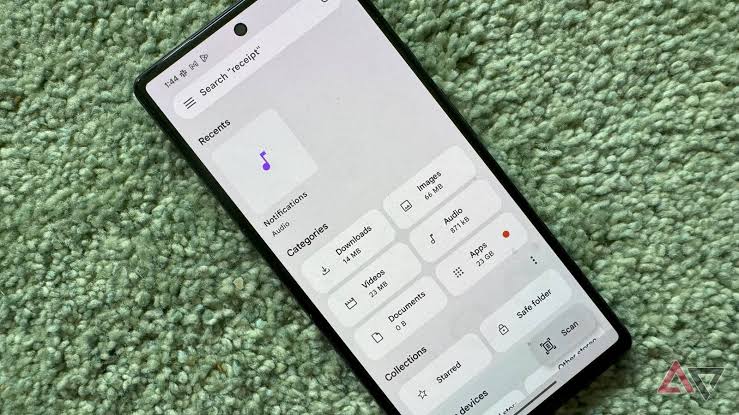
    For many people, the best fit is plain and practical: local storage, SD card access, downloads, basic archives, and a folder view that does not fight you. I would start with well-known Android file managers such as Files by Google, Solid Explorer’s free trial limitations if you are only comparing, Amaze File Manager, X-plore File Manager, and File Commander’s free tier.

    But “best” depends on the job. Someone who only wants to move PDF files from Downloads to Drive does not need dual-pane power tools. Someone else may manage a microSD card, unzip archives, and send folders to another device; that person cares about a different set of features. Simple apps reduce setup and risk. Stronger tools bring more control — and often more extras you will never touch. Pick your poison.

    My own short list would break down like this:

    • Files by Google for quick cleanup, search, and straightforward folder access.
    • Amaze File Manager for a lighter open-source style app with a familiar layout.
    • X-plore File Manager if you want dual-pane file handling and more control.
    • File Commander if you like a guided interface and are willing to sort through free-tier prompts.
    • Total Commander if you want a classic file-management workflow and do not mind an old-school look.

    A free APK is the wrong choice if you want a polished cloud-first dashboard more than a file manager. Also wrong: a “phone booster” dressed up as storage software. Those tools usually spend more energy on promotions than on moving files. Junk with a shiny badge. No thanks.

    What does a free APK file manager actually need to do?

    Best Free APKs for File Manager Apps on Android

    A solid free APK file manager should open local storage, SD cards, USB OTG drives, and APK packages without making basic tasks feel buried. At minimum, I would expect browse, copy, move, rename, delete, search, share, and archive handling for ZIP files.

    APK handling matters because Android users often store installation packages in Downloads or a backup folder. You should be able to see the file name, size, and location clearly. And the app should not tempt you into thinking a random APK is safe just because it opens it. Installing APKs from outside the Play Store still carries Android security risks, so if you are unsure about a package, consult a security professional or trusted IT support and verify the source first. Google’s guidance on unknown app installs is a good starting point.

    Here is the short version of what matters most:

    • Search speed: if the app cannot find “invoice” or “IMG_2025” quickly, it loses value.
    • Storage access: internal storage and SD card support are standard expectations.
    • Archive support: ZIP is the common baseline; rarer formats are a bonus.
    • USB OTG: useful if you plug in flash drives, card readers, or camera storage.
    • APK visibility: you want a file manager that handles the package file cleanly, even if it does not install it itself.

    The trade-off against the obvious alternative — using the phone’s built-in Files app — is control. Built-in tools are usually safer and simpler, but they may be weak on multi-window work, batch renaming, or deep folder navigation. If you only need to delete a few old screenshots, the default app is enough. If you manage a messy Downloads folder every week, a better file manager saves time. Google says Files by Google has over 5 billion downloads on Android, which shows how common the simpler route is.

    Best free APK file manager apps on Android

    A free APK file manager app works best when it matches your storage habits, Android version, and tolerance for ads. I would sort the free options into three buckets: simple, power-user, and classic.

    Simple and clean
    Files by Google: best for users who want file browsing plus storage cleanup without a steep learning curve.
    Amaze File Manager: a good choice if you want a lighter interface and open-source feel.

    Power-user tools
    X-plore File Manager: strong if you like dual-pane navigation, which is especially useful when copying between internal storage, SD card, and USB.
    Total Commander: practical for batch actions and people who already know the old desktop-style workflow.

    Middle-ground apps
    File Commander: easier for some users to understand at a glance, but the free version may push more prompts than minimalist tools.
    MiXplorer-style alternatives: often praised in Android circles, but availability and packaging can vary, so I would treat these cautiously and verify the current source before installing.

    I would stay cautious with “free APK” download sites that bundle modified apps. The risk is not just malware. Stale code, broken signatures, and odd permission requests show up too — and none of that belongs in a file manager. If an app is supposed to help you manage files, why would it need odd access to contacts, SMS, or unnecessary device admin permissions?

    For many Android phones in 2026, the practical choice is one of the established file managers above, installed from a trusted source. If you rely on APK files because you sideload apps, avoid anything that looks like a repackaged “pro unlocked” version. That is where people get burned. Every time.

    What do free file manager APKs cost in real life?

    A free file manager can still cost you time, storage, battery, and attention, even when the download itself is free. Usually, the biggest real-world cost is friction: ads, upgrade nags, duplicate features, or permission prompts that slow you down every week.

    Here is a practical cost table for common free file manager types:

    File manager type What you get for free Typical real cost in use Who it suits
    Minimal file browser Browse, copy, move, delete, search Low frustration, few extras People who want simple storage work
    Ad-supported free tier Basic file actions plus prompts 1–3 extra taps per task, sometimes more Users who do not mind interruptions
    Dual-pane power tool Faster side-by-side moves and bulk actions Slightly steeper learning curve People moving files often
    Built-in Android Files app Core browsing and cleanup Least setup, fewer advanced tools Casual users and one-off tasks
    Open-source manager Lightweight interface, fewer gimmicks May need manual setup for niche features Users who want control and restraint

    The hidden cost is permissions. A file manager should not ask for more than it needs. On Android 11 and later, storage access is handled more carefully through scoped storage, so some older apps may feel clunky or incomplete. That is not always the app’s fault; it is part of Android’s security model. Google’s storage guidance explains why older broad access no longer works the same way.

    This is where pricing matters indirectly. A free app supported by ads may annoy you more than a one-time purchase app, but I am not inventing a price list here because app pricing changes constantly. If you are deciding today, ask a better question than “free or paid?” Ask this instead: how much interruption am I buying with the free version?

    How Android 11, 12, 13, 14 and 15 change file manager behavior

    Android’s storage rules are tighter now, and that changes which file managers feel useful. On newer Android versions, apps may lose the old broad access they once had, especially around app-private folders and certain restricted directories.

    The practical result is plain: a file manager that felt powerful on Android 9 may feel cramped on Android 14 or 15. If you have a Samsung Galaxy, Pixel, OnePlus, or Motorola phone running a recent Android build, the app must work with scoped storage, not against it. That affects how easily you can reach folders, how archives are handled, and whether the app can browse every corner of the device. Google’s Android storage documentation and privacy changes for Android 11 are the main references here.

    With SD cards, the effect is stronger. Many phones still support microSD storage, but access rules can vary depending on the manufacturer skin and Android version. Samsung’s One UI, for example, often exposes storage more clearly than some heavily customized Android builds, but the file manager still has to follow Android’s permissions.

    What matters most here is not a benchmark score. It is whether the app works inside Android’s storage framework without constant failures. If a file manager claims to “unlock everything,” I would be skeptical. Android limits some access on purpose for privacy and security.

    So I would not pick a file manager just because it has the most buttons. A simpler app that survives Android’s storage rules is often better than a flashy one that falls apart after an OS update. That math stops working fast.

    How do I choose a safe free APK file manager?

    I choose a safe free APK file manager by checking the source, the permission list, the update pattern, and whether the app stays focused on files. That is more reliable than chasing star ratings alone.

    My safety checklist is short:

    1. Install from a trusted source. The Play Store is usually the safest route for most users.
    2. Check permissions. A file manager should need file access and maybe network access for cloud features. It should not need suspicious extras.
    3. Avoid repacked APKs. If a site says “mod,” “premium unlocked,” or “no ads” in a way that ignores the original developer, I would skip it.
    4. Look for recent maintenance. A file manager that has not been updated for years can fail on Android 13 or 14.
    5. Read the app’s actual job. If the app has a cleaner, booster, or battery-saver pitch first and file management second, it is probably not the one I would trust.

    For people in crowded metro areas like Chicago, Dallas, Phoenix, or Los Angeles, one extra habit helps: make sure the app supports offline file operations cleanly. Cell service is not the issue here; a file manager should not depend on a network connection for basic local storage work. That sounds obvious, but some free apps push cloud sign-in hard enough to get in the way.

    The people who should skip free APK managers altogether are those who only need to open one folder occasionally. The built-in Files app or the native file picker may be enough. Also, if you are handling sensitive work documents, a simpler app with fewer ads may be the better choice even if it lacks bells and whistles. Honest trade-off.

    What should I expect on a same-day fix, and when is a file manager enough?

    A file manager is enough when the problem is organization, not device repair, and most folder tasks take 2 to 10 minutes once you know where the files live. If your phone is full, a good app can clear space fast; if the files are missing, it cannot perform magic.

    A few examples make that distinction clearer:

    • If your Downloads folder is stuffed with old APKs and screenshots, a file manager can sort that out in minutes.
    • If Android says storage is corrupted, a file manager may help you back up visible files, but it will not repair a damaged partition.
    • If an APK will not install, the file manager can confirm the file is there, but it cannot make a broken package valid.
    • If you need to move files between internal storage and an SD card, a dual-pane app can save time immediately.

    This is where service-area thinking applies in a practical sense. People in places with heavy commuting and low free time—say, Brooklyn, Queens, Jersey City, or Newark—usually want the fastest route to “find, move, finish.” In suburban areas around Atlanta, Houston, or Seattle, the same app may be used more for home media cleanup and local backups. The app does not change by neighborhood, but the urgency does.

    If you need emergency help because a file is gone, a file manager is not the same thing as data recovery. Once deletion is permanent, the next step may be backup tools or a recovery specialist, not another browsing app. Plain and simple.

    Free APK file managers near me: what should I ask before installing one?

    Ask whether the app supports your Android version, whether it handles SD cards and APKs cleanly, and whether it can do the 3 or 4 tasks you actually repeat every week. That is the only sane filter.

    If you are comparing options on a phone with limited space, ask these exact questions:

    • Can it open ZIP files and APK files?
    • Does it work on Android 12, 13, 14, or 15?
    • Does it support USB OTG if I plug in a flash drive?
    • Does the free version show ads or push upgrades constantly?
    • Can it search by filename fast enough to be useful?

    For readers in larger service areas such as San Diego, Philadelphia, Austin, or Charlotte, “near me” usually means “what works on my exact phone right now,” not a physical storefront. That is why I keep coming back to compatibility and permissions. A file manager is one of those apps where the wrong choice does not just waste time; it can make every future cleanup task more annoying.

    If you want the shortest answer from me: pick a trusted free file manager that is simple first, powerful second, and honest about its limits. Skip modified APKs. Skip apps that hide the file tools under a pile of boosters. And if your real problem is recovery, not browsing, use a recovery specialist instead of expecting a file manager to do a different job.

    FAQ: Best Free APKs for File Manager Apps on Android

    What is the safest free file manager APK for Android?
    The safest choice is usually a trusted app from the Play Store, not a repackaged APK from a download site. Safety depends more on the source and permissions than on the label “free.”

    **Can a

  • Best Free APK Downloads by App Category — The Complete Guide

    Best Free APK Downloads by App Category — The Complete Guide

    Last updated: September 10, 2026

    Key Takeaways

    • Compare SHA-256 character for character when the developer publishes it.
    • About 10 minutes per app, if you keep moving. That pace catches the mistakes that turn “free download” into a cleanup job.
    • A clearly presented page can take less than 5 minutes to check, but security-sensitive apps deserve a slower look; verify the source carefully, and consult a professional or trusted IT/security resource if anything seems off.
    • The catch? The most useful free communication app may not be the prettiest.

    Start with the category, then ask a blunt question: do you need the app at all? The answer changes the source you should trust, and it changes how much risk you can live with. I wrote this free APK downloads by app category — complete guide for Android users who already know what an APK is, want free apps in that format, and need a practical way to sort entertainment, productivity, communication, utilities, and open-source apps without stumbling into malware, modded builds, or broken mirrors.

    What “free APK downloads” really means, and who this guide is for

    Best free APK downloads by app category — The Complete Guide

    Free APK downloads by app category — complete guide means Android app installers you can get without paying up front, but “free” can point in several directions: genuinely open-source apps, ad-supported apps from the Play ecosystem, developer-distributed beta builds, or repackaged files from third-party sites. I’m using this free APK downloads by app category — complete guide as a filter for legitimate, category-appropriate APKs and a way to dodge downloads that look free but cost you in privacy, stability, or account safety; if you are unsure about the security impact of sideloading, consult a professional or trusted Android security resource.

    This is for people who can already sideload an APK, know where Android settings live, and want a cleaner choice than “search the web and hope.” It assumes you have an Android device running a modern version with app installation controls, and that you can compare app permissions, file signatures, and update cadence. Don’t know how to enable “install unknown apps” for a specific browser or file manager? Learn that first before installing anything outside an official store. For Android installation basics, see Google’s own help pages on app permissions and unknown app installs: https://support.google.com/android/answer/7579395 and https://support.google.com/android/answer/9431959.

    Paid apps “unlocked” for free are not part of this. Nor are cracked subscriptions or modified APKs. Wrong tool. They commonly break login flows, fail safety checks, or bundle adware. If your goal is to save money on a paid app, the honest routes are a free equivalent, an open-source replacement, or the developer’s own free tier. That trade-off matters more than the word “APK.”

    A simple rule helps: the less trusted the source, the more the category matters. A calculator or image converter has a smaller blast radius than a banking companion, password manager, or MFA app. Same package format. Very different consequences. For security-sensitive tools, I’d rather point you to a trusted app store listing or the developer’s own release page than a random mirror. The source matters as much as the file.

    Which app categories are the safest places to look?

    The safest places to look for free APK downloads are categories with lower permission needs and simpler workflows: open-source utilities, offline tools, media players, note-taking apps, and plain productivity apps. That doesn’t make every app in those groups safe; it just gives you a better first filter than “popular” or “top rated.”

    Here is how I would sort them:

    • Utilities and system tools: File managers, QR scanners, clipboard tools, launchers, text editors, backup tools. These are usually easiest to judge because the behavior is visible. A file manager asking for contacts access? Red flag.
    • Productivity: Note-taking, to-do lists, PDF readers, scanners, calendar helpers. Good choices here usually have a straightforward permission profile and clear export options.
    • Media and entertainment: Music players, video players, podcast apps, comics readers, recipe readers. These show up often as APKs because they may not need a store account, but the risk is a fake “premium unlocked” build. I would skip modified media apps entirely.
    • Communication: Messaging, email, calling, and community clients. These need extra care because they touch identity, notifications, and contacts. A free APK from the developer is one thing; a third-party rebuild is another.
    • Open-source and privacy tools: Browsers, password managers, note apps, feed readers, calendars, and privacy utilities. These are often a strong place to begin for free APKs because the code, issue tracker, and release history can be inspected.
    • Games: Plenty of free APKs are legitimate, but games are also where ad fraud, cloned builds, and obfuscated packages turn up most often. I’d be selective here and favor official developer releases.

    I would be most cautious with banking, payments, health trackers tied to personal records, authenticator apps, and anything that handles government IDs. A category can be “free” and still be a terrible sideload. Once an app holds account access or two-factor codes, source integrity beats price every time.

    Want a practical shortcut? Start with open-source repositories, the developer’s own site, or a known app distribution channel for that category. If the only copies you can find sit on mirror sites with generic descriptions and no release history, I’d pass. Usually, that means the package itself is not the product; the wrapper is. For broader Android safety guidance, Mozilla’s Android privacy resources and Google Play Protect documentation are useful references: https://foundation.mozilla.org/en/privacynotincluded/ and https://support.google.com/googleplay/answer/2812853.

    How do I choose a free APK without getting burned?

    Best free APK downloads by app category — The Complete Guide

    I choose a free APK by checking five things in order: source, signature, permissions, update history, and category fit. Roughly 10 minutes per app, if you move steadily. That routine catches the mistakes that turn “free download” into a cleanup job.

    For a quick pass on free APK downloads by app category — complete guide, begin with the developer’s own release page or a trusted distribution source. Open the listing and verify the developer name, package name, and release notes. You want the exact package identifier, not just a matching icon or title. If the app says version 3.4 but shows no changelog or release date, treat that as a warning sign.

    1. Start with the developer’s own release page or a trusted distribution source. Open the app’s listing and verify the developer name, package name, and release notes. You want the exact package identifier, not just a matching icon or title. If the app claims to be version 3.4 but the page shows no changelog or release date, that is a warning sign. For release verification, compare the listing to the developer’s own site or repository and, if possible, a known source such as the Android Developers documentation on app signing: https://developer.android.com/studio/publish/app-signing.
    2. Check whether the APK is single-file or split into App Bundle components. A plain APK is one file; a split install may use APKM, XAPK, or multiple package files. Verify the download format before you install. If the source cannot explain the format, or the file name does not match the installer type, stop there.
    3. Review permissions against the category. A calculator should not need contacts, SMS, microphone, or location. A note app may need storage access; a music player may need media file access. If an app wants broad access that does not match its job, the permission request itself is the problem, not your settings menu.
    4. Look for update cadence and compatibility. Check whether the app has recent releases and whether it supports your Android version. If a tool has not been updated in 18 months, it may still work, but you should expect breakage on newer Android builds or when app permissions change.
    5. Confirm the source signature or checksum when the publisher provides one. A checksum is a hash value used to verify that the file was not altered. If the developer publishes SHA-256, compare it character for character. A mismatch means the file is not the one the developer intended you to install.
    6. Check for login or account dependence. Some “free” apps are only free until they ask you to create an account, accept a trial, or connect cloud storage. That is not automatically bad, but it changes the cost in practice. If the app can’t do its core task offline and you do not want an account, it is the wrong choice.
    7. Install with the minimum permissions first, then expand only if the app breaks. On Android 12 and later, permissions can often be granted in steps. Start narrow. If a scanner app fails without camera access, that is expected; if it asks for contacts, that is not.
    8. Verify the first launch behavior. The app should open to its core function, not an ad wall, a fake system alert, or an aggressive sign-up screen. If the first screen looks like a browser redirect or a prompt to install another app, close it and remove the package.

    The trade-off is time against certainty. Move faster, and you lean on trust. Go slower with a checklist, and you avoid the classic mistake of installing the right-looking app from the wrong publisher. For low-risk apps, I’m fine with a clean developer site and a sensible permission set. For security tools, I want a direct release page, a known checksum, and a clear update history. For more detailed Android verification steps, OWASP’s Mobile Application Security Verification Standard is a useful reference: https://mas.owasp.org.

    Best free APK downloads by app category

    The best free APK download in any category is the one that matches the job, uses the fewest permissions, and has a credible release path; there is no single winner across categories. I would sort the field by function first, then by source trust, then by how much data the app needs to do its job in the context of free APK downloads by app category — complete guide.

    Productivity: note apps, task lists, PDF tools, and scanners

    Productivity is the easiest category to get right because the core job is simple and measurable. A note app should open quickly, save text offline, and export in a standard format such as TXT, Markdown, or PDF. A task app should sync only if you want sync. A document scanner should capture legible pages without demanding your contacts list.

    For this category, I prefer apps that support local storage and export. If you change phones often, an export path matters more than a fancy theme. Open-source helps here — not because open source magically makes an app safe, but because it lets the community inspect what the app actually does. Good candidates usually have a small permission footprint: storage, camera for scan apps, and perhaps notifications for reminders. If you are comparing note and scanner options, an open-source project page such as GitHub or GitLab can help you review release notes and issue history before you install.

    The biggest drawback is feature bloat. Many free productivity apps push cloud accounts, AI features, or collaboration layers that most solo users never need. Need a plain note pad? Don’t install a full workspace suite. The lighter app is usually better, faster, and easier to trust.

    Media: music players, video players, podcast apps, and readers

    Media apps are worth a look because many good ones are free and available as APKs outside the Play Store. The job is straightforward: play local or streamed media cleanly. A solid media app supports common codecs, remembers playback position, and doesn’t force an account for basic use.

    I’d be wary of “premium unlocked” media APKs. They are one of the most common disguises for malware and ad injection. If an app normally costs money, the free file on a mirror site is usually the wrong copy. The honest alternative is a free player, a library from the developer, or an open-source media tool. For video, that often means a player that handles MKV, MP4, and subtitle files without forcing a proprietary backend. For media cataloging and codec support, the VideoLAN VLC project is a good example of a widely documented player with public release information: https://www.videolan.org/vlc/.

    The trade-off is straightforward: convenience versus control. Streaming-first apps can be easy, but they tie you to logins and server policies. Local players are less glamorous; they last longer and ask for less. For readers who keep media offline or on removable storage, I’d pick a local-first player every time.

    Communication: email, messaging, and calling clients

    Communication is the category where “free” can become expensive very quickly, because the app sits on top of your identity. A messaging client might look harmless on paper, but if it touches SMS, contacts, device identifiers, or notifications, weak sourcing can cause real harm. That is why I would narrow this category to trusted publishers, known open-source projects, or the official app from the service provider.

    A good communication APK should explain exactly what protocol it uses: IMAP/SMTP for email, XMPP or another defined standard for chat, or the platform’s own API. “Private messenger” is marketing. Protocol names are evidence. If you use an email client, check whether it supports app-specific passwords or modern sign-in methods, because older clients fail in predictable ways when providers tighten authentication. For free APK downloads by app category — complete guide, this is one place where the source and the protocol matter more than the interface.

    The most useful free communication app may not be the prettiest. Some privacy-first clients look plain and may lack rich features like bundled calendars or advanced search. That is the price of keeping the app narrow. For messaging and email, I’d rather have plain and auditable than polished and opaque.

    Utilities: file managers, launchers, QR scanners, backup tools

    Utilities are where free APKs can shine, because many of these apps have a narrow job and low overhead. A file manager should browse internal storage and SD cards cleanly. A launcher should start apps and organize the home screen. A QR scanner should open the camera, decode a code, and show the result without asking for your phonebook.

    This category rewards restraint. Add a feed, a shopping tab, or a “smart assistant,” and I get skeptical fast. Tools should reduce friction, not create a new ecosystem. The best free APKs here often come from small developers who care about one workflow and leave it there.

    The honest limitation is longevity. A tiny utility can disappear faster than a major app. If you depend on it, keep the APK and a checksum copy of the release page in case the original source changes. That is especially useful for launcher and backup tools, where settings migration can be annoying.

    Open-source and privacy tools

    Open-source and privacy tools are usually the strongest category for free APK downloads because they give you more ways to verify what you are getting. The code may be public, the release tags may be signed, and the project may explain exactly what data it collects. That doesn’t make every project trustworthy, but it does improve the odds.

    Typical examples include browsers, password managers, feed readers, calendars, and encryption-related utilities. For a password manager, I would only consider one with a strong security reputation, modern encryption, and a clear update record. For a browser, I would care about tracking protection, extension support, and whether the APK comes from the project itself rather than a repackager. For privacy-focused app selection, the EFF and Mozilla both publish practical guidance that can help you compare data collection claims: https://www.eff.org/pages/tools and https://privacyguides.org/.

    The trade-off is polish. Open-source apps can lag in UI polish, have fewer integrations, or lack proprietary sync. If you need deep compatibility with a vendor’s ecosystem, a privacy-first APK may not be the best fit. But if your priority is control, transparency, and low permission creep, this is the category I would start with.

    Games and entertainment

    Games are popular free APK downloads, but they are also where I would be the most selective after communication apps. A legitimate free game can be fine. A modified APK with unlimited coins, ads removed, or premium assets unlocked is another story. Those files are often repackaged and may be the easiest place to get tricked by a fake download button.

    If you want a free game, I’d look for the developer’s own APK release, a known open-source game, or a distribution channel that clearly names the publisher. Check storage size, graphics requirements, and whether the app needs network access. A small offline puzzle game should not need SMS, contacts, or microphone access. If it does, walk away.

    The trade-off here is simple: simplicity versus monetization. Free games often rely on ads or in-app purchases. That is normal. What is not normal is a third-party APK promising to remove all monetization while asking for broader permissions than the original app. I would treat that as a hard stop.

    What should I check before installing an APK?

    Before installing, I check the file source, Android version fit, permissions, and whether the package name matches the app’s official identity. Less than 5 minutes, if the page is clear. For sensitive apps, slow down and consult a professional or trusted security resource; that avoids the common failure of installing the right-looking app from the wrong publisher.

    First, confirm the file type. APK is a standard Android package; APKM and XAPK are container formats that may include split APKs and extra assets. If your installer does not support the format, don’t guess. Use the correct installer or a source that provides a plain APK. A bad format match usually shows up as an install error, missing resources, or a partial app launch.

    Second, check the Android version requirement. If an app needs a newer API level than your device supports, it may install and still crash. The app page should show a minimum Android version or SDK target. If it does not, I’d be suspicious. File size helps a little, but not much; a tiny APK can still be fine, and a huge one can still be junk. That’s the trap.