Blog

  • Best Free Android Apps Similar to Popular Paid Apps

    Best Free Android Apps Similar to Popular Paid Apps

    Last updated: September 10, 2026

    Key Takeaways

    • If a paid app saves you more than 10 minutes a week, it often earns its keep.
    • Free alternatives can work well when you only need a small subset of features and can tolerate a few ads.
    • Free works best for light edits, comments, and read-only review.
    • Broad category. Broad rules.

    Free Android apps similar to popular paid apps can cover a lot of the same ground, but the right choice depends on what you need most: fewer ads, offline use, stronger privacy, or a cleaner interface. I would choose a free substitute only when I can live with one of those trade-offs, because “free” usually means you pay with ads, limits, or a smaller feature set. In plain terms, the hunt for free Android apps similar to popular paid apps is really a hunt for the best compromise.

    Which free Android apps are the best stand-ins for paid apps?
    Best Free Android Apps Similar to Popular Paid Apps

    The best free Android apps similar to popular paid apps are the ones that match the job, not the brand name: a note app that syncs well, a scanner that exports PDF cleanly, a file manager that handles ZIPs and network storage, or a music player that supports local files without shouting at you every 30 seconds.

    Broad? Yes. The category is broad. A free app can be a strong replacement for a paid app if the paid app’s value comes from one or two features you do not need. But it is a weak swap if the paid app’s value is tied to advanced sync, collaboration, automation, or ad-free workflows. That math stops working fast.

    Here is the short version I would use:

    • For note-taking, look at free apps that support Markdown, offline access, and cloud sync.
    • For document scanning, a free app is often enough if it exports PDF and can crop pages cleanly.
    • For password management, free Android apps are usually fine only for basic single-device use; cross-device sync is where paid plans often matter.
    • For photo editing, free alternatives can cover cropping, color correction, and filters, but heavy batch work or one-tap premium presets are usually where paid apps stay ahead.
    • For file management, free tools often beat stock phone apps on archive support, storage analysis, and folder cleanup.

    Paying for the app is the obvious alternative. Sometimes, that is the cleanest move. It makes sense when your time is more expensive than the subscription, or when you use the app often enough that ads and limits start bleeding into the routine.

    What do I give up when I choose a free app instead of a paid one?

    Usually, one of four things goes missing: no ads, no limits, stronger privacy controls, or advanced features.

    The trade-off looks different by category:

    • Ads and upsells: Many free Android apps earn through banners, full-screen interstitials, or nag screens after export. If you use the app 10 times a day, those interruptions matter.
    • Feature caps: Some free apps limit OCR pages, cloud sync, export formats, themes, or backup history.
    • Privacy controls: Paid apps sometimes justify their cost by reducing tracking or offering better account-free operation.
    • Speed and polish: A paid app may have fewer bugs, faster support, and better long-term maintenance.

    Similar is not equal. That is the heart of it. Similar means it solves the same problem. Equal means it solves it with the same comfort level, and that is rarer.

    I would avoid a free substitute for anything mission-critical if the app handles:
    – passwords,
    – work documents,
    – medical files,
    – accounting,
    – or anything you would hate to lose after an Android update.

    For those jobs, the hidden cost is not the app price; it is the cleanup after a bad sync, a broken export, or a failed restore. Messy. Expensive, too.

    Free Android apps similar to paid note, scan, and office apps
    Best Free Android Apps Similar to Popular Paid Apps

    The best free replacements here are the ones that do one job well and do not force a desktop account just to open a note.

    For note-taking, a free Android app is a good substitute for paid note apps when it offers:
    – offline notes,
    – folder or notebook structure,
    – Markdown support,
    – search,
    – and export to TXT, Markdown, or PDF.

    That makes it useful for meeting notes, class notes, grocery lists, and quick drafts. It is not a full replacement for a paid app if you need rich collaboration, deep tagging, advanced templates, or synchronized attachments across several devices. Personally, I’d rather have fewer bells and whistles than a tool that nags me for an account every time I open it.

    For document scanning, free apps are often close enough to paid ones if you just need:
    – auto edge detection,
    – crop and perspective correction,
    – OCR on a few pages,
    – and PDF export.

    The usual trade-off is watermarking, page limits, or a weaker OCR engine. When you scan contracts or receipts once in a while, a free app is often the practical choice. If you scan large stacks every week, a paid app can save time because it usually cuts cleanup and export friction. Little things pile up.

    For office-style file editing, free Android apps that open DOCX, XLSX, and PDF can handle quick edits, but they are not a substitute for serious spreadsheet work. Should the file have formulas, tracked changes, or formatting that must survive intact, I would not trust a free mobile editor alone.

    This category is where the paid alternative still makes sense for people who commute with documents in hand and need exact formatting. Free works best for light edits, comments, and read-only review.

    Free Android apps similar to paid photo and video editors

    The best free Android apps in this category are fine for everyday edits, but they usually stop short of the shortcut-heavy tools paid creators like.

    For photo editing, a free app can often replace a paid one for:
    – cropping,
    – rotating,
    – exposure correction,
    – basic color work,
    – background blur,
    – and simple filters.

    That is enough for social posts, family photos, resale listings, or thumbnails. It is not enough if you want batch processing, layered edits, premium presets, or very fine control over masks and retouching.

    For video editing, free apps can be surprisingly capable for trimming, captioning, and short-form clips. The catch is export time, watermarking, and the tendency to hide the best transitions, audio tools, or high-resolution export behind a paywall. Should you only cut a 15-second clip for a message or a social post, a free app is usually fine. When you make regular edits, the time spent around limitations can exceed the price of the paid app.

    My rule is simple: if the app is part of your income, I would be wary of a free version that exports with a watermark or compresses aggressively. A hobby project can live with that. Client work usually cannot.

    What free Android apps are close to paid password, file, and utility apps?

    The closest free substitutes are often in utilities, but this is also where I am most cautious.

    For password managers, a free Android app can work for basic storage on one device, but the moment you need multi-device sync, family sharing, emergency access, or password health reports, paid plans become more realistic. Password tools are not the place to chase the cheapest option. When a free tier is limited, it is usually limited for a reason.

    For file managers, free apps can absolutely replace paid ones for:
    – browsing local storage,
    – ZIP and RAR archives,
    – sorting large downloads,
    – moving files to SD cards where supported,
    – and cleaning duplicate clutter.

    That makes them useful on phones like Samsung Galaxy, Pixel, OnePlus, and Motorola models that ship with decent storage but still fill up fast with camera files and app caches. A paid file manager only becomes necessary if you need network shares, cloud mounting, advanced automation, or more polished batch tools.

    For battery and phone utility apps, I would be careful. Free Android apps that promise dramatic battery improvements, RAM boosts, or one-tap speedups are often the least trustworthy category. Android already manages memory fairly aggressively on modern versions, so a “booster” app is often fixing a problem that does not exist. I’d skip that class entirely unless there is a clear, specific job the app performs, such as controlled charging alerts or storage cleanup you understand.

    How much do free Android app substitutes cost in practice?

    Usually, the cost is time, attention, or privacy rather than money.

    A free app can cost:
    – 15 to 30 seconds of ad time at launch,
    – extra taps to dismiss upsells,
    – a slower export workflow,
    – or a weaker backup story if the app is account-based.

    If you use an app once a week, that is tolerable. When you use it 20 times a day, it becomes annoying fast. Some tools feel “good enough” on paper and exhausting once you actually live with them.

    Here is the practical cost table I would use when comparing free substitutes to paid apps:

    App category What the free app usually covers Common limits When paid is worth it
    Notes Basic text notes, folders, search Sync limits, ads, fewer export options You need reliable cross-device sync or collaboration
    Scanner Crop, PDF export, OCR on some pages Watermarks, page caps, weaker OCR You scan often or need clean archiving
    Photo editor Crop, filters, exposure, resize Ads, fewer tools, no batch export You edit a lot or need precision
    Video editor Trim, cut, captions, simple transitions Watermark, export caps, slow renders You publish often or need professional output
    Password manager Basic vault on one device No family plan, limited sync You need cross-device access and recovery
    File manager Browse, move, unzip, delete clutter Fewer network/cloud tools You manage large storage or remote shares

    The exact dollar amount changes too often to pin down responsibly, so I would judge by workflow, not by sticker price. If a paid app saves you more than 10 minutes a week, it often earns its keep. If it does not, the free version may be the smarter move. Simple.

    How do I vet a free Android app before I trust it?

    I check the permissions, the update history, the export options, and whether the app is trying to solve more than one problem.

    A free app is worth considering when it has:
    – a clear purpose,
    – recent updates,
    – no strange permission requests,
    – transparent export and backup options,
    – and a privacy policy that actually matches the app’s job.

    I would be skeptical of any free Android app that asks for contacts, SMS, accessibility access, or location when the feature does not obviously need them. An alarm clock does not need your contacts. A photo cropper does not need SMS. Odd mismatch. Big warning.

    I also pay attention to how the app handles leaving. Can you export your notes to Markdown? Can you save scans as PDF? Can you move your files out cleanly? If the answer is vague, the app may be free to enter and expensive to escape.

    For readers in apartments, coworking spaces, or anywhere on shaky public Wi-Fi, I would favor apps that work offline at least part of the time. That matters more than a fancy cloud promise. A tool that opens instantly on a train platform is better than a prettier one that waits on a server.

    If you are in a place like Brooklyn, Jersey City, Queens, or Newark and you rely on a phone while commuting, offline-first matters even more. A dead signal on a platform is not a rare edge case; it is part of the operating environment.

    What should I avoid when choosing a free alternative?

    I would avoid anything that looks free but behaves like an ad network with a side project.

    The biggest red flags are:
    – fake “cleaner” apps that promise to speed up the phone,
    – note apps with no export path,
    – scanner apps that watermark every page,
    – video editors that hide the resolution setting behind a paywall,
    – and password apps with unclear sync or recovery.

    Another red flag is a free app that imitates a paid app too closely but lacks the same company’s support or track record. Similar icons and screenshots do not mean similar reliability.

    This is where the obvious alternative, buying the popular paid app, can be the right call. If you need the app for client deadlines, school submissions, or anything with a hard deadline, I would not gamble on a free substitute unless it has already proven it can do the exact job you need.

    Are free Android apps good enough for daily use?

    Yes, if your needs are basic and you can live with ads, limits, or fewer export options. For notes, scanning, file cleanup, and light editing, a free app is often enough. For passwords, heavy editing, or work files, I would be more selective.

    Which free Android apps are closest to paid apps without ads?

    Very few are truly ad-free, and that changes often. The safest path is to look for open-source or one-time-purchase-style apps with a free tier, then check whether the app can export your data cleanly. I would trust export and offline support more than a glossy feature list.

    Can I use free Android apps for work?

    Yes, but only for low-risk tasks like quick notes, rough scans, and simple file moves. I would not use a free app for sensitive documents, password storage, or anything that needs guaranteed uptime and support.

    What is the safest way to switch from a paid app to a free one?

    Export your data first, confirm the free app accepts the same file type, and keep the paid app installed until you know the free one covers every task you actually do. If export is awkward, that alone is a reason to stay with the paid tool.

    Do free apps on Android work offline?

    Some do, and those are the ones I prefer. Offline support matters most for notes, file managers, and scanners. If the app cannot do anything without a network connection, I would treat that as a limitation, not a minor inconvenience.

    For app policy and privacy checks, I would also look at the official guidance from the Google Play Help Center and the Android Developers privacy documentation before trusting any tool with sensitive data. For app quality and safety, the Google Play policies are also worth reviewing.
  • Best Free APKs for Messaging Apps on Android

    Best Free APKs for Messaging Apps on Android

    Last updated: September 10, 2026

    Key Takeaways

    • After 12 months of silence, I assume bug fixes and security patches may be behind.
    • A straightforward install usually takes about 3 to 10 minutes; backups or a move from another app can stretch that.
    • Signal APK : best when privacy matters more than reach.
    • Telegram APK : best for large groups, broadcast channels, and fast multi-device use.

    Comparing free APKs for messaging apps on Android? Start with the boring choice. It is usually the right one. Pick the app you can keep using every day without updates breaking it, battery draining too fast, or your contacts needing to switch. In practice, the best free APK is the official app from the developer, installed from a source you trust, and matched to your phone’s Android version — not the flashiest “mod” you can find. For an overview of Android app safety and signing, Google’s guidance on app integrity and device security is a useful place to start: https://source.android.com/docs/security.

    What I mean by “best free APKs” for messaging apps

    Best Free APKs for Messaging Apps on Android

    Best free APKs for messaging apps are free to install, safe to update, and supported by the people you message most. Usually that means the official APK for WhatsApp, Telegram, Signal, Messenger, or Google Messages, depending on who you need to reach and which features matter.

    I would not treat “best” as “most features on paper.” If the choice affects security, consult a professional or follow guidance from the app maker and reputable security sources. A messaging app can look loaded and still be wrong for you if it needs a newer Android build than your phone has, if it pushes contacts into a closed ecosystem, or if it depends on sideloading from sketchy mirrors that may bundle malware. APK convenience is real, but one bad package can mean account lockouts, notification trouble, or a broken install after the next Android security patch. Ouch.

    What job are you actually trying to do? End-to-end encryption for private chats puts Signal in a different category from a carrier-style SMS app. For the broadest reach in the United States, Google Messages with RCS may matter more than another secure messenger, but device and carrier support vary, so consult your carrier or a professional if that choice affects work or compliance. Need large groups, channel-style broadcasts, or file-sharing that works cross-device? Telegram is often the easier fit.

    Here is the trade-off: the more you rely on unofficial APKs, the more you risk update lag, signature mismatches, and trust problems. That makes unofficial builds a bad bet for anyone who needs stable notifications, work chat, or account security.

    Which free messaging APK should I install first?

    Install the app that fits the people you actually message. That is the whole trick. The “best” app is the one your contacts will open at 8:00 a.m. without thinking.

    Here is the practical split:

    • WhatsApp APK: best when your family, clients, or local contacts already use WhatsApp heavily. It is widely adopted in many countries and supports voice, video, group chats, and media sharing.
    • Signal APK: best when privacy matters more than reach. Signal uses strong end-to-end encryption by default for one-to-one and group messages, but it is not the app most people already have.
    • Telegram APK: best for large groups, broadcast channels, and fast multi-device use. The trade-off is that not every chat is end-to-end encrypted by default.
    • Google Messages APK: best if you want SMS, MMS, and RCS in one place on supported Android phones. It is the most practical bridge between old texting and richer chat features.
    • Messenger APK: best if your circle already lives inside Facebook/Meta messaging. The benefit is reach; the drawback is that it is tied to that ecosystem.

    Be cautious with any “lite,” “mod,” or “pro” APK that promises extra privacy or hidden features. If the package is not from the developer or a clearly reputable store source, you are trusting the uploader more than the brand name on the icon.

    Older phones need special care. A handset on Android 8 or 9 may run a current app fine, but some releases will drop support sooner than you expect. If the APK page does not clearly state minimum Android requirements, I treat that as a warning sign; if the choice affects business, privacy, or compliance, consult a professional or the app maker before sideloading. For release and compatibility checks, the app’s official documentation is more reliable than a mirror page. Simple, really.

    How do I tell a safe APK from a risky one?

    Best Free APKs for Messaging Apps on Android

    A safe APK comes from the official publisher, matches the app’s signing certificate, and does not ask for weird permissions that have nothing to do with messaging.

    Source is the first check. The safest path is usually the developer’s own website, the official app store listing, or a reputable distribution channel that preserves the original signature. I would avoid random file-hosting sites, repackaged “premium unlocked” APKs, and any download that asks you to disable Play Protect just to proceed. For Android app verification and install safety, Google’s Play Protect and Android security documentation are worth reading: https://support.google.com/googleplay/answer/2812853 and https://source.android.com/docs/security.

    Then I compare permissions with the job:

    • A messaging app will normally need contacts, microphone, camera, notifications, and storage access for media.
    • It should not need accessibility access, device admin rights, or overlay permissions unless there is a clear, documented feature that depends on them.
    • If an app claims to be a messenger and wants permission to install other apps, I would stop there.

    Version history matters too. A healthy APK page usually shows current release notes, a build date, and a visible update pattern. If the file looks abandoned for 12 months or more, I assume bug fixes and security patches may be behind.

    For encryption claims, I trust documentation from the app maker and independent standards bodies more than marketing copy. The Signal Foundation explains Signal’s protocol and security model on its own documentation pages, and NIST has plain-language guidance on mobile device security that is worth reading before you sideload anything:
    – https://signal.org/docs/
    – https://www.nist.gov/programs-projects/mobile-device-security

    A risky APK is usually easy to spot once you slow down. It offers “all premium features free,” hides the developer identity, or comes wrapped in an installer that wants more access than a messenger needs. That is a hard pass for anyone using the app for bank codes, client communication, or any account recovery you cannot afford to lose.

    What does a free messaging APK cost in practice?

    The APK may be free, but the real bill shows up in data, storage, battery, and the risk of having to migrate later if the app stops supporting your phone.

    Here is the practical cost table I would use for Android messaging apps:

    Option Up-front cost Running cost Main trade-off
    WhatsApp APK Free Data use for calls, media, backups Very broad reach, but tied to a closed ecosystem
    Signal APK Free Data use and device storage Strong privacy focus, smaller user base
    Telegram APK Free Data use and cloud storage for media Great for groups, but encryption model is not the same for every chat
    Google Messages APK Free SMS/MMS or carrier RCS data charges may apply Best bridge from texting to richer chat, but depends on carrier and device support
    Messenger APK Free Data use and notifications Good reach if your contacts already use it, but Meta dependence is the trade-off

    Battery drain catches people off guard. Media-heavy chat, constant backups, and always-on notifications can make any messenger feel heavier on a phone with a small battery, especially a model with 3,000 to 4,000 mAh capacity that is already aging. If you keep huge groups, animated stickers, and voice notes active all day, the cost is less about the download and more about the charge cycle. That math stops working fast.

    Storage is another quiet expense. A messaging app can stay tiny while downloaded photos, forwarded videos, voice notes, and cached stickers grow fast. If your phone has 64 GB total storage and the app is set to auto-download media on mobile data, it can fill up faster than people expect.

    Trying to save money? I would not chase “free” APKs from unofficial sources just to avoid a paid app. Messaging apps are usually free at the download stage already. The bigger bill is the time you lose fixing a bad install.

    What kinds of users should avoid certain messaging APKs?

    People who need audit trails, regulated communication, or family-access simplicity should avoid picking a messenger only because it is popular or privacy-branded.

    I would not choose Signal as the only app for someone whose clients, relatives, or service providers mostly live in WhatsApp or SMS. The secure option is not useful if nobody answers there. I would also not choose Telegram as the sole app for someone who assumes every chat is end-to-end encrypted; that assumption is wrong for many everyday Telegram conversations.

    Google Messages is the wrong answer for someone who wants cross-platform encrypted chat with people outside Android’s core texting system. It is useful, but it is not a replacement for every messenger scenario. Messenger is the wrong choice if you are trying to step away from Meta accounts or if you do not want your identity tied to Facebook infrastructure.

    Unofficial APKs are wrong for anyone who cannot tolerate a reinstall. That includes small-business owners, shift workers, and anyone who depends on two-factor codes arriving on time. If your messaging app is also your recovery channel, a broken sideload can become a real access problem. Not worth the headache.

    How I would choose an APK by situation

    Choose by the least forgiving requirement, not by the prettiest feature.

    • For privacy-first one-to-one chats: Signal
    • For the broadest day-to-day reach in many regions: WhatsApp
    • For big groups, channels, and large media transfers: Telegram
    • For standard texting plus richer RCS where available: Google Messages
    • For Meta-heavy social circles: Messenger

    So, on an older Samsung, Pixel, OnePlus, Motorola, or Xiaomi phone, I would favor the official APK from the developer or a trusted app store over any third-party mod. Android fragmentation is real: a build that runs perfectly on Android 14 may be clumsy or unsupported on Android 10. Marketing copy won’t change that.

    Nearby suburbs and commuter towns matter less to the app itself than to support habits and data coverage. If you are in a city like Austin, Chicago, or Atlanta, weak LTE in a garage or on a train platform can make cloud-heavy messaging feel slow even though the app is “free.” That is why the best APK for one person on Wi‑Fi at home may be the wrong choice for someone in a field job moving through Doral, Jersey City, or the outer metro every day.

    For multilingual families or cross-border groups, I would prioritize whichever app everyone already keeps installed. That often beats any privacy or feature argument by a wide margin. Related guide: see our coverage of Android app safety, secure messaging basics, and official APK downloads.

    How do I install and update a messaging APK without breaking it?

    Install it once. Keep automatic updates on if the source supports them. Do not mix versions from different download sources.

    A clean install usually takes 3 to 10 minutes, depending on whether you are restoring chat history, verifying a phone number, and waiting for media to sync. The part that causes problems is not the download; it is moving from one package source to another while trying to preserve chats and notifications.

    My practical steps are:

    1. Back up chats inside the app if the app supports that feature.
    2. Remove old modded or duplicate versions before installing the official build.
    3. Allow only the permissions the app actually needs.
    4. Verify the package source and developer name before opening it.
    5. After install, check notifications, call permissions, and backup settings right away.

    The biggest mistake is installing an APK from one source, then later updating from a different source that signs the app differently. That can break updates or force a reinstall. It can also lock you out of local chat backups on some apps if the package identity changes.

    If your phone blocks sideloading, that is usually a device security feature, not a bug. I would treat that as a reminder to slow down, not as an obstacle to work around casually.

    FAQs about the best free APKs for messaging apps on Android

    Can I get a free APK for WhatsApp or Telegram safely?
    Yes, if you get the official APK from the developer or another trusted source that preserves the original app signature.

    What is the safest free messaging app APK for privacy?
    Signal is the clearest privacy-first choice, but it is only the best fit if the people you message will actually use it.

    Do free APKs cost money later?
    The app may stay free, but data usage, cloud backups, SMS charges, and storage can still cost you depending on how you use it.

    Is it okay to use modded APKs for extra features?
    I would avoid them. Modded APKs can break updates, create security risk, and violate the app’s terms.

    How long does installation usually take?
    About 3 to 10 minutes for a straightforward install, longer if you are restoring backups or moving from another app.

    If you want the shortest answer, here it is: the best free APK for messaging on Android is the official app that matches your contacts, your privacy needs, and your phone’s Android version. For many people that will be WhatsApp; for privacy-first users, Signal; for group-heavy chats, Telegram; and for SMS/RCS, Google Messages.

  • Best Free APKs for Video Players You Can Download on Android

    Best Free APKs for Video Players You Can Download on Android

    Last updated: September 10, 2026

    Key Takeaways

    • A 1080p H.264 file is usually easy.
    • A free player is only free if you do not spend 20 minutes fighting it.
    • That matters on 32 GB phones and on cheaper Android 12 or Android 13 handsets with limited storage and slower storage chips.
    • For older phones with 2 GB to 4 GB of RAM , I would avoid the heaviest-looking apps and pick something stable and predictable.

    Table of contents
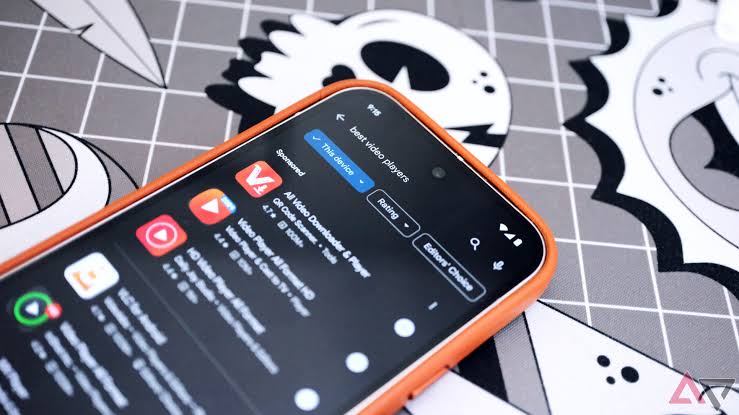
    Which free Android video player APK is actually worth downloading?
    What should a free APK video player handle on Android?
    Best free APKs for video players on Android
    Free APK comparison table: what you give up and what you keep
    How I would choose by phone, file type, and storage
    What goes wrong with free video player APKs?
    How do I safely download a free APK for a video player on Android?
    When should you pick one free APK over another?
    FAQ: free APK video players on Android
    Bottom line: what I would download first

    A free APK for Android video playback usually comes down to a short list of dependable apps. They open local files, handle common codecs like H.264 and H.265/HEVC, and leave basic controls where you can actually reach them. What matters more than “popular” is simpler: will it open your files, keep subtitles readable, and stay out of your way? For a broader guide to Android app safety, see Google’s Play Protect documentation and Android security overview. For file compatibility, VLC’s official features page is a useful reference.

    Which free Android video player APK is actually worth downloading?

    Best Free APKs for Video Players You Can Download on Android

    For most Android users, VLC for Android is the safest first download. It opens a wide range of file types, subtitles behave properly, and it does not need some vendor ecosystem to function.

    Still, the best choice depends on the job. Watching local MP4 files? Want library browsing? Prefer a lighter interface? Then MX Player and XPlayer are common picks, though the free versions usually bring more advertising or a bit of friction. Should your files be mostly MKV, AVI, TS, FLAC audio tracks inside video containers, or downloaded media with external subtitle files, VLC is the plainspoken default.

    Here’s the trade-off, in plain English: free APKs often cost nothing in money and something else in practice. Ads. A busier interface. Fewer advanced controls. Or support that feels a little wobbly. A reader who wants the cleanest free experience should start with VLC. A reader who wants the prettiest library view or gesture-heavy playback controls may prefer another app and accept the clutter.

    On older phones, I would care about app size, background behavior, and whether the player tries to scan every folder on the device. That last part can be a mess. On low-storage phones, even a few hundred megabytes of media cache can matter, so keeping the app light helps.

    What should a free APK video player handle on Android?

    At minimum, a good free Android video player APK should handle four things without drama: common containers, subtitles, audio tracks, and hardware decoding.

    That means:
    Containers: MP4, MKV, AVI, MOV, and often TS
    Codecs: H.264/AVC is common; H.265/HEVC is increasingly common; some files use VP9 or AV1
    Subtitles: SRT, SSA/ASS, and embedded subtitle tracks
    Playback controls: speed change, audio delay, orientation lock, and seek gestures

    Without hardware decoding, an app may still open the file, but battery drain and stutter can start creeping in on midrange phones. So I would not choose based on looks alone. Pretty can be a trap. Android’s media codec docs explain why decoding support matters.

    One thing many generic guides miss: Android video playback is often limited less by the app than by the file itself. A 1080p H.264 file is usually easy. A 4K HEVC file at a high bitrate, with multiple audio tracks and soft subtitles, is a different beast. If your files come from a camera, a screen recorder, or a torrent release with odd encoding settings, the player choice matters more. The VLC FAQ is also useful for checking supported formats.

    Best free APKs for video players on Android

    Best Free APKs for Video Players You Can Download on Android

    The best free APKs are not the flashiest ones. They are the ones that fit the job.

    VLC for Android
    This is the first app I would try for local playback. It is a strong default for broad format support and subtitle handling. It is also a good pick if you move files between a PC, NAS, and phone, because VLC’s behavior is familiar across platforms. The downside is that its interface can feel plain, and the library view is not as polished as some competitors. If you want the least fussy free player, this is the one I would start with.

    MX Player
    Choose this if gesture controls and a library-style experience matter to you. The free version has historically been ad-supported, so the real cost is screen clutter and occasional friction. It may suit a person who watches a lot of downloaded series episodes and wants quick scrubbing or subtitle tweaks. Not my first pick for minimalists.

    XPlayer
    This is a common alternative for users who want a polished Android media browser and simple playback. It usually appeals to people who organize videos on-device rather than streaming from servers. The drawback is the one you keep seeing with free APKs: a more app-like experience that can come with ads and upsell prompts. If interruptions drive you nuts, skip it.

    BSPlayer
    People often land here when subtitle options matter and the interface should stay fairly straightforward. It has been around for years, which matters because video players can get stale when codec support slips. The trade-off is that some advanced features are often reserved for paid layers, so I would not choose it if I needed fine-grained control.

    KMPlayer
    This can work if you want broad format support and do not mind a heavier interface. It is the kind of player that may suit users with lots of mixed media files, including odd file names and older encoded clips. The downside is familiar: free APKs in this category often feel busier than they need to be. A bit of a kitchen sink, honestly.

    Android’s built-in Files/Photos playback
    For some people, this is the right answer, even if it is not a “video player app” in the classic sense. Should you only need to open a clip occasionally, the default Android viewer can be enough. The trade-off is obvious — fewer controls, fewer subtitle options, and less codec flexibility than a dedicated player.

    Free APK comparison table: what you give up and what you keep

    Here’s the practical version of the choice. I am not listing invented prices because free APKs change their monetization often, but the usage cost is real.

    APK / Player Best for Main upside Main drawback
    VLC for Android Broad local playback Strong format and subtitle support Plain interface
    MX Player Gesture-heavy playback Familiar controls and library browsing Ads or feature friction in free use
    XPlayer Simple on-device video library Clean-looking organization Upsells and ad interruptions are common
    BSPlayer Subtitle-focused use Good subtitle handling Some features may be restricted
    KMPlayer Mixed-format collections Wide compatibility feel Heavier interface
    Built-in Android viewer One-off viewing No extra install Limited controls and codec support

    If your files are mostly standard MP4s and you just want them to open, almost any of these will do. Weird files are where the difference shows up. In that case, VLC is the safer bet. That is the simplest honest rule.

    How I would choose by phone, file type, and storage

    Start with the file type, then look at the phone, then worry about the interface.

    For older phones with 2 GB to 4 GB of RAM, I would avoid the heaviest-looking apps and pick something stable and predictable. Extra visual polish can matter less than fast launch and low battery use.

    For large local libraries, I would care about folder browsing, search, and how the app handles duplicate file names. That matters when a 64 GB or 128 GB internal drive fills up with downloads, camera clips, and saved messages.

    For subtitle-heavy viewing, I would prioritize support for SRT and ASS/SSA, plus the ability to change font size, background, and timing. A player that cannot shift subtitle delay by even 0.5 seconds is not enough for badly muxed files.

    For 4K or HEVC files, I would make sure the app supports hardware decoding and does not choke on large bitrates. The player still depends on the phone’s chipset, so even a good app cannot turn a budget device into a powerhouse.

    For streamed local network playback, I would look for SMB, DLNA, or network folder support if the app offers it. That matters if your videos sit on a Windows PC, NAS, or home server rather than on the phone itself.

    If you live in a home with spotty Wi‑Fi, remember that a local APK player is only one link in the chain. The file source, network stability, and device storage matter too. A player cannot rescue a bad stream. Simple as that.

    What goes wrong with free video player APKs?

    The biggest headache is not decoding failure; it is advertising, privacy noise, and feature lockout.

    Free APKs often fail in one of these ways:
    1. Ads interrupt playback or fill the library screen.
    2. Advanced subtitle controls sit behind a paywall.
    3. Some apps scan more storage than they need.
    4. The UI looks polished but hides basic settings.
    5. Codec support looks broad until you hit a specific HEVC or audio-track edge case.

    A reader should also be cautious with APK downloads outside the Play Store. Third-party APK files can be fine when they come from the developer’s official site, but random mirrors are where you invite tampered packages, stale versions, or broken signatures. For something as common as a video player, there is rarely a good reason to grab a suspicious copy from a file-sharing site.

    If the app asks for permissions that do not make sense for playback, I would pause. A video player needs storage access, maybe network access for streams, and perhaps picture-in-picture support on newer Android versions. It does not need unrelated permissions just to open an MP4 file.

    One more honest limitation: no free APK will solve every playback problem on every phone. If the issue is a damaged file, an unsupported codec, or a DRM-protected stream, the app is not the main fix.

    How do I safely download a free APK for a video player on Android?

    Download the APK from the developer’s official site or the Play Store listing, then check the source before installing.

    That is the practical standard. When you are sideloading an APK, check:
    – The developer name matches the known publisher
    – The version is current enough to support your Android release
    – The file source uses HTTPS
    – The permission list makes sense for a media app

    On Android 8 and newer, sideloaded installs usually require you to allow “install unknown apps” for the browser or file manager you are using. That is normal. What is not normal is installing a media player from a mirror you cannot identify.

    If you are using a work profile, managed device, or a phone tied to a school or company policy, sideloading may be blocked entirely. That is not a bug; it is a policy choice.

    I would also avoid APKs from sites that bundle extra installers, fake “download manager” buttons, or compressed archives that contain more than the app file. For a video player, the safest path is the simplest one.

    When should you pick one free APK over another?

    Pick VLC if you want one dependable free player that handles the widest set of everyday files.

    MX Player makes sense if gesture controls and a more app-like viewing experience matter, and you accept ads or friction in the free version.

    Pick XPlayer or BSPlayer if browsing, subtitle options, or a different interface matter more to you, and you are comfortable with some monetization pressure.

    Use the built-in Android viewer only if you need something occasional and simple, not a real media library.

    Usually, the wrong choice is the app that looks nicest in screenshots but becomes annoying on the first odd file. A free player is only free if you do not spend 20 minutes fighting it.

    FAQ: free APK video players on Android

    Can I get a free APK video player that works offline?
    Yes. VLC, MX Player, BSPlayer, XPlayer, and most built-in viewers work offline once installed. Offline playback is the normal case for local files.

    Which free APK is best for subtitles?
    VLC is usually the safest general answer because it handles common subtitle formats well and gives you straightforward subtitle controls.

    Can I use a free APK for MKV files on Android?
    Yes, most serious free players can open MKV files, but the result depends on codec support. MKV is a container, not a codec, so the video and audio inside still matter.

    Is it safe to install APKs outside the Play Store?
    It can be safe if the APK comes from the developer’s official site. It is not safe to trust random mirrors, mod sites, or reposted files.

    What should I do if a file won’t play?
    Try another player first, then check the codec, file integrity, and whether the video is DRM-protected or damaged. If the file is corrupted, no APK will rescue it.

    Bottom line: what I would download first

    I would download VLC first, because it is the least risky free APK for most Android video playback jobs, especially if you care about subtitles, mixed file types, or older downloads.

    If your use case is narrower—mostly local MP4s, library browsing, or gesture-based controls—then one of the alternatives can be better, but only if you accept the ads, upsells, or extra interface clutter that often comes with free video apps.

    If you want the shortest path to a player that opens files without drama, start with VLC. If you want the prettiest app, free APKs are more likely to make you compromise.

  • Best Free APKs for Productivity Apps for Android Users

    Best Free APKs for Productivity Apps for Android Users

    Last updated: September 10, 2026

    Key Takeaways

    • The best free APKs in this category are often the ones that save 5 to 15 minutes a day without getting in the way.
    • For productivity, that usually means one of six jobs: notes, tasks, calendar, file handling, scanning, or password management.
    • A generic article often pretends every free APK is equal.
    • A note app can be harmless with offline storage and no account.

    Five to fifteen minutes. That is the real prize here. If you want free APKs for productivity apps on Android, the better question is not “What’s free?” but which ones you can install safely, use every day, and still trust with your calendar, notes, files, and passwords. In the next few sections, I’ll focus on free APKs for productivity apps on Android that are worth a close look. Start with apps that have a clear developer, a recent update history, and a source you can verify; if you are unsure, consult a security professional and check the developer’s guidance on app signing and package behavior.

    What I would look for in a free productivity APK

    Best Free APKs for Productivity Apps for Android Users

    One job. That is the rule. I would choose a free APK only if it solves one task well, has a plain permissions list, and does not turn basic features into a trap. For productivity, that usually means one of six jobs: notes, tasks, calendar, file handling, scanning, or password management.

    A generic article often pretends every free APK is equal. It is not. A note app can be harmless with offline storage and no account. A password manager is different; if you are sideloading a security tool, the risk of a bad download is far higher than the risk of a missing dark mode. That math stops working fast. So I would treat APK sources, signature checks, and update cadence as part of the product, not as technical trivia. When in doubt, consult a professional or follow the developer’s own documentation, such as the Android Developers guidance on app signing.

    For Android users, the safest free options are often the ones that are also available through the Play Store. If you need an APK because the Play Store version is unavailable in your region, your device is managed, or you want to install on a phone without Google services, I would prefer a source tied to the developer or a reputable open-source repository. The Android Developers site explains app signing and package behavior, and F-Droid documents how it builds and verifies open-source APKs; those are the kinds of references I trust more than random download mirrors. A sketchy mirror can look polished and still be rotten underneath.

    Two sources worth keeping open while you decide:
    – Android Developers: app signing and APK behavior
    – F-Droid: repository and build model

    Best free APKs for notes and writing

    The best free APK for notes is the one that lets you capture text in under 10 seconds and find it later in under 10 seconds. Sounds obvious, sure. But a lot of note apps bury the basics under templates, sync prompts, or an account wall.

    For plain note-taking, I would look first at free, offline-capable apps such as Joplin, Standard Notes, or Markor. Each serves a different kind of user:

    • Joplin suits people who want notebooks, tags, and sync choices. Its strength is structure; its weakness is that setup takes longer than a single-screen notes app.
    • Standard Notes suits users who want a clean interface and strong emphasis on privacy. The trade-off is that the free tier can feel spare if you expect rich formatting and advanced organization.
    • Markor suits people who like Markdown, plain text, and lightweight local files. It is not for someone who wants polished collaboration or heavy cloud workflows.

    If your workday is spent drafting quick lists, meeting notes, or rough outlines, I would choose a plain-text note app over a feature-heavy one. Plain text is easier to back up and less likely to break when you switch phones. If you are the kind of user who lives in nested notebooks, then Joplin’s structure may justify the extra setup. Clutter has a way of breeding clutter.

    The trade-off against a polished commercial alternative is simple: free APK note tools often give you control, but they rarely give you frictionless cross-platform sync without some configuration. If you need a phone-and-laptop workflow that “just works,” free may cost you time rather than money.

    Best free APKs for task lists and planning

    Best Free APKs for Productivity Apps for Android Users

    The best free APK for tasks is the one you will open twice a day, not the one with the longest feature list. I would favor apps that let you create recurring tasks, add due dates, and sort by urgency without forcing a sign-up screen first.

    Free APKs that fit that profile include Tasks.org, OpenTasks, and Todoist in its free form if the Play Store version is available to you. Of these, I would put Tasks.org near the top for Android users who want a clean, open workflow and local control. It works especially well if you rely on CalDAV or want to keep task data portable. OpenTasks is lighter and more focused, which helps if you only need simple capture.

    Here is the honest split:
    – Use a free task APK with your calendar if your to-do list and schedule live together.
    – Use a separate task APK if your list is noisy and your calendar needs to stay clean.
    – Skip the free APK route if you need team assignment, time tracking, or deep automation on day one.

    A lot of people download a task app because they want a new system, then abandon it because the app asks them to rebuild everything from scratch. Bad fit. If you already maintain tasks in Google Calendar, CalDAV, or another synced system, choose an app that imports cleanly instead of one that looks nicer.

    Best free APKs for calendar, files, and scanning

    The best free APKs in this category are often the ones that save 5 to 15 minutes a day without getting in the way. I would split this group into three jobs: calendar, file handling, and document scanning.

    For calendars, free Android users often end up with Etar or another open calendar client if they want something simple and standards-based. The main reason to use a separate calendar APK is control over account sources and a cleaner interface than some bundled apps. If your workplace uses Exchange, or your household uses multiple Google accounts, the real test is whether the calendar app can handle all of them without calendar clutter.

    For files, I would choose a free APK only if I need actual file management beyond the phone’s built-in browser. A good file manager helps with ZIP files, downloads, SD cards, and document sorting. The wrong one usually overpromises on cleaning, boosting, or “optimizing,” which is not productivity. It is clutter with a battery icon. Honestly, that kind of pitch is a red flag.

    For scanning, a free APK makes sense if you regularly turn paper into PDF files. The use case is obvious for receipts, signed forms, and school paperwork. If you only scan once a month, the built-in camera app plus your phone’s document mode may be enough. If you scan weekly, the app needs perspective correction, batch capture, and PDF export. A scanner APK that cannot do those three things is not worth the storage it takes.

    One thing many lists leave out: scanning APKs often request camera, storage, and sometimes microphone permissions they do not need. I would not grant extra access unless the app can explain it in plain language. That is not paranoia. It is basic hygiene.

    Free APKs for passwords, secure access, and offline use

    The best free APK for passwords is a manager you can understand, back up, and recover from if your phone disappears. I would not treat password management like a casual productivity app, because a mistake here affects every account you own.

    For Android users, Bitwarden is the obvious free option for many people, because the free tier covers core password storage and autofill for a personal user. If you want a simpler local vault or a different open-source model, KeePassDX is a strong Android choice for people already comfortable with KeePass databases. That said, this category is not for users who want the simplest possible interface; password tools reward patience, and they punish sloppy setup.

    The trade-off against a built-in browser or Google Password Manager is control. Dedicated APKs can give you a portable vault and better cross-platform habits. They can also make recovery harder if you do not store your master password and backup file properly. If you are likely to forget a master password or skip backups, a dedicated manager is the wrong place to improvise.

    For offline work, I would also keep a free text editor or Markdown app on the device. Offline access matters on trains, in basements, during travel, and in places where signal drops to 1 bar or zero. A productivity APK that collapses when the network does is not much of a productivity tool.

    What free APKs cost in practice

    Free APKs cost you time, setup effort, and sometimes privacy trade-offs. They do not usually cost money, but they do cost attention, and that is the scarce resource for most Android users.

    Here is a practical cost table for the kinds of productivity apps people usually search for:

    Use case Typical free APK fit Practical cost in use Best for Not for
    Notes Joplin, Markor, Standard Notes 10 to 30 minutes to set up cleanly Solo users, writers, students Teams needing real-time collaboration
    Tasks Tasks.org, OpenTasks 5 to 20 minutes to configure People who want a simple list system Complex project management
    Calendar Etar-style calendar clients 5 to 15 minutes if accounts are already set Users who want standard calendar behavior Heavy Exchange or corporate policy setups
    Files Open file managers 5 to 15 minutes to learn Users who manage downloads and documents Users who want “cleaner” apps only
    Scanning Free PDF scanner APKs 2 to 10 minutes per scan batch Receipts, forms, school paperwork Rare one-off scanning
    Passwords Bitwarden, KeePassDX 20 to 45 minutes for secure setup Users willing to back up correctly People who want zero setup

    Those time ranges are not benchmarks; they are the practical difference between an app you can adopt and one you can tolerate. The more data the app imports, the more painful a bad choice becomes. That is why I would be cautious about any free APK that depends on a proprietary cloud before it shows value. In practice, convenience usually asks for a trade.

    How I would vet an APK before installing it

    I would check the source, signature, permissions, and update history before I install anything outside the Play Store. Short version: verify first.

    My basic filter is this:
    1. Confirm the developer name matches the app’s official project page.
    2. Check whether the APK is signed by the same developer or build system every time.
    3. Read the permissions list and ask whether the app truly needs them.
    4. Prefer apps with a clear changelog and recent maintenance.
    5. Avoid APK mirrors that do not explain provenance.

    If you are using open-source apps, F-Droid’s model is useful because it emphasizes reproducible package building and source visibility. If you are using a closed-source productivity app, you need to be even stricter. A closed-source APK can be perfectly legitimate, but if the download page is vague, the changelog is stale, or the permissions feel inflated, I would pass.

    This is also where people make the worst mistake: they confuse “free” with “safe.” Those are different ideas. Free only means no purchase price. Safe means the file came from a source you can defend and the app asks only for the access it actually needs.

    Which free APKs are not worth your time?

    The free APKs I would skip are the ones that promise to organize your life while asking for camera, contacts, SMS, microphone, and device-admin access for no clear reason. That is not productivity. That is overreach.

    I would also skip apps that do one of these:
    – Require an account before showing the interface.
    – Hide export behind a paid wall for a simple local note or task app.
    – Have no clear last-update trail.
    – Bundle aggressive battery optimization, cleaners, or “boosters.”
    – Offer vague claims like “all-in-one productivity” without saying what the app actually does.

    A general-purpose app that tries to be notes, tasks, calendar, chat, and file manager in one package usually loses to a focused app in daily use. It is wrong for people who want a simple workflow and right only for users who are willing to trade clarity for consolidation. If your main goal is speed, choose focused tools. One sharp tool beats five dull ones.

    FAQ: free APKs for productivity on Android

    Are free APKs for productivity apps safe?

    Yes, if you get them from the developer, a trusted repository, or a source you can verify, but “free” does not mean “safe” by default.

    Can I use these APKs without Google Play Services?

    Often yes, especially with open-source apps like Joplin, Markor, Tasks.org, KeePassDX, or apps distributed through F-Droid, but sync features may be limited.

    What if I need same-day setup for work?

    Choose a simple notes app or task app first, not a complex all-in-one suite. A 10-minute setup is realistic; a full migration usually is not.

    Is there a free APK for emergency document scanning?

    Yes, a basic scanner APK can handle same-day scans for receipts, forms, and signatures, but I would avoid anything that cannot export PDF cleanly.

    Which free APK should I start with if I only want one app?

    If you only want one, I would start with a notes app or a task app, depending on whether you miss ideas more often than deadlines.

    If you are in the habit of juggling notes, reminders, and scanned documents on an Android phone, the best free APK is the one that stays simple enough to use every day and strict enough to trust. I would choose a focused app, verify the source, and ignore anything that feels like a productivity app in name only.

  • Best Free APKs for File Manager Apps on Android

    Best Free APKs for File Manager Apps on Android

    Last updated: September 10, 2026

    Key Takeaways

    • Does it work on Android 12, 13, 14, or 15?
    • For many Android phones in 2026, a practical pick is one of the established file managers above, installed from a trusted source.
    • “Best” changes with the job you need done.
    • I wrote this for Android users who need a file manager now, not a software history lesson.

    Table of Contents

    Best Free APKs for File Manager Apps on Android

    The best free APKs for file manager apps on Android are the ones that help you find files fast, move them without confusion, and avoid filling your phone with ads, trackers, or fake “cleaner” extras. Want one app that handles downloads, USB storage, cloud folders, and APK files without making the phone feel sluggish? That is the real test. For free APKs file manager apps on Android, the answer is usually a trusted, well-maintained app that matches your storage habits and Android version.

    I wrote this for Android users who need a file manager now, not a software history lesson. The hard part is not finding a file browser. Picking one is. You need something that fits real habits: moving photos off a Samsung phone, digging through Downloads on a Pixel, opening an SD card on a Motorola, or pulling APKs from a local backup without breaking anything. Android’s storage rules have shifted over time, so the same app can feel very different on Android 11, 12, 13, 14, and 15. Android storage updates and app file access limits are part of that reality.

    Which free file manager APK is the best fit for most Android users?

    For many people, the best fit is plain and practical: local storage, SD card access, downloads, basic archives, and a folder view that does not fight you. I would start with well-known Android file managers such as Files by Google, Solid Explorer’s free trial limitations if you are only comparing, Amaze File Manager, X-plore File Manager, and File Commander’s free tier.

    But “best” depends on the job. Someone who only wants to move PDF files from Downloads to Drive does not need dual-pane power tools. Someone else may manage a microSD card, unzip archives, and send folders to another device; that person cares about a different set of features. Simple apps reduce setup and risk. Stronger tools bring more control — and often more extras you will never touch. Pick your poison.

    My own short list would break down like this:

    • Files by Google for quick cleanup, search, and straightforward folder access.
    • Amaze File Manager for a lighter open-source style app with a familiar layout.
    • X-plore File Manager if you want dual-pane file handling and more control.
    • File Commander if you like a guided interface and are willing to sort through free-tier prompts.
    • Total Commander if you want a classic file-management workflow and do not mind an old-school look.

    A free APK is the wrong choice if you want a polished cloud-first dashboard more than a file manager. Also wrong: a “phone booster” dressed up as storage software. Those tools usually spend more energy on promotions than on moving files. Junk with a shiny badge. No thanks.

    What does a free APK file manager actually need to do?

    Best Free APKs for File Manager Apps on Android

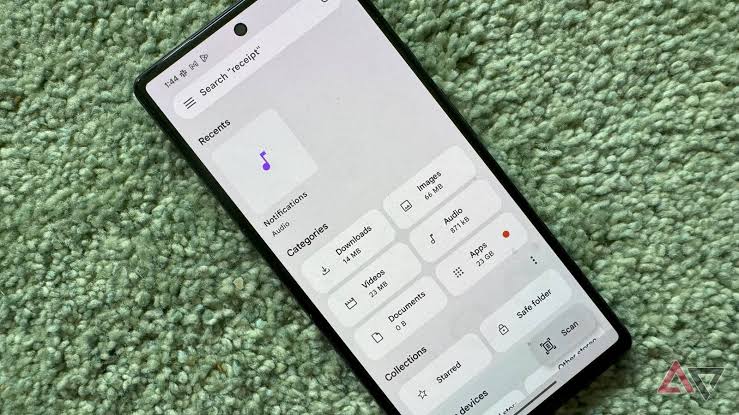
    A solid free APK file manager should open local storage, SD cards, USB OTG drives, and APK packages without making basic tasks feel buried. At minimum, I would expect browse, copy, move, rename, delete, search, share, and archive handling for ZIP files.

    APK handling matters because Android users often store installation packages in Downloads or a backup folder. You should be able to see the file name, size, and location clearly. And the app should not tempt you into thinking a random APK is safe just because it opens it. Installing APKs from outside the Play Store still carries Android security risks, so if you are unsure about a package, consult a security professional or trusted IT support and verify the source first. Google’s guidance on unknown app installs is a good starting point.

    Here is the short version of what matters most:

    • Search speed: if the app cannot find “invoice” or “IMG_2025” quickly, it loses value.
    • Storage access: internal storage and SD card support are standard expectations.
    • Archive support: ZIP is the common baseline; rarer formats are a bonus.
    • USB OTG: useful if you plug in flash drives, card readers, or camera storage.
    • APK visibility: you want a file manager that handles the package file cleanly, even if it does not install it itself.

    The trade-off against the obvious alternative — using the phone’s built-in Files app — is control. Built-in tools are usually safer and simpler, but they may be weak on multi-window work, batch renaming, or deep folder navigation. If you only need to delete a few old screenshots, the default app is enough. If you manage a messy Downloads folder every week, a better file manager saves time. Google says Files by Google has over 5 billion downloads on Android, which shows how common the simpler route is.

    Best free APK file manager apps on Android

    A free APK file manager app works best when it matches your storage habits, Android version, and tolerance for ads. I would sort the free options into three buckets: simple, power-user, and classic.

    Simple and clean
    Files by Google: best for users who want file browsing plus storage cleanup without a steep learning curve.
    Amaze File Manager: a good choice if you want a lighter interface and open-source feel.

    Power-user tools
    X-plore File Manager: strong if you like dual-pane navigation, which is especially useful when copying between internal storage, SD card, and USB.
    Total Commander: practical for batch actions and people who already know the old desktop-style workflow.

    Middle-ground apps
    File Commander: easier for some users to understand at a glance, but the free version may push more prompts than minimalist tools.
    MiXplorer-style alternatives: often praised in Android circles, but availability and packaging can vary, so I would treat these cautiously and verify the current source before installing.

    I would stay cautious with “free APK” download sites that bundle modified apps. The risk is not just malware. Stale code, broken signatures, and odd permission requests show up too — and none of that belongs in a file manager. If an app is supposed to help you manage files, why would it need odd access to contacts, SMS, or unnecessary device admin permissions?

    For many Android phones in 2026, the practical choice is one of the established file managers above, installed from a trusted source. If you rely on APK files because you sideload apps, avoid anything that looks like a repackaged “pro unlocked” version. That is where people get burned. Every time.

    What do free file manager APKs cost in real life?

    A free file manager can still cost you time, storage, battery, and attention, even when the download itself is free. Usually, the biggest real-world cost is friction: ads, upgrade nags, duplicate features, or permission prompts that slow you down every week.

    Here is a practical cost table for common free file manager types:

    File manager type What you get for free Typical real cost in use Who it suits
    Minimal file browser Browse, copy, move, delete, search Low frustration, few extras People who want simple storage work
    Ad-supported free tier Basic file actions plus prompts 1–3 extra taps per task, sometimes more Users who do not mind interruptions
    Dual-pane power tool Faster side-by-side moves and bulk actions Slightly steeper learning curve People moving files often
    Built-in Android Files app Core browsing and cleanup Least setup, fewer advanced tools Casual users and one-off tasks
    Open-source manager Lightweight interface, fewer gimmicks May need manual setup for niche features Users who want control and restraint

    The hidden cost is permissions. A file manager should not ask for more than it needs. On Android 11 and later, storage access is handled more carefully through scoped storage, so some older apps may feel clunky or incomplete. That is not always the app’s fault; it is part of Android’s security model. Google’s storage guidance explains why older broad access no longer works the same way.

    This is where pricing matters indirectly. A free app supported by ads may annoy you more than a one-time purchase app, but I am not inventing a price list here because app pricing changes constantly. If you are deciding today, ask a better question than “free or paid?” Ask this instead: how much interruption am I buying with the free version?

    How Android 11, 12, 13, 14 and 15 change file manager behavior

    Android’s storage rules are tighter now, and that changes which file managers feel useful. On newer Android versions, apps may lose the old broad access they once had, especially around app-private folders and certain restricted directories.

    The practical result is plain: a file manager that felt powerful on Android 9 may feel cramped on Android 14 or 15. If you have a Samsung Galaxy, Pixel, OnePlus, or Motorola phone running a recent Android build, the app must work with scoped storage, not against it. That affects how easily you can reach folders, how archives are handled, and whether the app can browse every corner of the device. Google’s Android storage documentation and privacy changes for Android 11 are the main references here.

    With SD cards, the effect is stronger. Many phones still support microSD storage, but access rules can vary depending on the manufacturer skin and Android version. Samsung’s One UI, for example, often exposes storage more clearly than some heavily customized Android builds, but the file manager still has to follow Android’s permissions.

    What matters most here is not a benchmark score. It is whether the app works inside Android’s storage framework without constant failures. If a file manager claims to “unlock everything,” I would be skeptical. Android limits some access on purpose for privacy and security.

    So I would not pick a file manager just because it has the most buttons. A simpler app that survives Android’s storage rules is often better than a flashy one that falls apart after an OS update. That math stops working fast.

    How do I choose a safe free APK file manager?

    I choose a safe free APK file manager by checking the source, the permission list, the update pattern, and whether the app stays focused on files. That is more reliable than chasing star ratings alone.

    My safety checklist is short:

    1. Install from a trusted source. The Play Store is usually the safest route for most users.
    2. Check permissions. A file manager should need file access and maybe network access for cloud features. It should not need suspicious extras.
    3. Avoid repacked APKs. If a site says “mod,” “premium unlocked,” or “no ads” in a way that ignores the original developer, I would skip it.
    4. Look for recent maintenance. A file manager that has not been updated for years can fail on Android 13 or 14.
    5. Read the app’s actual job. If the app has a cleaner, booster, or battery-saver pitch first and file management second, it is probably not the one I would trust.

    For people in crowded metro areas like Chicago, Dallas, Phoenix, or Los Angeles, one extra habit helps: make sure the app supports offline file operations cleanly. Cell service is not the issue here; a file manager should not depend on a network connection for basic local storage work. That sounds obvious, but some free apps push cloud sign-in hard enough to get in the way.

    The people who should skip free APK managers altogether are those who only need to open one folder occasionally. The built-in Files app or the native file picker may be enough. Also, if you are handling sensitive work documents, a simpler app with fewer ads may be the better choice even if it lacks bells and whistles. Honest trade-off.

    What should I expect on a same-day fix, and when is a file manager enough?

    A file manager is enough when the problem is organization, not device repair, and most folder tasks take 2 to 10 minutes once you know where the files live. If your phone is full, a good app can clear space fast; if the files are missing, it cannot perform magic.

    A few examples make that distinction clearer:

    • If your Downloads folder is stuffed with old APKs and screenshots, a file manager can sort that out in minutes.
    • If Android says storage is corrupted, a file manager may help you back up visible files, but it will not repair a damaged partition.
    • If an APK will not install, the file manager can confirm the file is there, but it cannot make a broken package valid.
    • If you need to move files between internal storage and an SD card, a dual-pane app can save time immediately.

    This is where service-area thinking applies in a practical sense. People in places with heavy commuting and low free time—say, Brooklyn, Queens, Jersey City, or Newark—usually want the fastest route to “find, move, finish.” In suburban areas around Atlanta, Houston, or Seattle, the same app may be used more for home media cleanup and local backups. The app does not change by neighborhood, but the urgency does.

    If you need emergency help because a file is gone, a file manager is not the same thing as data recovery. Once deletion is permanent, the next step may be backup tools or a recovery specialist, not another browsing app. Plain and simple.

    Free APK file managers near me: what should I ask before installing one?

    Ask whether the app supports your Android version, whether it handles SD cards and APKs cleanly, and whether it can do the 3 or 4 tasks you actually repeat every week. That is the only sane filter.

    If you are comparing options on a phone with limited space, ask these exact questions:

    • Can it open ZIP files and APK files?
    • Does it work on Android 12, 13, 14, or 15?
    • Does it support USB OTG if I plug in a flash drive?
    • Does the free version show ads or push upgrades constantly?
    • Can it search by filename fast enough to be useful?

    For readers in larger service areas such as San Diego, Philadelphia, Austin, or Charlotte, “near me” usually means “what works on my exact phone right now,” not a physical storefront. That is why I keep coming back to compatibility and permissions. A file manager is one of those apps where the wrong choice does not just waste time; it can make every future cleanup task more annoying.

    If you want the shortest answer from me: pick a trusted free file manager that is simple first, powerful second, and honest about its limits. Skip modified APKs. Skip apps that hide the file tools under a pile of boosters. And if your real problem is recovery, not browsing, use a recovery specialist instead of expecting a file manager to do a different job.

    FAQ: Best Free APKs for File Manager Apps on Android

    What is the safest free file manager APK for Android?
    The safest choice is usually a trusted app from the Play Store, not a repackaged APK from a download site. Safety depends more on the source and permissions than on the label “free.”

    **Can a

  • APK Version, Compatibility, and Updates: The Complete Guide

    APK Version, Compatibility, and Updates: The Complete Guide

    Last updated: September 10, 2026

    Key Takeaways

    • The label you see on a download page, such as 1.9.0 or 2026.03, is the version name.
    • For example, an app that needs API level 26 will not install on Android 7.0 devices that sit below that threshold.
    • Android uses the package name plus the signing certificate to decide whether one APK can replace another.
    • One more term matters: split APKs .

    APK versioning is what tells you whether an Android app will install, run, and update cleanly on your device. “App not installed,” “parsing error,” and “incompatible with your device” usually point back to the same place: APK version, compatibility, and updates details — the version number, the Android API level, or the signing certificate. For broader Android guidance, see the Android developers versioning docs, the Android app compatibility overview, and the Android package installer behavior.

    Who this applies to, and what you need to know first

    APK version, compatibility, and updates — The Complete Guide

    Direct APK downloads, sideloading, install failures, and Android apps outside the Play Store — this guide is for those cases. In the context of APK version, compatibility, and updates, I am assuming you already know how to find an APK file, move it to a phone, and open it with an installer or file manager. I am also assuming you can tell the difference between an app update and a new app install, because that split matters here.

    This is for people who want to understand version codes, version names, compatibility limits, and update behavior well enough to avoid breaking an install. It is not for someone who wants a shortcut around app signing rules or device protections, because those are not optional. Android checks an app package’s signature, target SDK, minimum SDK, and supported architecture before it lets the install proceed. If those pieces do not line up, the APK may not install at all, or it may install and then crash immediately. For the underlying rules, consult the Android app manifest reference, the Android compatibility definition document, and the package visibility and install documentation.

    A few terms matter from the start:

    • Version name: the human-readable label, like 2.4.1.
    • Version code: the monotonically increasing internal build number Android uses to compare releases. Since Android App Bundles and current Play requirements, this is often represented as versionCode in the app manifest.
    • Minimum SDK (minSdkVersion): the oldest Android API level the app supports.
    • Target SDK (targetSdkVersion): the Android API level the app is built to behave against.
    • ABI: the CPU architecture, such as arm64-v8a, armeabi-v7a, or x86_64.

    On a work phone, a banking app, a device that enforces managed profiles, or a package that installs system-wide, stop before forcing anything. That is where signing, device policy, and OS compatibility can turn a simple sideload into a lockout or a broken app state. For ordinary consumer apps, though, most compatibility checks are something you can understand and verify yourself. If the device is managed or the app is sensitive, it is wise to consult a professional or the app developer before changing anything.

    What APK version numbers actually mean

    The APK version number tells you two different things at once: what the app is called to a person, and what Android thinks is newer. The label you see on a download page, such as 1.9.0 or 2026.03, is the version name. The value Android uses for update logic is the version code. A higher version code is treated as a newer build, even if the version name looks odd or goes backward; if the package is important, consult the developer or a qualified professional before relying on the label alone.

    The other number that matters is the package name, the unique identifier such as com.example.app. Android uses the package name plus the signing certificate to decide whether one APK can replace another, and the Android documentation on signing and updates is the best reference if you need to verify the rule. If the package name matches but the signature does not, the system usually refuses to update the installed app. That is by design. It blocks a stranger from overwriting an app with a forged package; if you are handling a sensitive app, though, check with the developer or a professional instead of guessing.

    A generic article often gets this wrong by treating the version name as if it were the update key. It is not. When I compare two APKs from different sources, I look at three things in order: package name, version code, and signature. The version name comes after that, because it is useful to humans but not decisive to Android. If the app matters to your data or security, consult a professional or the developer before installing anything that does not clearly match.

    One more term matters: split APKs. These are app packages divided by device type, screen density, language, or CPU architecture. Grab only one file from a split package set, and you may end up with something that looks valid but cannot install because the missing splits contain required code or resources. That is one reason a file named base.apk is sometimes not enough by itself.

    The practical rule is simple: if two files have the same package name and signer, the one with the higher version code is the update. If either of those does not match, expect rejection or a separate app install.

    How do I know if an APK is compatible with my phone?

    APK version, compatibility, and updates — The Complete Guide

    An APK is compatible if its Android API range, CPU architecture, screen/resource requirements, and signature all match your device. In APK version, compatibility, and updates work, compatibility is not one checkbox; it is a stack of checks, and the first one that fails will stop the install or the launch.

    Start with the Android version on the device. An app declares a minimum supported API level, and the phone’s OS version must be at least that high. For example, an app that needs API level 26 will not install on Android 7.0 devices that sit below that threshold. That is the clearest gate, and it is the one many people miss because a download page may mention only “Android 8+” without explaining that this means an API level, not a marketing name.

    Then check the CPU architecture. Most modern phones use ARM64 (arm64-v8a), while older 32-bit devices need armeabi-v7a. An app built only for x86 or x86_64 is for emulator environments or a small set of devices, not most consumer Android phones. Wrong architecture? The app may refuse to install, or it may install but fail when native libraries load. Ugly, but common.

    Next check whether the APK is a full package or one piece of a split install. A split APK set may include a base module plus configuration APKs. If the app came from a source that exports split packages, you need the full set or an installer that handles them, such as a split-capable package installer. A lone base.apk may be incomplete.

    Finally, look at the app’s declared features. Some apps require cameras, GPS, Bluetooth LE, Android TV features, or a specific OpenGL ES level. If the app demands hardware your device does not have, the store would normally hide it. A sideloaded APK can bypass that visibility filter, but it does not bypass the actual requirement. The app may install and then fail at runtime.

    I would treat compatibility as a preflight check before every sideload. It takes a few minutes, and it saves the longer failure of uninstalling, clearing residue, and trying to reverse a bad update. If you are unsure, consult the device maker, the app developer, or a professional before continuing.

    The version checks I make before I install anything

    Before I install an APK, I check the package name, signature, version code, Android API levels, CPU architecture, and package format. That order matters because it mirrors the way Android rejects a bad package.

    1. Confirm the package name. Open the APK metadata and verify the identifier, such as com.example.app. Make sure it matches the app you meant to install, not just a similarly named app. A mismatch here means you may be looking at a clone, a fork, or a completely different app. The warning sign is a package name that differs by even one character.
    2. Check the version code, not only the version name. Compare the internal build number, often shown as versionCode in manifests or APK inspectors. It must be higher than the installed build if you want an update. Make sure the version name is not being used as a substitute. A lower version code means Android will refuse to upgrade and may show an “app not installed” message.
    3. Match the signing certificate. Confirm that the app is signed by the same key as the installed app. In Android, the signing certificate is the identity that allows one build to replace another. Make sure the signer fingerprint is unchanged if you are updating an installed package. A changed certificate with the same package name is a red flag unless the app was deliberately re-signed and installed as a different package.
    4. Check minSdkVersion against the device OS. Compare the app’s minimum API level with your Android version. For example, an app requiring API 29 cannot run on a device below Android 10. Make sure the phone’s OS is at or above the minimum. A failure here usually means the app will not install or will crash on launch.
    5. Check targetSdkVersion for behavior changes. Look at the app’s target API level and note that it affects permissions, background activity limits, storage access, and notification behavior. Make sure the app was built against a current Android release or an older one. A very old target SDK can still run, but it may trigger compatibility warnings or stale permission behavior.
    6. Match the CPU architecture. Confirm whether the APK includes arm64-v8a, armeabi-v7a, x86, or x86_64 native libraries. Make sure your device’s processor family is covered. A 64-bit-only app will not help a 32-bit-only device, and a wrong-architecture build can install but fail when a native library loads.
    7. Decide whether you have a single APK or a split package set. If the download includes several APK files, do not treat one file as complete unless the package format says so. Make sure the installer supports split installs or that you have the base APK plus the required configuration splits. Missing splits usually show up as install failure or a launch-time crash with missing resources. If the package is business-critical, consult a professional before installing only part of it.
    8. Check for required device features. Read the manifest or app metadata for camera, GPS, sensor, or hardware feature declarations. Make sure your device actually has those parts if the app uses them at runtime. A missing feature can leave the app installed but unusable in the part the app needs most.

    The useful habit is to stop after any mismatch, not to “try it anyway.” The bad result is often not dramatic; it is a half-working install, a crash loop, or a package that cannot be updated later because you mixed signatures or package formats.

    How do APK updates work after the first install?

    An APK update replaces an installed app only when the package name matches, the signing certificate matches, and the new version code is higher. That is the whole mechanism in plain terms, and most update trouble comes from breaking one of those three rules.

    When you install a newer build over an existing app, Android compares the package identity first. If the package name is different, it is a different app. If the package name is the same but the signing key is different, Android will usually reject the update. If both match, the version code decides whether the new file counts as an upgrade. The version name can say almost anything, but Android does not use it to determine precedence.

    This is why “downgrading” an app is not a normal update path. If the new file has a lower version code, the installer generally blocks it unless you remove the current app first and reinstall. That can be dangerous for apps with local data, accounts, or encrypted state. A downgrade is not a cosmetic rollback; it is a package replacement that may leave data structures out of sync with the older code.

    There is also a difference between updating an app from the Play Store and sideloading an APK. The Play Store tends to handle splits, compatibility, and certificate rotation within its own pipeline. Manual sideloading puts those checks on you. If you install a sideloaded APK on top of a Play Store app, the signature still has to match. If it does not, you may need to uninstall the existing app first, and that often wipes local data unless the app has a backup path.

    An update can fail quietly if the package is already installed under a work profile or a different user profile. Android treats each profile as a separate installation context. The same version may be present in one profile and missing in another, which makes troubleshooting confusing unless you check the profile context.

    The clearest sign of a bad update path is a package that installs only after uninstalling the old one. That often means the signatures do not match, the package name changed, or the split set is incomplete. If you care about app data, that is the point to stop and investigate instead of pressing forward.

    What should I check before I update an APK?

    You should check the current installed version, the new version code, the signer, the package format, and whether the app stores data you cannot afford to lose. Those are the five things that separate a clean update from a broken one.

    First, confirm the installed package details. If you can read the app info, note the installed version name and package name. If you have access to package metadata, confirm the version code too. That gives you a baseline so you can tell whether a file is truly newer. A file with a newer-looking version name is not enough.

    Second, compare the signing certificate. This is the most overlooked step, and it is the one that explains many “update failed” messages. A matching package name with a changed certificate is not a routine update. It is a different signer. Unless you know the developer intentionally rotated keys and the install path supports that transition, assume it will not update in place.

    Third, check whether the update is a full APK or a split package set. If the app originally came from an app bundle split, a single replacement APK may not be sufficient. You may need the base plus the matching splits from the same build. A partial update can install but break language packs, density assets, or native code.

    Fourth, decide whether the app stores state you need to preserve. Messaging apps, authenticator apps, finance apps, and document apps can carry data that is not easy to recover. I would be cautious with any update that requires uninstalling first. Uninstalling is clean for the package manager, but not necessarily for your data.

    Fifth, check release notes when they are available. You do not need a long changelog to know whether an update introduces a new minimum OS level, removes 32-bit support, or changes permissions. If the notes mention a major Android API bump, that often means compatibility expectations changed too.

    A good update is boring: install, open, sign in, and continue with no data loss. If the update path is asking you to uninstall the current app, sidestep that unless you are comfortable losing local state or you have a backup.

    Common APK mistakes and what they cost

    The most common APK mistakes are version confusion, architecture mismatch, signature mismatch, split-package mistakes, and forcing an update over a downgrade path. Each one has a different failure cost, and not all of them fail the same way.

    1. Using version name as if it were version code.
      The consequence is that you may try to “update” with a build Android sees as older or equal. The installer rejects it or leaves the current version in place. The correct alternative is to compare versionCode, not just the label shown to users.

    2. Installing the wrong architecture.
      The consequence is a package that installs but crashes when native code loads, or fails to install at all. The correct alternative is to match arm64-v8a or armeabi-v7a to the device’s CPU family and avoid assuming any APK works on any Android phone.

    3. Ignoring the signing certificate.
      The consequence is update failure, and in some cases a mistaken uninstall of the working app before you realize the new file cannot replace it. The correct alternative is to treat signer mismatch as a hard stop unless you deliberately intend a fresh install.

    4. Downloading only one file from a split APK set.
      The consequence is a package that appears valid but lacks resources or code, leading to installation errors or missing app features. The correct alternative is to install the full set with a split-aware installer or use a package that is explicitly a single, universal APK.

    5. Forcing a downgrade to fix a problem.
      The consequence is data mismatch, broken local storage, or a security hole if the older build is missing fixes the newer build had. The correct alternative is to clear the app data only if you accept the loss, or to look for a properly signed build with a higher version code.

    6. Skipping OS compatibility checks.
      The consequence is an app that installs but cannot run because the device is below the minimum API level or lacks required platform behavior. The correct alternative is to compare minSdkVersion to the device’s Android version before you install.

    The pattern behind these mistakes is simple: people assume Android is forgiving when it is actually strict about identity and build compatibility. It is stricter than casual sideloading culture suggests. For confirmation, check the Android app signing documentation, the [Android compatibility guidance](https://developer.android.com/guide/practices/compatibility

  • What Is an APK File? A Simple Explanation for Android Users

    What Is an APK File? A Simple Explanation for Android Users

    Last updated: September 10, 2026

    Key Takeaways

    • The first three checks can be done by almost anyone in under 2 minutes.
    • A video editor should not be only 3 MB.
    • Verify that the app name matches what you expected.
    • Then compare the file size to what you expect from the app.

    An APK file is Android’s install package — the thing the phone uses to put an app on your device. Downloaded an app outside the Google Play Store? Seen a file ending in .apk? That’s the format. I’ll keep this plain: what it is, what it does, and when opening one is normal versus a bad move.

    Who this is for, and what you already need to know

    What Is an APK File? A Simple Explanation for Android Users

    This question comes up for Android users who want to know why an app won’t install from the Play Store, how sideloading works, or what that .apk attachment means in a downloads folder. An APK file is the Android equivalent of a Windows .exe installer or a Mac .dmg file, but it belongs to Android’s app format. I’m assuming you already know how to open your phone’s file manager, find a downloaded file, and tap an on-screen prompt.

    No professional help is usually needed here, but there are moments when I’d stop cold. Random website? Text from someone you don’t trust? Promises of paid apps for free? That file may be tampered with or malicious. If your phone is managed by an employer, school, or government program, installs may be blocked for policy reasons, and changing that setting could break the rules. And if Android says the app is incompatible, wrong for your CPU architecture, or blocked by device policy, that warning is not something to bulldoze through; it usually means the package is wrong for your phone.

    Think of it this way: APK is the container, not the app itself in the everyday sense. Inside are the code, resources, and metadata Android needs to install the app. Simple enough. The catch is that Android does not install apps from one universal file the way many people expect. Split APKs and app bundles exist now, and that is where a lot of users get tripped up.

    What is inside an APK file?

    An APK file is basically a ZIP-style archive that holds an Android app’s installable pieces. The name stands for Android Package Kit, and the file usually ends in .apk. Inside, Android expects compiled code, images, layout files, certificates, and a manifest file called AndroidManifest.xml, which tells the system the app’s name, permissions, and components.

    That structure explains a lot. It is not “just one file” like a document you open and read. Instead, it is a package that the Android package installer reads, checks, and puts on the device. The manifest tells Android which version this is, the minimum Android version it needs, and whether it wants access to the camera, contacts, or location. The signing certificate tells Android who built it, or at least who signed it. If the signature changes, Android generally treats it as a different app package; if you need a firm answer for a specific case, consult the developer or a mobile professional and check Android’s app-signing documentation. See Google’s app signing overview: https://developer.android.com/studio/publish/app-signing

    Most people do not need to unpack an APK by hand. Honestly, I’d avoid that unless you have a specific reason, because the file is meant to be installed, not browsed like a folder full of images. The practical point is simple: when the install button appears, Android is reading the package as a whole. If any part is malformed, unsigned, or built for the wrong device type, the install fails. No mystery there.

    This is also why APKs attract malware. Because the file is an install package, anything inside it can run with the permissions the user grants after installation. That does not make every APK dangerous, but it does mean the source matters just as much as the file. If the origin is unclear, the format gives you zero safety by itself.

    How does an APK file work on Android?

    What Is an APK File? A Simple Explanation for Android Users

    Here’s the short version: an APK file gives Android everything it needs to install an app in one package, then the system verifies, unpacks, and registers that app. From the user side, the process is straightforward: tap the file, let Android check it, and, if the checks pass, the app gets installed. The exact flow varies by Android version, but the logic is the same on a Pixel, Samsung, Motorola, or other Android device.

    The basic sequence looks like this:

    1. Download or receive the APK. Save the file to local storage, usually the Downloads folder, and verify that the filename ends in .apk. If the file is only a few kilobytes for an app that should be tens of megabytes, something is off; that often means a broken download or a webpage shortcut instead of the real package.
    2. Check the source. Look at where it came from and whether the publisher is the one you expected. A package from the official developer site or a known app repository is one thing; a file from an unfamiliar forum post is another. If the source is unclear, stop there.
    3. Open the file with the Android package installer. Tap the APK in your file manager or downloads screen. On modern Android, you may see a prompt to allow installs from that app, such as Files or Chrome. If the system offers a warning about unknown apps, that is the moment you decide whether to continue.
    4. Review the install prompt. Android will usually show the app name, a few permissions, and the install button. Verify that the app name matches what you expected. If the name is wrong, scrambled, or looks suspiciously generic, that is a red flag.
    5. Allow the needed permission for this source only if you trust it. On Android 8.0 and later, the permission is granted per app source, not globally. If you need to install from a browser or file manager, give that source permission only when necessary. If you cannot see why the file manager is asking, something is off.
    6. Complete the install and wait for Android to register the app. On most devices this usually takes seconds, and large apps or low storage can take longer; if it stalls, fails, or loops back to the same screen, you may be out of space or the APK may be incompatible with your Android version or CPU architecture. The package installer documentation explains these checks: https://developer.android.com/guide/topics/manifest/manifest-intro
    7. Confirm the app appears in your app list and opens normally. A successful install means the app icon shows up and launches. If it installs but crashes immediately, the APK may be for a different Android version, missing required split files, or built for a device type your phone does not support.

    These details matter because people use “APK file” loosely for Android install files, and that is not always accurate. A single APK can work on its own for some apps, yet many modern apps are delivered as split APKs or app bundles, which are divided into multiple packages. Grab only one piece of a split install set, and the install may fail or the app may open incomplete. Like trying to eat soup with a fork. Not great.

    A good result is almost dull: the app installs without warnings beyond the usual permission screen, appears in your app drawer, and launches without missing screens or forced crashes. A bad result is just as plain: the install fails with a package parsing error, a compatibility message, or a warning that the app cannot be installed on your device.

    Why do people use APK files instead of the Play Store?

    People use APK files when they need an app outside the Play Store, and that usually means one of four things: the app is not available in their country, the developer offers a direct download, the user wants an older version, or the device cannot access Google services. I’d treat “outside the Play Store” as a trade-off, not a free win; if the choice affects security, updates, or device policy, consult the developer or a mobile professional and verify the source first. Google Play Protect is part of that trust chain: https://support.google.com/googleplay/answer/2812853

    The upside is flexibility. An APK can let you install a beta build, a region-specific app, or a version that your device otherwise cannot find. That can be useful on tablets, older phones, or devices without Play Store access. The downside is that you lose some of the friction the Play Store adds on purpose: automatic scanning, easier updates, and a more consistent trust chain tied to Google Play Protect.

    This is where a lot of explanations go sideways. They either treat APKs as shady by default, or pretend sideloading is completely harmless. Neither take feels honest. An APK is just a file format. The risk comes from where it came from, whether it is signed correctly, and whether the build matches your phone.

    There is also a maintenance cost. If you install an app manually, you usually have to update it manually too unless the source has its own updater. That means more chances to miss security fixes. If the app stores sensitive data, that matters. For a flashlight app, the risk may be minor. For a banking, messaging, or password-related app, I’d be much more careful.

    What should I check before opening an APK?

    The checklist is simple: check the source, the file name, the size, the app’s signature if you have the tools, and whether your device actually needs sideloading at all. The first three checks can be done by almost anyone in under 2 minutes. The signature check is more technical, but it is the strongest clue that the file is genuine.

    Start with the source. If the APK came from the app developer’s own site, a known repository, or a package manager with a clear reputation, that is better than a random mirror. Next, inspect the filename. A good filename often includes the app name, version, and device or architecture marker such as arm64-v8a or universal. If the file name is vague, like update_new.apk, that is not proof of danger, but it is a weak sign.

    Then compare the file size to what you expect from the app. A calculator app should not be hundreds of megabytes. A video editor should not be only 3 MB. Size alone does not prove anything, but it catches obvious problems. If the download finished suspiciously fast for a large file, I’d suspect a bad link or a cached error page renamed as an APK.

    If you are more technical, the signature matters. Android uses app signing to prove that updates come from the same developer. If the signature does not match, Android will refuse to update an existing app. That is protection, not a nuisance. It stops one app from pretending to be another, though exact behavior can vary by Android version and install path, so consult the developer or a mobile professional if the update is important.

    Before opening one, I think people should ask a blunt question: do I need this file, or am I just avoiding the Play Store out of habit? If the app is already in the Play Store and there is no reason to sideload it, the store version is usually the cleaner path.

    When should you stop and not install it?

    Stop when the file looks wrong, the source is weak, the device warns that it cannot verify the app, or the install request does not match what you expected. These are the moments when APKs stop being convenient and start being a headache.

    The app name or publisher looks wrong: This may mean a repackaged app or a fake installer — Do not continue, and find the official source instead.

    The file comes from a message, forum post, or ad you do not trust: The risk of tampering is real — Delete it and download only from a source you can verify.

    Android says the app is incompatible with your device or Android version: The APK was built for a different environment — Do not try to force it; look for a version that matches your phone, or use a different app.

    The install only works after you grant broad permissions that do not make sense: The source app is asking for more access than it needs — Stop and reconsider, because the problem may be the file, not your settings.

    The file is supposed to be an update, but Android says it cannot install over the existing app: The signing certificate or package name does not match, or the package was built for a different install track — Treat that as a warning, not a hurdle to bypass, and consult the developer or a mobile professional if the update matters.

    The APK came from an unknown “mod,” “cracked,” or “premium unlocked” source: Those are common places for altered packages — Avoid installing it, because the file may contain hidden code or broken functionality.

    If an APK looks risky, the cautious path is usually the right one for ordinary consumers. If it feels like a workaround for a problem you do not fully understand, stop. Curiosity can cost you a compromised phone, a broken app install, or a long cleanup. Ugly outcome. Easily avoidable.

    The mistakes people make with APK files

    Knowing what an APK file is also means knowing the mistakes people make with APK files. The biggest one is treating any APK as safe if it installs. Installation success does not equal trustworthiness. An app can install perfectly and still be a bad idea, because the danger may show up only after it runs and asks for permissions; if you are unsure, consult the developer or a mobile professional and compare it with Google’s guidance on harmful apps: https://support.google.com/googleplay/answer/2812853

    Another slip-up is mixing up APKs with app bundles. Google Play often serves apps in split form behind the scenes, and some websites package multiple files or a special installer to recreate that behavior. Download only one piece, and the app may fail to open or miss features. The right move is to get the full package or follow the source’s installer instructions exactly as given.

    A third mistake is ignoring architecture. Android devices commonly use ARM64 these days, but some older phones still differ, and x86 devices exist in niche cases. If the APK says it is for arm64-v8a and your device does not support that build, the install will fail. The fix is not to “try harder”; it is to use the correct build.

    A fourth mistake is turning on install permission for every app source and leaving it that way. On Android 8.0 and later, permission is granted to specific apps like Chrome or Files. If you enable it casually and forget it, you widen the path for risky downloads. My advice: allow it only for the source you need, only while you need it.

    A fifth mistake is assuming older versions are automatically safer or lighter. Sometimes an older APK is exactly what you need for a legacy device, but sometimes it lacks security fixes or server compatibility. If an app connects to online services, an old build may stop working or expose you to known bugs. That trade-off is real, and there is no universal answer.

    What if the APK is a split file or won’t install normally?

    A split APK or app bundle needs more than one file, so a single APK may not be enough. If you downloaded only one package from a set, Android may refuse to install it or may install only part of the app. That happens a lot with apps distributed outside the Play Store, especially when the developer wants to keep the install size smaller or support multiple device types.

    In practice, that can mean you need an installer app, a full bundle, or a source page that explains exactly which files belong together. If the download came from the developer, check whether the page mentions split APKs, APKM, XAPK, or app bundles. If it came from a third-party site, be careful: mismatched parts can produce confusing errors that look like corruption even when the real problem is incomplete files.

    If Android says the package cannot be parsed, a few usual causes show up again and again: the file is damaged, the signature is wrong, the package is not meant for your Android version, or the app is split and missing companions. A quick re-download sometimes fixes a bad file. If it does not, the source may simply be wrong for your device.

    For most users, the cleanest answer is to use the app’s official install method. If that is a direct APK, follow the instructions exactly. If it is the Play Store, that is usually simpler. And if it is a split package and you are unsure how to handle it, stop and verify the instructions before you continue.

    Quick answer: should you trust an APK file?

    Trust an APK file only when you know where it came from, why you need it, and that it matches your device. APK files are normal on Android, but they are not neutral. They are executable install packages, so they deserve the same caution you would give any software installer.

    If the file is from the official developer, matches the app you expected, and installs cleanly, it is probably fine. If it came from an unknown source, asks for odd permissions, or does not match your device, the safest move is to stop. The short answer to what an APK file is: Android’s app installer. Treat it like software, not like a harmless document.

  • How to Check APK Compatibility with Your Android Version

    How to Check APK Compatibility with Your Android Version

    Last updated: September 10, 2026

    Key Takeaways

    • If an APK lists a minimum SDK of 26, it is written for Android 8.0 Oreo or later.
    • If you already have the file and the device in hand, the basic compatibility check can take only a few minutes.
    • If the app demands API 31 and your phone is API 30, that is a hard mismatch.
    • Android 8.1 is API 27, Android 10 is API 29, Android 12 is API 31, and Android 14 is API 34.

    A minimum SDK of 26 means Android 8.0 Oreo or later. Simple as that. And yes, a file can look fine and still fail.

    If you are learning how to check APK compatibility with your Android version, the real question is blunt: will this APK run on your phone right now? When it asks for a newer Android build than the one on your device, the install will usually fail — or the app may limp along and crash after launch. I compare three things: the app’s required Android version, your device’s Android version, and any device-specific limits such as CPU architecture or screen features. That triad tells the story.

    Who this is for — and who should do something else

    How to Check APK Compatibility with Your Android Version

    This applies to anyone sideloading an Android app from an APK file instead of installing it from Google Play. I’m assuming you already have the APK file, know your phone’s Android version, and can open Settings on your device. I’m also assuming you want a practical answer, not a theory lesson: can this APK run here, or is it a waste of time?

    Asking only, “Is this Android 13 or Android 14?” is too narrow. APK compatibility depends on more than the operating system number. The app may require a minimum SDK level, a particular processor architecture like ARM64, or a feature your device lacks. That is why an APK can look fine on paper and still fail at install time. Paper lies. Hardware doesn’t.

    This is the wrong task if you are trying to install an app on a Chromebook, Android TV, a Wear OS watch, or an old device with custom firmware and no clear version info. Those cases need extra checks because the app may be built for a different form factor or a different package format. A generic compatibility check can miss that.

    If the APK is from an unknown source, compatibility is only half the problem. A file can be technically compatible and still be a bad idea to install. I’m not telling you to trust a file just because it matches your Android version. I am telling you how to tell whether the file and the device speak the same language.

    What does “compatible” actually mean for an APK?

    Compatible means the app’s declared requirements fit inside your device’s limits, not merely that the file opens. The key term is minimum SDK version: the lowest Android API level the app can run on. Android versions map to API levels, so this is the real compatibility gate, not the marketing name alone.

    If an APK lists a minimum SDK of 26, it is written for Android 8.0 Oreo or later. On Android 7.1, the package manager should reject it. On Android 9, the install may go through even if the app later acts badly because it also expects newer libraries or hardware. Sneaky little problem.

    There are a few other terms worth knowing. Target SDK is the Android version the app was built and tested against, which affects behavior but does not usually block installation. ABI stands for application binary interface; in plain terms, it is the CPU type the native code was compiled for, such as arm64-v8a, armeabi-v7a, or x86. A mismatch there can stop the app from running even when the Android version matches.

    I would split APK compatibility into three checks: version, architecture, and features. Version is the easy part. Architecture is common on older or unusual devices. Feature requirements are the hidden one; an app that expects GPS, telephony, Bluetooth LE, or a specific camera API may install but still fail at launch or stay crippled.

    A generic “should work on Android 10+” claim is not enough. I would not trust it without looking at the APK’s manifest or a trusted app listing that shows the exact minimum SDK and architecture. That is the difference between a likely install and an empty gamble.

    How do I check an APK before I install it?

    How to Check APK Compatibility with Your Android Version

    Check the APK’s declared requirements against your phone’s version, CPU type, and hardware features — in that order. If you already have the file and the device in hand, the basic compatibility check can take only a few minutes.

    1. Find your Android version: Open Settings > About phone or Settings > About device and note the Android version number and, if shown, the API level. Verify that the version is exact, such as Android 12 or Android 14. A problem sign is a vague answer like “latest software” or “custom ROM” without a clear version.
    2. Inspect the APK source for requirements: Look for the app’s listed minimum Android version, often shown as “Requires Android 8.0 and up” or “minSdkVersion 26.” Verify that the listing names a real version, not just “varies by device.” A problem sign is no version requirement at all, because that hides the one field you need most.
    3. Check the package architecture: Look for `arm64-v8a`, `armeabi-v7a`, `x86`, or an app marked “universal.” Verify that your device’s CPU family matches the APK’s native libraries. A problem sign is an x86-only build on a typical ARM phone, or an ARM64-only build on a very old 32-bit device.
    4. Confirm your device is 32-bit or 64-bit if needed: Use your device specs or a system-info app to see whether the OS and CPU are 64-bit capable. Verify whether the APK includes 64-bit code only. A problem sign is a 64-bit-only APK on a 32-bit Android install; the package may show an “app not installed” error.
    5. Look at the app’s feature requirements: Check whether the APK depends on telephony, GPS, NFC, Bluetooth LE, camera, or Google Play services. Verify that your device actually has the needed hardware and services. A problem sign is an app built for a phone trying to run on a Wi‑Fi tablet or a device without Google services.
    6. Compare the signature and install source: If you are updating an existing app, verify that the APK is signed with the same certificate as the installed version. A mismatched signature means Android will reject the update even if the version number is fine. If you are dealing with an installed app that was signed differently, consult the app developer or a qualified technician; Android treats it as a different app identity, and the official Android app signing documentation explains why this can block the update.
    7. Check split APK or bundle format: If the download came as multiple files or an `.apks`/`.xapk` package, verify that it matches your install method. A single APK can install directly; split packages often need a companion installer. The problem sign is trying to tap only one split file and expecting it to work alone.
    8. Read the app’s permissions and dependencies: Verify that the permissions make sense for the device and use case, and that the app does not require an API introduced after your Android version. A problem sign is an app built for Android 13 requesting behavior your Android 10 device simply does not support.

    The exact menu labels vary by manufacturer, but the logic does not. Version first, architecture second, features third. If any of those fail, stop. Do not try to force an install just because the file extension says .apk.

    Can I tell compatibility without installing the app?

    Yes. Usually, the metadata gives enough away to avoid most bad installs. The cleanest check is to inspect the manifest, which is the app’s declaration of what it needs. Tools such as APK analyzer utilities expose fields like minSdkVersion, targetSdkVersion, package name, and native libraries. You do not need to decode the whole file; you need the requirements section.

    A practical shortcut is to look at the app listing that produced the APK, if you trust the source. Many reputable listings show a minimum Android version and architecture tags. Those two lines often answer the question before you touch the installer. I would still confirm the device version in Settings, because a memory-based guess is where people get burned.

    For a more exact check, compare the APK’s minSdkVersion to your device’s API level. Android 8.1 is API 27, Android 10 is API 29, Android 12 is API 31, and Android 14 is API 34. The version name matters less than the API level because the package manager checks API behavior. If the app demands API 31 and your phone is API 30, that is a hard mismatch.

    I also pay attention to split APKs. A single .apk file can hide the fact that the app was originally built as an App Bundle, which gets delivered in pieces. That matters because the base APK may be only part of the story. If the download includes configuration splits for language, screen density, or CPU architecture, your install tool must support them.

    What this does not tell you is whether the app will behave well after installation. An app may pass the version check and still fail because the developer stopped supporting older WebView, specific Google Play services versions, or vendor-specific camera behavior. That part rarely shows up in a badge. It bites later.

    When should you stop and not try to force it?

    Stop when the mismatch is structural, because forcing the install usually wastes time and can leave you with a broken app. These are the cases where I would not keep poking at it:

    Your Android version is below the APK’s minimum SDK: The app was built for a newer Android API than your phone supports — Do not try to bypass the check; find an older app build or move to a device on a supported version.

    The APK is for the wrong CPU architecture: The file contains native code for ARM64, x86, or another ABI your device does not use — Use a build that matches your ABI or a universal package, if one exists.

    You are updating an installed app with a differently signed APK: Android treats it as a different app identity — Uninstall the old app first only if you can afford to lose its data, or get the correctly signed update. For guidance, see the Android Developers documentation on app signing: https://developer.android.com/studio/publish/app-signing

    The app requires Google Play services and your device does not have them: The app may install but fail at login, maps, push alerts, or purchases — Use a device with the expected Google components or choose a version that does not depend on them.

    The package is a split APK set and you only have one file: The app is incomplete by itself — Get the full set or an installer that handles the splits.

    The device lacks a required hardware feature: For example, the app expects NFC, GPS, telephony, or a camera level your tablet does not have — Pick another app, because no version check can create missing hardware.

    The result is the same in every one of these cases: an install failure, a crash on launch, or a half-working app that wastes your time. The wrong move is to keep trying random installers or older Android compatibility modes. Android is strict about package identity and binary compatibility for a reason.

    The mistakes people make most often

    The most common mistake is checking only the Android version number and nothing else. That leads to installs that fail on architecture or feature requirements. The correct alternative is to compare version, ABI, and hardware together.

    Another mistake is assuming “Android 12 compatible” means “works on any Android 12 device.” Too broad. OEM skins, missing Google services, and tablet form factors can change behavior. The better move is to look for specific device support notes, not a general marketing line.

    People also confuse target SDK with minimum SDK. Target SDK tells you what the developer aimed at; minimum SDK tells you what the app can actually run on. If you read the wrong field, you may think an app supports Android 8 when it really needs Android 11. The fix is to find minSdkVersion or the “Requires Android” line.

    A fourth mistake is ignoring split APK packaging. Tapping one file from a multi-part package often gives a useless install error. The correct alternative is to use the full package set or a proper split installer.

    A fifth mistake is forcing an update over an older app with a different signature. Android blocks that, and it should. The right path is either the matching-signed update or a clean uninstall if you are willing to lose the app’s stored data.

    A sixth mistake is treating a successful install as proof of compatibility. An app can open once and still fail on the next screen because it needs a newer WebView, a backend service, or a hardware sensor. If the app crashes immediately after launch, the version check was only the first filter, not the finish line. If you are not sure whether the app is safe to keep troubleshooting, consult the developer or a qualified technician and check the official Android guidance on app compatibility and behavior changes.

    What about tablets, custom ROMs, and old phones?

    Those cases need extra care because the Android version alone tells you less than you think. Tablets often lack telephony, compass sensors, or Play services assumptions that phone apps quietly depend on. An app built for a handset may install on a tablet and still show missing buttons or blank screens.

    Custom ROMs can make the compatibility picture murkier. A device on Android 13 from a community build may report the right API level but miss vendor libraries or certified Google components. If an app depends on SafetyNet-style device checks, payment flows, or DRM-related components, the APK can be technically compatible and still refuse to run. Not a version problem. A systems problem.

    Old phones raise a different issue: the app store may no longer offer older builds, but the APK you found elsewhere may still require a newer API than the device can support. A common example is a phone stuck on Android 7 or 8 trying to run a current app that needs API 29 or higher. The check is the same, but the consequence is stricter: there may simply be no workable version.

    If you are dealing with an Android Go device, a 32-bit system, or a phone with very little storage, the app may meet the formal compatibility check and still be a bad fit. Low storage can break install or updates even when the APK itself is valid. I would keep at least 1 GB free before trying larger apps, because Android needs room for extraction and temporary files.

    A quick final check before you tap Install

    Because APK compatibility is mostly a three-part check, the safest quick check is this: does the APK’s minimum Android version fit your API level, does the architecture match your CPU, and does the device have the hardware or services the app expects? If all three answer yes, the app has a real chance to work. If one answer is no, stop and look for a better build or a different device.

  • How to Update an APK App Without Losing Your Data

    How to Update an APK App Without Losing Your Data

    Last updated: September 10, 2026

    Key Takeaways

    • Back up anything you cannot replace in 5 minutes.
    • Leave at least 500 MB free for small apps, and more for games or media-heavy tools.
    • The whole process usually takes 5 to 15 minutes for a simple app, longer if you need to copy large files or reauthenticate an account.
    • Proceed with Install rather than Uninstall when Android shows an update screen.

    Usually, you can update an APK app without losing your data by installing the new APK over the old one. Three conditions have to line up: the package name stays the same, the app is signed with the same developer key, and the build does not force a data wipe. Simple enough. This guide shows how to update an APK app without losing your data on Android, whether the file comes from a developer site, a backup folder, or another trusted source. By that, I mean the normal sideloading case, not Google Play. The real question is whether your saved logins, local files, game progress, or app settings survive. Cloud sync may already keep some of that off the device. If the app stores files locally, you need to be far more careful. Messy? A little.

    Who this applies to — and what I’m assuming

    How to Update an APK App Without Losing Your Data

    Android users with an APK already installed are the target here, especially if they want a newer APK without wiping local data. I’m assuming you can get to your phone’s file manager, tap an APK to install it, and tell the app itself apart from the file that installs it. I’m also assuming the app is not using a separate cloud account for everything. If it syncs to the developer’s servers, the stakes shift because most of the important stuff may already sit off the device.

    The basic rule is straightforward: when Android treats the new APK as the same app, it normally keeps the app’s data directory. That data sits inside Android’s app sandbox, so you cannot browse it directly without special access. But there’s a catch. An “update” only counts as one if the package name matches and the signing certificate matches. When either piece changes, Android may see a different app or refuse the install. Consult the app developer if you are unsure. Android’s app-signing documentation is clear on this point; in-place updates depend on matching identity and signing.

    This method fits ordinary apps, offline tools, many games, and utility apps. It is not the right move if the APK came from an unknown source, if the app was modified or repackaged, or if the app itself says it will reset data during migration. In those cases, the risk is bigger than losing app data. You could install a tampered build that no longer trusts the same backups, sign-ins, or update path. Ugly stuff.

    What has to match for an APK update to keep your data?

    Android keeps your data only when it accepts the new APK as the same app. Three things decide that: the package name, the signing certificate, and the app’s own storage behavior.

    The package name is the app’s internal ID, such as com.example.app. Change that, and Android sees a different app. Check with the developer before trying to install it over the old one. The signing certificate is the developer key used to sign the APK. If the key changes, Android blocks the update unless the app supports key rotation through Android’s signing schemes. The storage behavior is whether the app keeps data in its normal sandbox or tells you to export and import first. Some apps keep almost everything in the cloud. Others stash databases, caches, and settings locally in files under the app’s private directory.

    Here’s the practical test I use: same developer, same package name, newer version. That usually means you can install over the existing app. But if the APK is a mod, a clone, a “pro” unlocked build, or a repack from a third party, I would assume data loss is possible even when the install itself goes through. A modified APK often changes the signature, and once that happens Android will not treat it as the same app. When in doubt, contact the app’s support channel. That’s the line in the sand.

    One more wrinkle matters. Some apps use external storage for media or project files, not just private internal storage. In those cases, photos, downloads, exports, or offline maps may survive even if the app data gets wiped. But don’t mix up files sitting in Download or another visible folder with the app’s private database. If you care about progress, settings, or in-app purchases, those usually live in private storage, not in a public folder. Different place. Different outcome.

    How do I update an APK app without losing data?

    How to Update an APK App Without Losing Your Data

    Back up what matters first, install the new APK as an overlay, then check whether the app opens with the same account state and settings. The order matters. The whole thing is short, but it is easy to mess up.

    1. Check the app name, package name, and version number. Open the current app info screen and note the installed version, then compare it with the new APK’s version. If you can inspect the APK details, confirm the package name matches exactly. What to verify: the package name is identical and the new version is higher. What indicates a problem: the package name differs, the app icon is different because it is a clone, or the APK is older than what you already have.
    2. Back up anything you cannot replace in 5 minutes. Export save files, chat history, documents, photos, or project files to a second location before you touch the APK. On Android, use the app’s own export function if it has one; otherwise copy visible files to cloud storage or another folder. What to verify: you can open the backup file or see it in the destination folder. What indicates a problem: the app has no export option and the files are hidden in private storage you cannot reach.
    3. Make sure the new APK is from the same developer and matches the app’s signing lineage. If the update came from the developer’s site or a trusted distribution channel, confirm it is intended as an update to the installed app. What to verify: release notes mention an update path, not a replacement build. What indicates a problem: the APK is labeled as a mod, rebuild, or different edition.
    4. Free enough storage for the install and the app’s own migration. Leave at least 500 MB free for small apps, and more for games or media-heavy tools. What to verify: Android reports enough free space before you start. What indicates a problem: the install stalls, the system says storage is full, or the app crashes while unpacking resources.
    5. Install the APK by tapping the file and choosing the existing app when prompted. If Android shows an update screen, proceed with Install rather than Uninstall. What to verify: the prompt names the same app and does not warn that data will be erased. What indicates a problem: Android says “App not installed,” “signature mismatch,” or asks you to uninstall the old app first.
    6. Do not clear app data or cache during the install. Clearing cache is sometimes harmless, but clearing data will usually reset local settings and offline content. What to verify: you have not tapped the storage menu’s Clear Data button. What indicates a problem: you already cleared data and the app opened like a fresh install.
    7. Open the app immediately after installation and compare the state. Check login status, saved items, and the last synced content. What to verify: the app opens with the same account, the same preferences, and the same offline files. What indicates a problem: the app launches to a welcome screen, asks for a new sign-in, or your local content is missing.
    8. Test one feature that depends on old data. Open the most recent save, note, playlist, or project and confirm it loads without corruption. What to verify: the file opens normally and recent changes are present. What indicates a problem: the app opens but the save file errors out, rolls back, or shows missing assets.

    For a simple app, the whole thing usually takes 5 to 15 minutes; larger files or a fresh sign-in can stretch that out. Boring is good here. The app opens, the settings stay put, and no forced setup wizard appears. Bad news usually shows up fast because the app behaves like a clean install or refuses to read the old data.

    What should I check before I tap Install?

    Check whether the new APK is truly an update, whether the app stores your important data locally, and whether you have a backup path if the install fails. That is the practical center of how to update an APK app without losing your data.

    Start with the app’s data model. Apps that sync everything to an account are easier to update, because your device mainly holds a login token and cache. Apps that keep documents, offline maps, game saves, or databases on the device are more fragile. Use the export or backup feature if the app has one. If it does not, treat the update as potentially destructive and keep a copy of anything you can restore. Android’s backup and app-data rules draw a bright line there.

    Next, check the Android version and the APK’s architecture. An APK built for Android 14 may not install cleanly on an older device, and an APK built only for one CPU architecture, such as arm64-v8a, will not help a device that needs a different build. This is not directly about data loss, but failed installs burn time and can leave you mid-repair without the app open. If the APK page lists a minimum Android version, match it against your phone’s version before you begin.

    Then look at split APKs or bundle installer format. Some apps ship as a set of files rather than one APK, and a plain tap-to-install file may not be enough. If the update package is a split set, you need the proper installer that can handle every part together. A generic “APK installer” often falls flat here, and the result is an incomplete app that crashes on launch. A little annoying. Very common, too.

    Finally, look for an explicit warning in the release notes about database changes, migrations, or account re-linking. A major version jump can rewrite local storage. That is not automatically bad, but it is the point where I would want a backup I can actually restore, not just hope for the best.

    When should I stop and not force the update?

    Stop when Android or the APK itself says the update is not a straight replacement. Forcing it is how data gets burned.

    Package name mismatch: the APK is for a different app ID — do not install it over the old app; back up data first and treat it as a separate app or skip it entirely. If you are not sure, ask the app developer.

    Signature mismatch: the signing key changed — Android will usually block the install, and if you sidestep that by uninstalling first, you will likely lose local app data.

    The app demands uninstall first: that means the developer or repackager does not support an in-place upgrade — stop and export anything you can before proceeding.

    The app stores mission-critical local files only: if your saves, projects, or databases are not synced anywhere else, the install is riskier — make a manual backup before trying again.

    Release notes mention a migration or reset: the new version may rewrite the database or clear incompatible settings — confirm you have a backup and expect to reconfigure the app.

    The APK is a mod, cracked build, or repack: those packages often break the original signing chain — do not treat them like a normal update; use the official build instead.

    Ignore those signs, and the outcome is rarely subtle: the app may fail to install, may come up as a fresh copy, or may open with missing data. If the data matters enough that you would be upset to lose it, stop before you click through warnings you do not understand. Hard stop.

    The mistakes people make most often

    The most common mistake is uninstalling the old app first because they think a clean reinstall is safer. It is safer for removing corrupted app files, but it is the worst move if you care about local data. Once the app is uninstalled, Android removes its private data unless the app has a separate backup path. The better move is to install the APK over the existing app and only uninstall if the update is impossible.

    Another mistake is assuming the app’s visible files are the same as its full data. A folder in Downloads or DCIM might hold exports, but it will not hold login tokens, in-app settings, or databases stored in the sandbox. Use the app’s export feature or account sync instead, because that is the part built to survive updates.

    People also ignore version jumps. Moving from version 1.4 to 1.5 is often routine; moving from 1.x to 2.x can change the underlying database schema, which is the structure the app uses to store records. A schema change is not a problem by itself, but it can make old data unreadable if the app’s migration fails. Before a major update, make a backup and read the release notes. Plain and simple.

    A fourth mistake is mixing sources. They install the old app from one place and the update from another that republishes the same app under a different signature. Even when the name looks right, Android sees a different developer key. Stick to the same developer or distribution path.

    A fifth mistake is clearing storage because they are trying to fix a crash during install. Clearing cache may help a stuck installer; clearing data usually erases local state. If you need to troubleshoot, clear cache first, reboot, and try again before touching data.

    What changes when the app is a game, a work tool, or an APK from another source?

    The standard approach changes when the app leans heavily on local data, barely uses an account, or has been repackaged. Games often store save files locally, sometimes in app-private storage and sometimes in a public folder. Work tools may keep files in both places, so you need to protect both the database and the exported documents. A repackaged APK is the sketchiest case, because even if it installs, it may not preserve the original app identity. That part is a minefield.

    For games, I would treat any update that changes the package, the signature, or the save format as high risk. If the game has cloud sync, confirm the sync finished before updating. If it does not, export the save or copy any visible save files before you touch the APK. A bad game update usually shows up as a missing profile, a reset tutorial, or a save that the new version cannot open. Brutal, but true.

    For work apps, the hidden risk is not just the app database but attached files and local drafts. A note app, scanner app, or document editor may keep unsynced drafts on the device. Before updating, make sure those drafts are saved into a visible folder or exported to cloud storage. If the app uses a proprietary format, open one file after the update and confirm it still renders correctly.

    How much does it cost, and what affects the price?

    The APK update itself usually costs nothing if you already have the file, and the main price is time. For a basic app, expect 5 to 15 minutes. For a large game or a tool with media files, budget 15 to 30 minutes so you can back up data, download the APK, and verify the update.

    Several things change the cost in practice. Storage can force you to buy cloud space or clear room on the device. A paid backup app or a PC-based transfer tool may also be worth it if the data matters. If you are updating a work app, the real cost may be the time needed to reauthenticate accounts or rebuild offline files after the install.

    Why it is worth doing

    Keeping the old data is worth the effort because a clean install often costs more in lost time than the update itself. Recreating settings, resyncing libraries, or rebuilding game progress can take longer than the installation. When the app holds notes, documents, or saves, a careful update protects work you may not be able to replace.

    It is also worth doing because a planned update is safer than a rushed one. A backup, a version check, and a quick source check turn a risky sideload into routine maintenance. If you follow the same process each time, you are much less likely to get surprised by a signature mismatch or a storage wipe. So yes, it is worth the trouble.

    Sources

    • Android Developers: App signing
    • Android Developers: Back up user data
    • Google Play Help: Manage apps on your Android device
  • How to Enable Unknown Sources on Android for APK Installation

    How to Enable Unknown Sources on Android for APK Installation

    Last updated: September 10, 2026

    Key Takeaways

    • On many phones, the whole process takes under 3 minutes.
    • I would not spend 15 minutes hunting through menus if the phone is managed by a work profile.
    • A reasonable expectation is that the whole job, including finding the menu, should take 2 to 5 minutes on a phone you know.
    • Open Downloads, tap the APK, and let Android show the installer.

    On modern Android, there usually is not one big master switch anymore. Instead, you give install permission to the app that will open the APK — Chrome, Files, or another file-handling app. That is the practical answer for how enable unknown sources on android apk installation works now, and it solves most blocked installs. Not all. If you are unsure the file is safe, consult a professional or the app publisher before continuing. Google help, Android Developers

    Who this applies to, and what you already need

    How to Enable Unknown Sources on Android for APK Installation

    This is for someone using an Android phone or tablet with a legitimate APK who wants to install it without hitting a permissions wall. For how enable unknown sources on android apk installation, I am assuming you already know where the APK came from, you can unlock the device, and you are comfortable tapping through Settings once or twice.

    I am also assuming this is a consumer Android device running a version close to Android 8.0 or later, where the permission model changed. On older hardware, the wording may still say Unknown sources as a single toggle in Settings > Security. Newer phones usually say Install unknown apps, and the control sits inside the app doing the installing.

    This is not the route to take if the APK came from an untrusted link, a random chat message, or a site that repackages paid apps for free. An APK is just an Android app package, and sideloading means you are bypassing the Play Store’s normal checks. That does not make it wrong, but it does shift more responsibility onto you. If the source is unclear, consult a professional or stick to the publisher’s official download path. Android Developers

    Honestly, I would treat this like a 2-minute settings task, not a scavenger hunt. Still, if the phone is managed or the APK source is uncertain, consult a professional or the device admin before changing permissions. Trying to install a managed work app, a banking app, or anything blocked by device policy? Then the answer may be a company admin, not a settings change.

    How do I enable unknown sources on Android?

    You enable unknown sources on Android for APK installation by allowing the specific app that opens the APK to install other apps, then launching the APK from that app and approving the install. On many phones, the whole process takes under 3 minutes.

    Here is the cleanest order to do it:

    1. Find the app that will open the APK. If you downloaded the file in Chrome, the installer path usually starts there; if the file is in Files, that app may handle it. Verify the APK is visible in your Downloads folder. A problem shows up if you cannot find the file at all, which usually means the download failed or saved somewhere else.
    2. Open the app’s permission page. Go to Settings > Apps > Special app access > Install unknown apps on many Android 8+ devices. Some brands move this under Settings > Security or Apps & notifications. Verify you are looking at a list of apps such as Chrome, Files, Drive, or your file manager. If you only see a broad security page and no app list, you are likely on an older Android version.
    3. Choose the source app. Tap the app that will handle the APK, such as Chrome or Files. Verify the screen says something like Allow from this source or a similar toggle. A problem is tapping the wrong app; then the permission is granted, but nothing changes when you try to install.
    4. Turn on the install permission. Toggle Allow from this source on. On some devices this is a 1-switch change; on others you may get a warning. Verify the toggle turns blue, green, or otherwise active. If it springs back off, device policy, parental controls, or enterprise management may be blocking it.
    5. Return to the APK file and tap it once. Open Downloads, tap the APK, and let Android show the installer. Verify the package name and app icon look like the app you meant to install. A problem appears if the installer asks for a different file type or opens a document viewer; that usually means you did not tap an APK.
    6. Read the installer screen before approving. Android will list permissions the app wants, such as camera, contacts, or storage. Verify the app name, version, and permission list make sense. A red flag is an app asking for unrelated access, such as a flashlight app requesting SMS and call history.
    7. Tap Install and wait for completion. Installation often takes 10–60 seconds for a normal consumer app, longer if the device is low on storage. Verify the screen ends with App installed. If you see App not installed, the file may be corrupted, incompatible, or blocked by the system.
    8. Turn the permission back off if you do not need it again. Go back to the same source app and switch off Allow from this source. Verify the toggle is disabled. The problem with leaving it on is not dramatic by itself, but it expands the number of apps that can prompt installs later.

    The older phrase “unknown sources” is misleading because Android is not asking whether the app is mysterious; it is asking whether you want this specific app to install software outside Google Play. That distinction matters.

    Where do I find the setting on my phone?

    How to Enable Unknown Sources on Android for APK Installation

    Usually, you find it inside the app that downloaded the APK, not in one universal place — and that is the bit most generic guides miss. For how enable unknown sources on android apk installation, the route is often Settings > Apps > Special app access > Install unknown apps on Android 8.0 and later. On Samsung, you may still reach the same control through Settings > Apps > 3-dot menu > Special access > Install unknown apps or a similar path. Pixel devices tend to use cleaner labels and closer-to-stock Android wording.

    Using Chrome, Firefox, or Samsung Internet? Give permission to the browser itself. If the APK sits in a file manager, allow the file manager. And if cloud storage such as Drive delivered it, that app may need permission too. The rule is simple: the app that hands Android the APK needs the right to install it.

    A quick check helps here: tap the APK, and when Android says the app is blocked from installing unknown apps, it usually names the source app in the warning. That is the one to allow. If the warning names Package Installer or Files, the device may be using a system file handler rather than the app you expected. Strange, but common.

    I would not burn 15 minutes wandering through menus if the phone is managed by a work profile. A managed device can hide or override this setting completely. In that case, nothing is “broken”; it is simply restricted by policy.

    What should I check before I install the APK?

    Check the file, the source, and the app signature before you tap Install, because once the package is on the phone, the risky part is already done. An APK is not automatically malicious, but it is executable code, and Android treats it that way. If you are unsure what the file is or who published it, consult a professional before installing it.

    Start with the file name and extension. It should end in .apk. If you see .zip, .pdf, or no extension at all, stop and identify what you actually downloaded. A file can be renamed, so the extension alone is not proof, but it is the first filter.

    Next, look at where it came from. I would trust a developer’s official site more than a reposted link, and I would trust an APK hosted by the app’s own publisher more than a mirror site with ads and “mod” language. If the page pressures you to disable more security settings, that is a bad sign. The safest choice is the publisher’s own site or a source the publisher names.

    Then check the package name if Android shows it. Legitimate apps usually keep a stable package identifier, such as com.example.app style naming. If the package name does not match the app you expected, that is a reason to stop.

    Finally, pay attention to the permissions screen. If a simple utility wants access to contacts, messages, accessibility services, or device admin rights, the request deserves scrutiny. Accessibility access can control large parts of the phone, so I treat it as sensitive; if the request does not make sense, consult a professional or the app publisher before you approve it. Every so often, the installer is the only clear look you get before the app lands on the device.

    A good result looks boring: the file opens, the installer shows the expected app name, the install completes, and the app launches without asking for odd extra permissions right away.

    When should I stop and not install it?

    Stop when the app, the device, or the file does not behave like a normal sideloadable APK, because forcing it usually wastes time or creates avoidable risk.

    The phone is managed by work or school policy: This means a device administrator or MDM profile may block sideloading — Use the approved app source or ask the admin to whitelist the app. Do not keep toggling settings; policy wins.

    The installer says “App not installed” after a 30–60 second wait: This usually means the APK is incompatible, corrupted, or signed differently from an existing app — Download the correct build, match the Android version and CPU architecture, or remove the conflicting app first if you know it is safe to do so.

    The APK asks for accessibility, device admin, or overlay permissions for no clear reason: These permissions can let an app watch taps, display over other apps, or control settings — Stop and verify the publisher. If you cannot explain why those permissions are needed, do not continue.

    The file came from a site that also offers “cracked,” “mod,” or “premium unlocked” versions: That is a common sign of repackaged software — Treat it as unsafe and find the publisher’s own install path instead. If you are unsure, consult a professional before proceeding.

    Android warns that the app was built for an older version or cannot be installed on this device: The package may not support your Android release or chipset — Use a version made for your device, or choose another app. Forcing it will not fix the compatibility gap.

    The APK arrives as a bundle, such as .apks, .xapk, or split packages: A plain tap may not install it the normal way — Use the publisher’s recommended installer format or a compatible package installer. If you do not know what the bundle is, stop and identify it first.

    That is the point where I would pause instead of trying five more workarounds. The bad outcome here is not merely a failed install; it is installing something you do not understand.

    What mistakes do people make most often?

    They usually make the same 5 mistakes, and each one has a predictable cost.

    First, they enable unknown-app installs for the wrong source. The result is a permission that does nothing when they tap the APK, so they think Android is broken. The fix is to grant the exact app that opened the file, not a random one in the list.

    Second, they leave the permission on permanently. That does not guarantee a problem, but it widens the path for future installs from browsers and file managers. My preference is to turn it back off after the install unless you sideload often.

    Third, they confuse APKs with app bundles. A bundle format such as .apks or .xapk may need a special installer, while a single APK can usually be tapped directly. If you use the wrong handler, you get a failed install or a file the system cannot open.

    Fourth, they download from a mirror site because it is faster. The cost is uncertainty about who repackaged the app and whether the file was altered. The correct alternative is the publisher’s official site, F-Droid for open-source apps, or another source the developer explicitly names.

    Fifth, they ignore storage and version mismatches. If the phone has only a few hundred MB free, installs can fail for plain reasons, and if the APK was built for a different Android API level, the package may not fit the device. Check storage first and read the app’s stated Android requirement if it is given.

    Those mistakes are common because the process looks simple. It is simple, but only if you respect the source, the format, and the exact app that is opening the file.

    What changes on older Android versions, Samsung phones, and work devices?

    The setting changes shape, but the logic stays the same: the app that installs the APK must be allowed to do that job. On older Android, often before Android 8.0, you may find a single Unknown sources switch in Settings > Security. That older toggle applies more broadly, so I would be more cautious about leaving it on.

    On Samsung devices, menu labels often differ, and the My Files app may be the main installer path. On Pixels and stock Android, the navigation is usually cleaner, but the app list in Special app access is still the key. If your browser downloaded the APK, the browser—not the phone generally—needs permission.

    On a work profile or enterprise-managed phone, the setting may be hidden, greyed out, or blocked by policy. In that case, sideloading is not a settings problem. The device owner controls it.

    Regional and carrier variations can change the wording enough to confuse people, but they rarely change the basic mechanism. Look for terms like Install unknown apps, Allow from this source, or Special app access. Those are the real landmarks.

    A reasonable expectation is that the whole job, including finding the menu, should take 2 to 5 minutes on a phone you know. If it drags on, the device is probably the odd case, not you.

    What does a successful install look like?

    A successful install looks ordinary: the source app has permission, the APK opens, the installer shows the expected app name, and Android ends with an install confirmation. The app then appears in the app drawer or home screen and opens without another install loop.

    A bad job is easy to spot once you know the signs. The setting stays on when you did not mean it to, the APK refuses to open, the installer names a different app, or Android throws “App not installed” with no obvious reason.