
Last updated: September 10, 2026
Key Takeaways
- On many phones, the whole process takes under 3 minutes.
- I would not spend 15 minutes hunting through menus if the phone is managed by a work profile.
- A reasonable expectation is that the whole job, including finding the menu, should take 2 to 5 minutes on a phone you know.
- Open Downloads, tap the APK, and let Android show the installer.
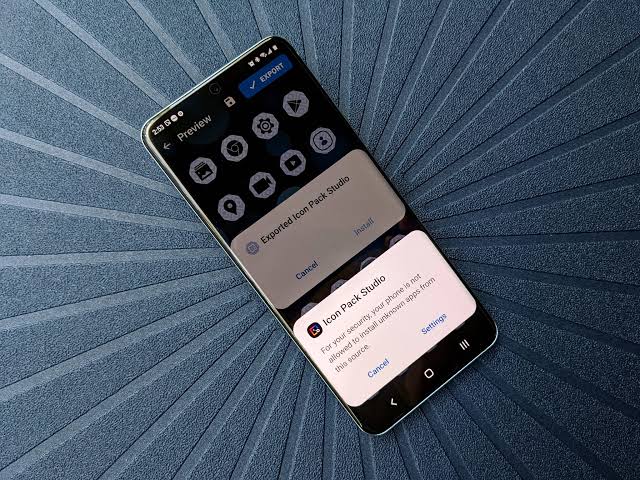
On modern Android, there usually is not one big master switch anymore. Instead, you give install permission to the app that will open the APK — Chrome, Files, or another file-handling app. That is the practical answer for how enable unknown sources on android apk installation works now, and it solves most blocked installs. Not all. If you are unsure the file is safe, consult a professional or the app publisher before continuing. Google help, Android Developers
Who this applies to, and what you already need
This is for someone using an Android phone or tablet with a legitimate APK who wants to install it without hitting a permissions wall. For how enable unknown sources on android apk installation, I am assuming you already know where the APK came from, you can unlock the device, and you are comfortable tapping through Settings once or twice.
I am also assuming this is a consumer Android device running a version close to Android 8.0 or later, where the permission model changed. On older hardware, the wording may still say Unknown sources as a single toggle in Settings > Security. Newer phones usually say Install unknown apps, and the control sits inside the app doing the installing.
This is not the route to take if the APK came from an untrusted link, a random chat message, or a site that repackages paid apps for free. An APK is just an Android app package, and sideloading means you are bypassing the Play Store’s normal checks. That does not make it wrong, but it does shift more responsibility onto you. If the source is unclear, consult a professional or stick to the publisher’s official download path. Android Developers
Honestly, I would treat this like a 2-minute settings task, not a scavenger hunt. Still, if the phone is managed or the APK source is uncertain, consult a professional or the device admin before changing permissions. Trying to install a managed work app, a banking app, or anything blocked by device policy? Then the answer may be a company admin, not a settings change.
How do I enable unknown sources on Android?
You enable unknown sources on Android for APK installation by allowing the specific app that opens the APK to install other apps, then launching the APK from that app and approving the install. On many phones, the whole process takes under 3 minutes.
Here is the cleanest order to do it:
- Find the app that will open the APK. If you downloaded the file in Chrome, the installer path usually starts there; if the file is in Files, that app may handle it. Verify the APK is visible in your Downloads folder. A problem shows up if you cannot find the file at all, which usually means the download failed or saved somewhere else.
- Open the app’s permission page. Go to Settings > Apps > Special app access > Install unknown apps on many Android 8+ devices. Some brands move this under Settings > Security or Apps & notifications. Verify you are looking at a list of apps such as Chrome, Files, Drive, or your file manager. If you only see a broad security page and no app list, you are likely on an older Android version.
- Choose the source app. Tap the app that will handle the APK, such as Chrome or Files. Verify the screen says something like Allow from this source or a similar toggle. A problem is tapping the wrong app; then the permission is granted, but nothing changes when you try to install.
- Turn on the install permission. Toggle Allow from this source on. On some devices this is a 1-switch change; on others you may get a warning. Verify the toggle turns blue, green, or otherwise active. If it springs back off, device policy, parental controls, or enterprise management may be blocking it.
- Return to the APK file and tap it once. Open Downloads, tap the APK, and let Android show the installer. Verify the package name and app icon look like the app you meant to install. A problem appears if the installer asks for a different file type or opens a document viewer; that usually means you did not tap an APK.
- Read the installer screen before approving. Android will list permissions the app wants, such as camera, contacts, or storage. Verify the app name, version, and permission list make sense. A red flag is an app asking for unrelated access, such as a flashlight app requesting SMS and call history.
- Tap Install and wait for completion. Installation often takes 10–60 seconds for a normal consumer app, longer if the device is low on storage. Verify the screen ends with App installed. If you see App not installed, the file may be corrupted, incompatible, or blocked by the system.
- Turn the permission back off if you do not need it again. Go back to the same source app and switch off Allow from this source. Verify the toggle is disabled. The problem with leaving it on is not dramatic by itself, but it expands the number of apps that can prompt installs later.
The older phrase “unknown sources” is misleading because Android is not asking whether the app is mysterious; it is asking whether you want this specific app to install software outside Google Play. That distinction matters.
Where do I find the setting on my phone?
Usually, you find it inside the app that downloaded the APK, not in one universal place — and that is the bit most generic guides miss. For how enable unknown sources on android apk installation, the route is often Settings > Apps > Special app access > Install unknown apps on Android 8.0 and later. On Samsung, you may still reach the same control through Settings > Apps > 3-dot menu > Special access > Install unknown apps or a similar path. Pixel devices tend to use cleaner labels and closer-to-stock Android wording.
Using Chrome, Firefox, or Samsung Internet? Give permission to the browser itself. If the APK sits in a file manager, allow the file manager. And if cloud storage such as Drive delivered it, that app may need permission too. The rule is simple: the app that hands Android the APK needs the right to install it.
A quick check helps here: tap the APK, and when Android says the app is blocked from installing unknown apps, it usually names the source app in the warning. That is the one to allow. If the warning names Package Installer or Files, the device may be using a system file handler rather than the app you expected. Strange, but common.
I would not burn 15 minutes wandering through menus if the phone is managed by a work profile. A managed device can hide or override this setting completely. In that case, nothing is “broken”; it is simply restricted by policy.
What should I check before I install the APK?
Check the file, the source, and the app signature before you tap Install, because once the package is on the phone, the risky part is already done. An APK is not automatically malicious, but it is executable code, and Android treats it that way. If you are unsure what the file is or who published it, consult a professional before installing it.
Start with the file name and extension. It should end in .apk. If you see .zip, .pdf, or no extension at all, stop and identify what you actually downloaded. A file can be renamed, so the extension alone is not proof, but it is the first filter.
Next, look at where it came from. I would trust a developer’s official site more than a reposted link, and I would trust an APK hosted by the app’s own publisher more than a mirror site with ads and “mod” language. If the page pressures you to disable more security settings, that is a bad sign. The safest choice is the publisher’s own site or a source the publisher names.
Then check the package name if Android shows it. Legitimate apps usually keep a stable package identifier, such as com.example.app style naming. If the package name does not match the app you expected, that is a reason to stop.
Finally, pay attention to the permissions screen. If a simple utility wants access to contacts, messages, accessibility services, or device admin rights, the request deserves scrutiny. Accessibility access can control large parts of the phone, so I treat it as sensitive; if the request does not make sense, consult a professional or the app publisher before you approve it. Every so often, the installer is the only clear look you get before the app lands on the device.
A good result looks boring: the file opens, the installer shows the expected app name, the install completes, and the app launches without asking for odd extra permissions right away.
When should I stop and not install it?
Stop when the app, the device, or the file does not behave like a normal sideloadable APK, because forcing it usually wastes time or creates avoidable risk.
The phone is managed by work or school policy: This means a device administrator or MDM profile may block sideloading — Use the approved app source or ask the admin to whitelist the app. Do not keep toggling settings; policy wins.
The installer says “App not installed” after a 30–60 second wait: This usually means the APK is incompatible, corrupted, or signed differently from an existing app — Download the correct build, match the Android version and CPU architecture, or remove the conflicting app first if you know it is safe to do so.
The APK asks for accessibility, device admin, or overlay permissions for no clear reason: These permissions can let an app watch taps, display over other apps, or control settings — Stop and verify the publisher. If you cannot explain why those permissions are needed, do not continue.
The file came from a site that also offers “cracked,” “mod,” or “premium unlocked” versions: That is a common sign of repackaged software — Treat it as unsafe and find the publisher’s own install path instead. If you are unsure, consult a professional before proceeding.
Android warns that the app was built for an older version or cannot be installed on this device: The package may not support your Android release or chipset — Use a version made for your device, or choose another app. Forcing it will not fix the compatibility gap.
The APK arrives as a bundle, such as .apks, .xapk, or split packages: A plain tap may not install it the normal way — Use the publisher’s recommended installer format or a compatible package installer. If you do not know what the bundle is, stop and identify it first.
That is the point where I would pause instead of trying five more workarounds. The bad outcome here is not merely a failed install; it is installing something you do not understand.
What mistakes do people make most often?
They usually make the same 5 mistakes, and each one has a predictable cost.
First, they enable unknown-app installs for the wrong source. The result is a permission that does nothing when they tap the APK, so they think Android is broken. The fix is to grant the exact app that opened the file, not a random one in the list.
Second, they leave the permission on permanently. That does not guarantee a problem, but it widens the path for future installs from browsers and file managers. My preference is to turn it back off after the install unless you sideload often.
Third, they confuse APKs with app bundles. A bundle format such as .apks or .xapk may need a special installer, while a single APK can usually be tapped directly. If you use the wrong handler, you get a failed install or a file the system cannot open.
Fourth, they download from a mirror site because it is faster. The cost is uncertainty about who repackaged the app and whether the file was altered. The correct alternative is the publisher’s official site, F-Droid for open-source apps, or another source the developer explicitly names.
Fifth, they ignore storage and version mismatches. If the phone has only a few hundred MB free, installs can fail for plain reasons, and if the APK was built for a different Android API level, the package may not fit the device. Check storage first and read the app’s stated Android requirement if it is given.
Those mistakes are common because the process looks simple. It is simple, but only if you respect the source, the format, and the exact app that is opening the file.
What changes on older Android versions, Samsung phones, and work devices?
The setting changes shape, but the logic stays the same: the app that installs the APK must be allowed to do that job. On older Android, often before Android 8.0, you may find a single Unknown sources switch in Settings > Security. That older toggle applies more broadly, so I would be more cautious about leaving it on.
On Samsung devices, menu labels often differ, and the My Files app may be the main installer path. On Pixels and stock Android, the navigation is usually cleaner, but the app list in Special app access is still the key. If your browser downloaded the APK, the browser—not the phone generally—needs permission.
On a work profile or enterprise-managed phone, the setting may be hidden, greyed out, or blocked by policy. In that case, sideloading is not a settings problem. The device owner controls it.
Regional and carrier variations can change the wording enough to confuse people, but they rarely change the basic mechanism. Look for terms like Install unknown apps, Allow from this source, or Special app access. Those are the real landmarks.
A reasonable expectation is that the whole job, including finding the menu, should take 2 to 5 minutes on a phone you know. If it drags on, the device is probably the odd case, not you.
What does a successful install look like?
A successful install looks ordinary: the source app has permission, the APK opens, the installer shows the expected app name, and Android ends with an install confirmation. The app then appears in the app drawer or home screen and opens without another install loop.
A bad job is easy to spot once you know the signs. The setting stays on when you did not mean it to, the APK refuses to open, the installer names a different app, or Android throws “App not installed” with no obvious reason.

Leave a Reply